The 60-second version
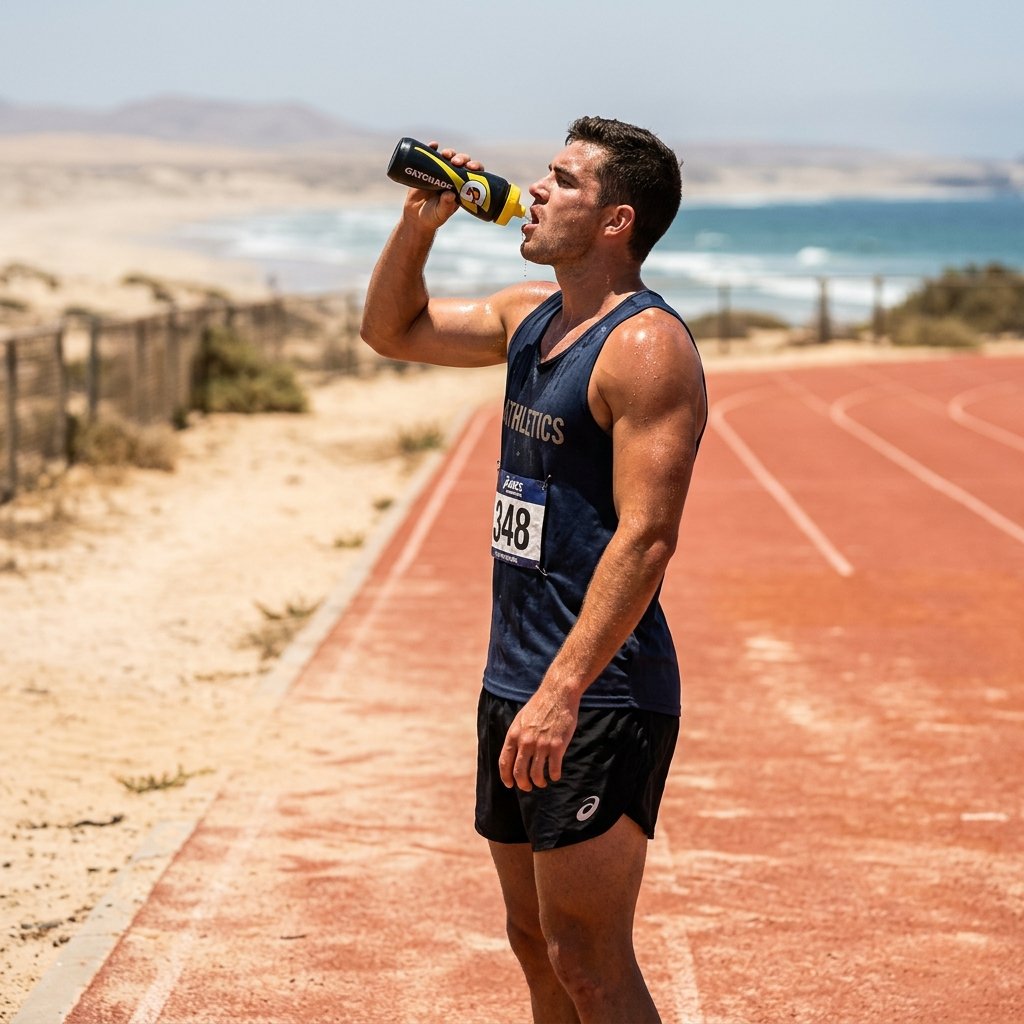
Heat acclimatization is the body’s adaptation to repeated heat exposure: lower core temperature at any given workload, earlier and more efficient sweating, increased plasma volume, reduced perceived exertion. Periard et al. 2015 review and Tyler et al. 2016 meta-analysis converge on the protocol: 5–14 days of repeated heat exposure (90–120 minutes per session at moderate effort in heated conditions) produces the bulk of adaptation; full adaptation completes by 14–21 days. The benefits transfer to both heat performance and (modestly) to performance in cool conditions, making heat acclimatization a tool elite endurance athletes use even for cool-weather races. For Wasaga residents, the practical applications are: preparing for summer races; preparing for travel to hot destinations; building heat tolerance to reduce summer training disruption. The protocol that works without specialty equipment: gradual exposure to outdoor heat in shoulder seasons; use of indoor heat (sauna 25–30 minute sessions) as supplementary; structured progressive exposure rather than “just get out in the sun.” Critical: heat acclimatization carries real risks; hyper-aggressive protocols cause heat illness; gradual progressive exposure is non-negotiable.
What heat acclimatization actually changes physiologically
The body adapts to repeated heat exposure through several mechanisms that compound over 5–21 days:
- Plasma volume expansion: 10–20% increase in plasma volume within 5–7 days. Larger circulating volume supports cardiovascular output during heat stress and improves cooling capacity.
- Sweat rate increase: peak sweat rate can increase 30–50% in fully-acclimatized adults. Earlier sweat onset means cooling begins before core temperature rises significantly.
- Sweat sodium concentration decrease: acclimatized sweat is more dilute (less sodium per litre), preserving body sodium during prolonged heat exposure.
- Reduced core temperature at given workload: same exercise produces lower peak core temperature after acclimatization. The thermal margin before heat illness expands.
- Reduced heart rate at given workload: improved cardiovascular efficiency. Resting and exercising heart rates drop several beats per minute.
- Improved skin blood flow regulation: more efficient peripheral circulation supports cooling without compromising muscle blood flow.
- Reduced perceived exertion: same workload feels easier in heat after acclimatization.
- Heat shock protein expression: cellular-level protective adaptations.
The full constellation of adaptations takes 10–14 days to develop and 14–21 days to complete. Once developed, the adaptations persist for 2–4 weeks after heat exposure ends, then gradually decline over 4–8 weeks of no heat exposure.
Who benefits from heat acclimatization
- Athletes preparing for hot-weather competition: races in summer or in hot climates. The most-studied use case.
- Travelers heading to hot destinations: vacation in tropical climate, work travel to hot region. Pre-trip acclimatization reduces vacation and work-trip performance disruption.
- Wasaga summer residents and visitors: those whose training disrupts in July-August summer heat. Acclimatization extends the heat tolerance window.
- Endurance athletes generally: emerging evidence (Lorenzo et al. 2010) suggests heat acclimatization produces modest performance benefits even in cool-weather conditions, possibly through plasma volume expansion and central cardiovascular adaptations.
- Outdoor workers: construction, landscaping, agriculture — heat acclimatization meaningfully reduces occupational heat illness risk.
- Older adults: aging is associated with declining heat tolerance. Acclimatization protocols (gentler than athlete protocols) extend functional heat tolerance.
Specific acclimatization protocols
The classical 10–14 day athlete protocol
- Days 1–3: 30–45 minutes of moderate-effort exercise in heat (30–38°C). Heart rate stays moderate; finish before heat-illness signs appear.
- Days 4–7: 60–90 minutes of moderate-effort exercise in heat. Higher fluid loss; bigger plasma volume stimulus.
- Days 8–14: 90–120 minutes of moderate-effort exercise in heat. Performance work integrated. Most adaptations consolidated by day 10–14.
- Beyond day 14: maintenance — 2–3 sessions per week of heat exposure to maintain adaptations.
Sauna-based acclimatization (lower friction)
Scoon et al. 2007 demonstrated that post-exercise sauna exposure (30 minutes at 90°C, after a normal training session) produces plasma volume expansion comparable to in-heat training. Practical implementation:
- 3–4 sauna sessions per week for 2–4 weeks post-training
- 20–30 minutes per session at 80–100°C, building tolerance gradually
- Hydration before, during, and after: sauna sessions produce 0.5–1.0 L of fluid loss per 30-minute session
- Pair with normal training: doesn’t replace training, supplements it
Hot bath-based acclimatization (lowest friction)
Zurawlew et al. 2016 demonstrated that hot baths (40°C water, 40 minutes) post-exercise produce similar adaptations. Useful for adults without sauna access:
- 40–42°C water, 30–40 minutes post-training
- 3–4 sessions per week for 2–3 weeks
- Monitor heart rate: stop if heart rate exceeds 130 bpm consistently
Outdoor progressive exposure (Wasaga summer pattern)
For most Wasaga residents who want to extend summer training capacity rather than train for elite competition:
- Spring transition (May): gradual exposure as temperatures rise. 1–2°C-per-week tolerance increase.
- Early summer (June): structured outdoor sessions in 25–28°C conditions. 60–90 minutes 3–4 times per week.
- Peak summer (July-August): maintained exposure at 28–32°C. Acclimatization plateau is reached; maintain through summer.
- Pattern: don’t skip summer training entirely. Adapt the timing (early morning or evening for harder sessions) but maintain consistent heat exposure.
Heat illness prevention
Heat acclimatization is the goal; heat illness is the risk. Recognition and prevention:
The continuum of heat illness
- Heat cramps: muscle cramping due to electrolyte imbalance. Treatable with cooling and electrolyte replenishment.
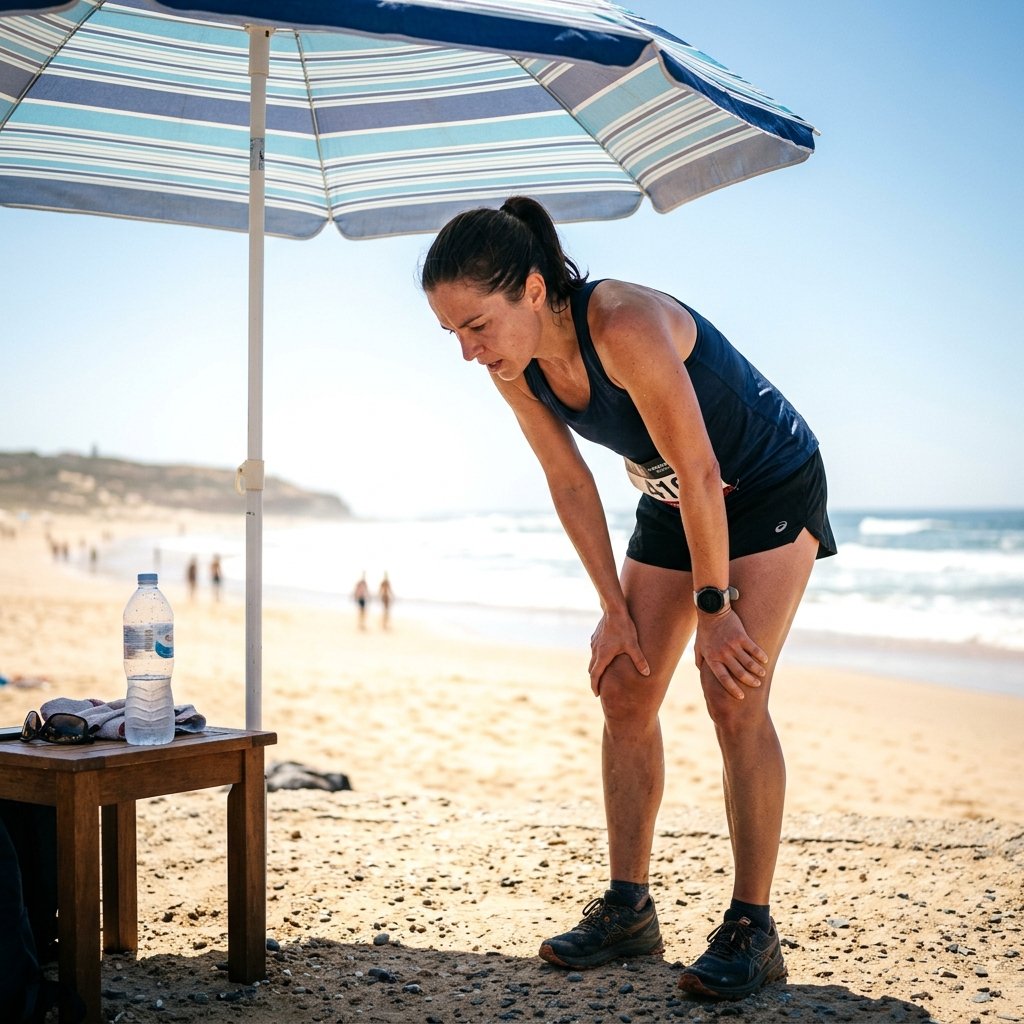
- Heat exhaustion: nausea, headache, dizziness, weakness, profuse sweating. Treat with active cooling and aggressive rehydration; resolves in hours.
- Heat stroke: mental status changes, cessation of sweating, rapidly rising core temperature (>40°C). MEDICAL EMERGENCY. Aggressive cooling (ice, cold water immersion) before transport saves lives. Call 911.
Risk factor reduction
- Hydration: pre-exercise hydration; 500–750 mL per hour during heat exposure
- Electrolytes: 300–700 mg sodium per litre fluid for sessions >60 minutes in heat
- Pacing: don’t push through warning signs (nausea, light-headedness, mental fog)
- Acclimatization: gradual progression as protocol prescribes; don’t skip phases
- Time-of-day: avoid peak heat for highest-stress sessions
- Clothing: light-colored, moisture-wicking, breathable
- Sun protection: shade where possible; sunscreen for prolonged sun exposure
- Recognition of personal limits: individual heat tolerance varies; learn yours and respect it
Special populations needing extra caution
- Older adults: reduced thermoregulatory capacity
- People with cardiovascular conditions
- People on certain medications (diuretics, anticholinergics, certain antidepressants)
- People with prior heat illness (recurrence risk is elevated)
- Children: relatively higher surface-area-to-volume ratio reduces cooling efficiency
- Pregnant women: thermoregulation changes during pregnancy
Maintaining and losing acclimatization
Heat acclimatization is not permanent:
- Maintenance: 2–3 heat exposures per week maintain adaptation
- One week without heat exposure: minimal loss
- Two weeks without heat exposure: 25–50% of adaptations decay
- Four weeks without heat exposure: most adaptations lost
- Re-acclimatization: faster than initial acclimatization (5–7 days vs. 10–14 days), supporting periodic acclimatization cycles
For Wasaga residents, the natural seasonal pattern (gradual heat exposure through May-June, full adaptation through July-August, gradual loss through September-November, no heat exposure December-April) means re-acclimatization happens annually. The May-June ramp-up is the critical window for safe summer training.
Practical logistics and edge cases
Beyond the core protocol:
Hot-water-bottle and hot-shower acclimatization. Lower-stress alternatives to sauna or hot baths. Hot showers (40°C+) for 15–20 minutes after training can produce modest acclimatization stimulus. Less effective than sauna or hot baths but accessible to nearly everyone.
Indoor cycling rooms with heat. Some cycling studios maintain elevated room temperature (28–32°C) during sessions. The cumulative weekly heat exposure can support modest acclimatization. Not as effective as dedicated protocols but additive.
Working out in extra clothing. Wearing additional layers during normal training increases heat stress for the same workload. A modest acclimatization stimulus is achievable; the discomfort is real. Useful for adults without sauna or hot bath access.
Travel timing. If traveling to a hot destination, ideally complete the 14-day acclimatization protocol pre-travel (using sauna or hot baths). For shorter pre-travel windows, even 5–7 days of acclimatization produces meaningful benefit on arrival.
Race-day strategy. If racing in heat, the acclimatization should be complete 7–14 days before race day. Train through the heat in the lead-up; reduce volume and intensity in the final week to allow recovery without losing acclimatization.
Hot flashes and acclimatization. Menopausal women experiencing hot flashes have a different physiological context than purely-exercise-induced heat exposure. Standard acclimatization protocols still work but may need adjustment for symptom management.
Children and acclimatization. Children acclimatize but with different physiology. Pediatric protocols emphasize gradual exposure, frequent breaks, ample fluids, and conservative pacing. Heat illness in kids is more rapidly progressing than in adults; the recognition threshold should be lower.
The body of evidence here also informs adjacent topics: post-workout fueling for cognitive recovery, sleep optimization for next-day attention, and the broader integration of exercise with daily executive-function demands. Each of these connects to its own evidence base; the cross-cutting principle is that movement is one of the most-leverage non-pharmaceutical levers available for cognitive and behavioural function across the lifespan. Adults applying these principles often see effects accumulating over months rather than weeks; consistent practice across years produces compound improvements that single-session interventions cannot match.
Practical takeaways
- 5–14 days of progressive heat exposure produces the bulk of acclimatization; 14–21 days completes it.
- Adaptations: plasma volume expansion (10–20%), sweat rate increase (30–50%), reduced sweat sodium, lower core temp at workload, reduced perceived exertion.
- Sauna or hot-bath protocols work as alternatives to in-heat training; equally effective for the cardiovascular and plasma-volume adaptations.
- Maintenance: 2–3 heat exposures per week sustain adaptation; full loss occurs over 4–8 weeks without exposure.
- Wasaga seasonal pattern: natural acclimatization through May-June; maintained July-August; gradual loss through fall.
- Heat illness prevention is non-negotiable: gradual progression, hydration, electrolytes, recognition of warning signs.
- Re-acclimatization is faster than initial: 5–7 days vs. 10–14 days, supporting annual cycle.
A note on revisiting this article. The evidence base on this topic continues to evolve. New studies refine our understanding; new comorbidities and contexts get researched. Re-read articles like this one annually as your situation evolves; the underlying principles change slowly but the practical specifics shift more often than most readers expect.
References
Periard et al. 2015Periard JD, Racinais S, Sawka MN. Adaptations and mechanisms of human heat acclimation: applications for competitive athletes and sports. Scand J Med Sci Sports. 2015;25 Suppl 1:20-38. View source →Tyler et al. 2016Tyler CJ, Reeve T, Hodges GJ, Cheung SS. The effects of heat adaptation on physiology, perception and exercise performance in the heat: a meta-analysis. Sports Med. 2016;46(11):1699-1724. View source →Lorenzo et al. 2010Lorenzo S, Halliwill JR, Sawka MN, Minson CT. Heat acclimation improves exercise performance. J Appl Physiol. 2010;109(4):1140-1147. View source →Zurawlew et al. 2016Zurawlew MJ, Walsh NP, Fortes MB, Potter C. Post-exercise hot water immersion induces heat acclimation and improves endurance exercise performance in the heat. Scand J Med Sci Sports. 2016;26(7):745-754. View source →Scoon et al. 2007Scoon GS, Hopkins WG, Mayhew S, Cotter JD. Effect of post-exercise sauna bathing on the endurance performance of competitive male runners. J Sci Med Sport. 2007;10(4):259-262. View source →