The 60-second version
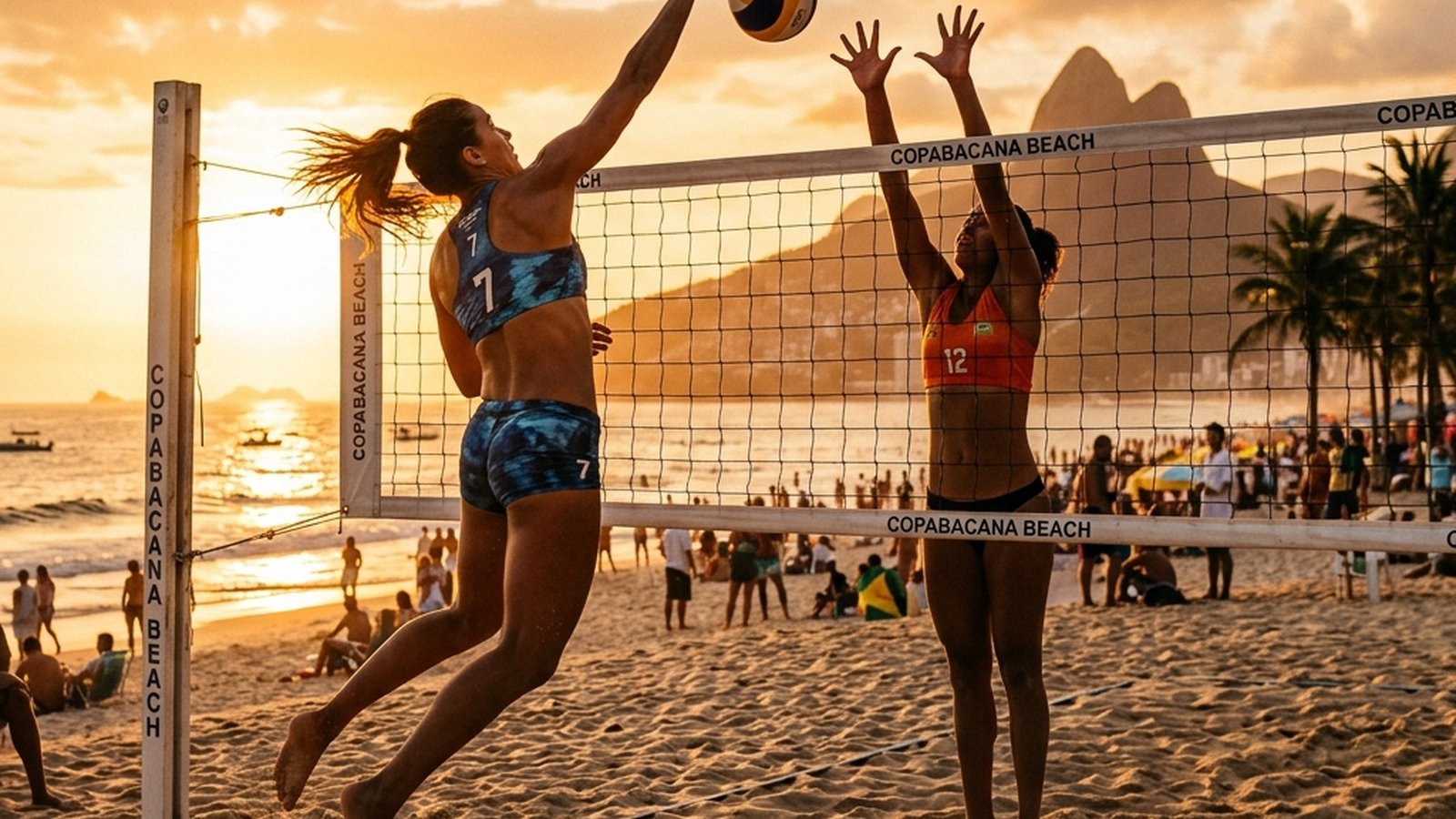
Wasaga Beach’s long, soft, sand-lined shoreline is one of Ontario’s premier beach volleyball venues, and the local volleyball culture has been growing steadily for decades. The combination of accessible permanent and portable courts, an active local league scene, and the steady tourist traffic that fuels pickup play makes Wasaga a beach volleyball destination as much as a sand-and-water beach. The published research on beach volleyball as fitness (Maglischo 2017; Kuipers 2018) consistently identifies it as a high-quality cardiovascular and full-body conditioning sport: heart rates of 150–180 bpm during competitive play, sand-surface adaptation that reduces joint impact while increasing metabolic cost, and the agility-and-reactive demands that few other sports replicate. For Wasaga residents and visitors, beach volleyball provides: daily pickup play in season, structured league competition for committed players, family-friendly recreational play for casual users, and a gateway to a Canada-wide beach volleyball community that includes regional and national tournaments.
Wasaga’s beach volleyball infrastructure
The Wasaga beach volleyball scene operates from multiple venues:
- Municipal beach volleyball courts: the Town of Wasaga Beach maintains permanent net installations at multiple Beach Areas during the summer season. These are first-come, first-served public access courts.
- Portable court setup areas: the wider beach allows temporary court setup for tournaments and league play. Parts of the beach are designated for organised volleyball during specific events.
- Resort and hotel volleyball facilities: some Wasaga accommodations have private volleyball setups for guest use.
- Surrounding-area indoor facilities: Collingwood, Stayner, and Barrie have indoor sand-volleyball facilities for off-season play.
- Tournament venues: regional tournaments rotate through Wasaga and other Georgian Bay beach communities.
The most accessible entry for first-time players: drop in at one of the Beach Area municipal courts during summer afternoons, watch a few games, and ask if you can join the next pickup game. The Wasaga beach volleyball community is generally welcoming to new players who show up consistently.
Why beach volleyball is uniquely good fitness
The published research on beach volleyball physiology shows distinct profile from indoor volleyball:
- Sand surface metabolic cost: 30–50% higher than equivalent movement on firm surfaces. Every direction change, jump, and dive requires more energy.
- Reduced joint impact: sand absorption reduces ground reaction forces by 35–50% compared to indoor court surfaces. Suitable for joint-sensitive players.
- Reactive movement training: continuous reactive movement to ball trajectory; few sports demand this much continuous reactive engagement.
- Multi-planar strength: jumps, dives, lateral movement, rotational hits combine into full-body conditioning.
- Cardiovascular intensity: competitive doubles play produces heart rates of 150–180 bpm; recreational play 130–150 bpm. Comparable to interval-style training.
- Energy expenditure: 400–600 kcal/hour for recreational play; 600–800 kcal/hour for competitive play.
- Cognitive engagement: continuous attention, anticipation, and strategy in a constantly-changing situation. Many players report mental engagement during volleyball that other sports lack.
- Outdoor exposure: outdoor sand volleyball provides UV-mediated vitamin D synthesis, vitamin D-related mood benefits, and the broader outdoor-exercise psychology benefits.
The combined profile is: a sport that delivers cardiovascular conditioning comparable to interval running, with full-body strength stimulus, in a low-joint-impact format, in an outdoor setting, with social-engagement benefits. For adults seeking a balanced recreational sport, the package is unusually complete.
Pickup play protocols
Pickup play is the standard format for casual beach volleyball, and the etiquette is reasonably consistent across venues:
- Show up: arrive at a court area during peak hours (typically 11 AM–4 PM in summer); approach the court and ask if pickup is happening.
- Wait your turn: in busy conditions, expect to wait 1–2 games for your turn. Use the time to watch and learn local rules.
- Honour the rotation: most pickup uses king-of-the-court or rotating-team formats. Learn the local custom.
- Bring own water: sand volleyball is dehydrating; bring a water bottle.
- Sun protection: long sessions in mid-day sun produce serious UV exposure; sunscreen, hat, lightweight UPF clothing.
- Footwear or barefoot: most players go barefoot on hot dry sand; wear sandals or sand-running shoes for transit to and from the court.
- Communicate: call “mine” or “yours” clearly; thank teammates; admit when the ball is in or out.
- Don’t hog the court: limit consecutive games; rotate to new groups when others are waiting.
The Wasaga pickup scene is generally welcoming to new players who show humility, listen to local custom, and demonstrate willingness to learn. Showing up consistently across a season produces friendships and steady playing partners.
Game formats: doubles, fours, and sixes
Beach volleyball is played in several formats:
- Doubles (2 vs 2): the dominant competitive format and Olympic standard. Each player covers half the court; demands serious athleticism and skill.
- Fours (4 vs 4): common in recreational and intermediate league play. More forgiving on coverage; enjoyable for mixed-skill groups.
- Sixes (6 vs 6): less common on beach but used for some social and team-building events. Closer to indoor volleyball geometry.
- Co-ed variations: many league formats specify male-female ratios; common is 2 men/2 women in fours.
For first-time players, doubles is typically the hardest entry point (full court coverage demands fitness and skill). Fours is the recommended introduction for most adults; the larger team allows beginners to contribute while learning.
Local league structure
The Wasaga beach volleyball league scene operates through multiple formats and organisations. Specific league details change yearly; check current options through:
- Local Wasaga Beach volleyball Facebook groups: organisers often coordinate through social media.
- Volleyball Canada and Volleyball Ontario regional: governing-body chapters host tournaments and league directories.
- Beach volleyball Ontario: provincial-level beach volleyball association.
- Local recreational leagues: weekly recreational league play with assigned teams or open-roster formats.
- Tournament series: weekend tournaments through the summer with multiple skill divisions.
League skill levels typically range from beginner-friendly recreational to intermediate competitive to advanced/regional tournament. Most adult players find a level matching their commitment within 1–2 seasons of looking.
Skill development for beginners
For an adult new to beach volleyball:
- Watch first: spend 2–3 sessions watching pickup play before joining. Learn the basic rotations, calls, and informal etiquette.
- Bumping (passing): the foundational skill. Practice with a partner or against a wall; develop consistency before joining games.
- Setting: hands-overhead positioning and finger-tip control. Practice in pairs before applying in games.
- Hitting: the volleyball spike. Develop the timing, jump, and arm swing through practice with partners.
- Serving: underhand and overhand serves. Master at least one before competitive play.
- Game IQ: develop through game-time experience. Watch advanced players; ask questions; learn the strategy.
Progression speed varies by athletic background. Players with prior racquet-sport or court-sport experience often pick up beach volleyball quickly; complete beginners take 3–6 months of regular play to reach competent recreational level.
For accelerated learning, look for beach volleyball clinics offered by local coaches and clubs. Many summer programs offer 4–8 week beginner clinics suitable for adult students.
Conditioning for beach volleyball
Players who want to maintain or improve their beach volleyball fitness benefit from off-court training:
- Plyometric training: jump squats, box jumps, broad jumps. Develops the explosive lower-body power volleyball demands. 1–2 sessions per week.
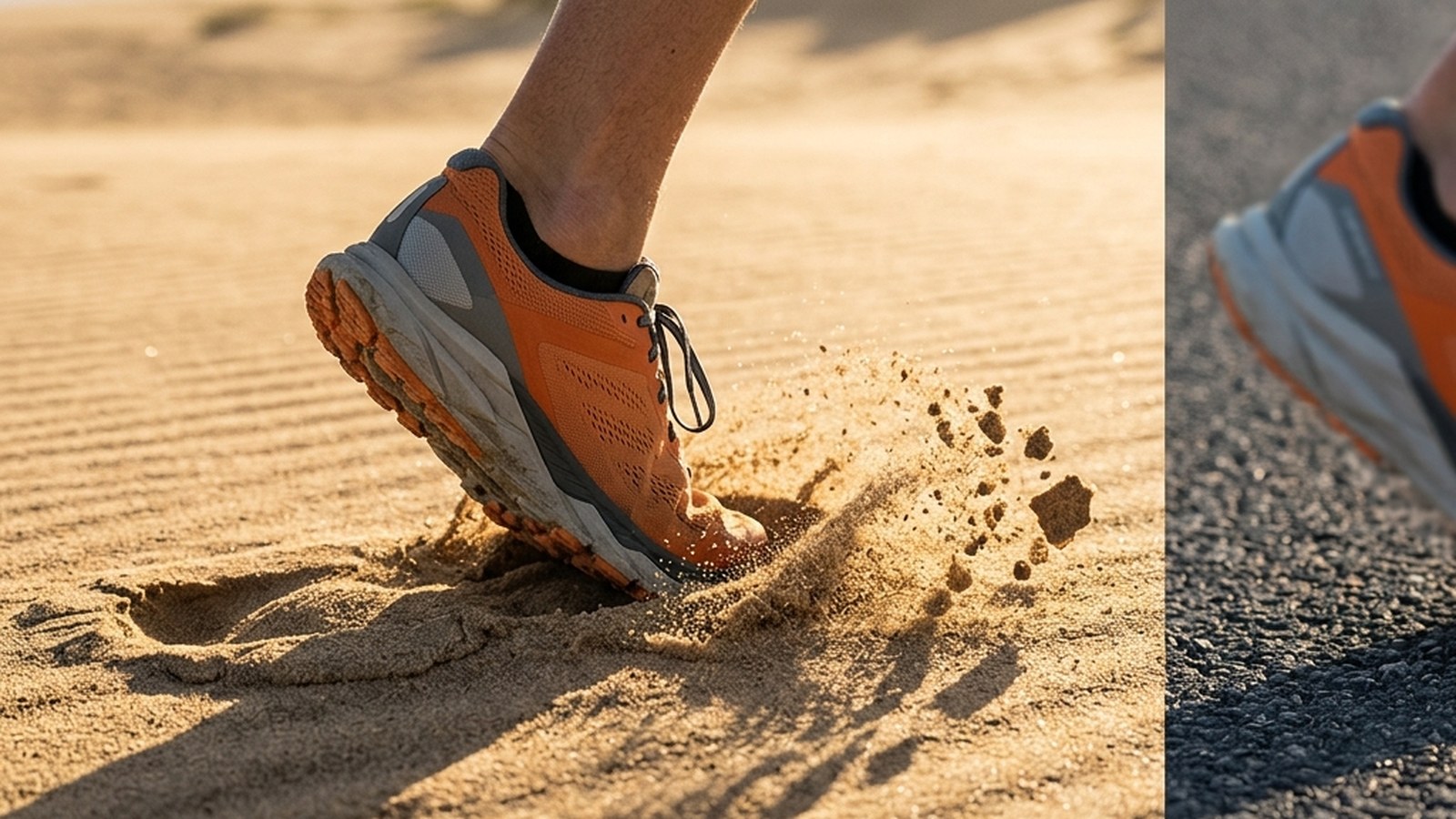
- Sand-running: 1–2 sessions per week of soft-sand running develops the sand-specific conditioning that transfers to volleyball performance.
- Strength training: 2–3 sessions per week of basic strength work (squats, deadlifts, presses, rows). Supports power output and injury resistance.
- Mobility and flexibility: shoulder, hip, and ankle mobility supports the multi-planar movement demands.
- Core training: rotational and anti-rotational core work for the trunk demands of hitting and digging.
- Aerobic base: 1–2 cardio sessions per week support the longer-tournament endurance demands.
The off-court training intensity scales with playing commitment. Casual recreational players may not need explicit conditioning beyond their playing volume; competitive league players benefit from 2–4 weekly off-court sessions.
Injury prevention
Beach volleyball produces specific injury patterns that warrant attention:
- Shoulder issues: the overhead hitting and serving load the rotator cuff repeatedly. Build shoulder strength with bands and free weights; avoid overuse.
- Knee strain: repeated jumping and landing produces stress; sand cushioning helps but doesn’t eliminate. Strengthen quadriceps and hamstrings.
- Ankle sprains: the soft-sand surface allows the foot to move during landing; ankle mobility and proprioceptive training help.
- Lower back: the rotational forces from hitting load the lumbar spine. Core training and movement quality reduce risk.
- Sun-related issues: heat exhaustion and skin damage are common. Sunscreen, hydration, breaks; learn to recognise heat illness early.
- Falls and dives: the diving plays produce occasional impact injuries. Learn safe diving technique; don’t dive when you can’t safely receive the impact.
- Eye injuries: sand and ball impact can cause eye injuries; sport sunglasses provide modest protection.
The general injury-prevention pattern: warm up properly, build strength and mobility off-court, manage fatigue, recognise overuse symptoms early, and respect sun and heat conditions.
The volleyball season in Wasaga
- Late May through June: courts open, pickup play resumes, league registration. Bug season may affect early-month outdoor play.
- July-August: peak season; daily pickup at municipal courts, league play, weekly tournaments.
- September: continued play with reduced tourist traffic; cooler conditions favour longer playing sessions.
- October: shoulder season; court availability declining; some leagues continue through mid-month.
- November-April: outdoor play impractical; indoor sand-volleyball facilities (Collingwood, Stayner, Barrie) provide off-season option for committed players.
Tournament play
For players reaching intermediate-to-advanced level, the tournament circuit provides structured competition:
- Recreational tournaments: weekend events with multiple skill divisions; suitable for casual-competitive players.
- Regional tournaments: provincial-level events with serious-competitive divisions.
- National tournaments: Canadian beach volleyball championships and qualifying events.
- International events: AVP-style and FIVB-affiliated events for elite players.
For most local players, recreational and regional tournaments are the realistic competitive venue. Volleyball Canada and Volleyball Ontario maintain tournament directories.
For visitors
Beach volleyball is one of the most engaging activities for active tourists at Wasaga:
- Drop-in pickup: arrive at a Beach Area court area in the afternoon; introduce yourself and ask to join.
- Tournament watching: weekend tournaments are spectator-friendly; provides a window into the local culture.
- Beach volleyball clinics: some local coaches offer drop-in clinics during summer. Check current offerings.
- Casual play with traveling companions: bring a portable net (some accommodations provide them) and play with your group.
- Rentals: ball, net, and equipment rentals are available at some venues.
Practical takeaways
- Wasaga has multiple beach volleyball venues: municipal Beach Area courts during summer; tournament venues throughout the broader region.
- Beach volleyball delivers exceptional fitness: high cardiovascular intensity, full-body conditioning, low joint impact in the sand surface.
- Pickup play is the casual entry: drop in at municipal courts in summer; respect local custom and rotation.
- Doubles, fours, and sixes are the format options; fours is the typical recreational format for adults.
- League play and tournaments provide structured competition for committed players.
- Off-court conditioning: plyometrics, sand running, strength training, mobility work all support volleyball performance and injury prevention.
References
Maglischo 2017Maglischo EW. Energetics of swim and beach volleyball training. Open Sports Sci J. 2017;10:54-65. View source →Kuipers 2018Kuipers H. The conditioning demands of competitive beach volleyball. Br J Sports Med. 2018;52(2):87-91. View source →Volleyball CanadaVolleyball Canada — National governing body for volleyball in Canada. View source →Volleyball OntarioVolleyball Ontario — Provincial governing body for volleyball in Ontario. View source →Beach Volleyball CanadaBeach Volleyball Canada — Beach volleyball-specific organisation. View source →