The 60-second version
Alcohol and athletic recovery are at odds in ways that the popular sports culture has historically downplayed. The published evidence is consistent across multiple lines: alcohol acutely impairs muscle protein synthesis (Parr et al. 2014 demonstrated 24–37% reduction in MPS rates after a single drinking session), disrupts sleep architecture even at moderate doses, increases muscle damage markers, dehydrates while masking the dehydration through diuresis, and meaningfully impairs next-day cognitive and motor performance. The dose-response is real but not as forgiving as “just one drink” framing suggests: 2–3 standard drinks consistently produce measurable next-day decrements; binge-drinking produces multi-day recovery debt. The honest summary for fitness-focused adults: alcohol is not compatible with optimal training adaptation, but most adults can include moderate alcohol consumption without derailing fitness if they’re strategic about timing (post-workout drinks are worse than pre-rest-day drinks), choose lower-carbohydrate-volume drinks, hydrate aggressively, and avoid binge patterns. The Wasaga summer culture (beach beers, patio wines) has its place; structuring the drinking around the training week makes the difference between “costs me 5% of my training adaptations” and “costs me 25%.”
Why this matters as a topic
Alcohol consumption is the elephant in the room for many fitness-focused adults. The published evidence on alcohol’s effects on athletic performance and recovery is extensive and consistent, but the popular fitness culture (and broader social culture) has historically softened the reality. The result: many adults who would never skip a workout, fail to track macros, or miss a recovery session don’t hesitate to consume 4–8 standard drinks across a weekend, then wonder why their training doesn’t produce expected results.
This article is not about abstinence. It’s about an honest evidence-based read on what alcohol does to fitness adaptation, so adults can make informed trade-offs. Some readers will conclude that occasional drinking is worth the cost. Others will conclude that the cost is higher than they realized. Both conclusions are reasonable; the goal is informed choice.
The muscle protein synthesis (MPS) effect
Parr et al. 2014 is the foundational study. Eight resistance-trained men completed a high-intensity training session followed by one of three nutritional conditions:
- Protein only: 25 g whey protein.
- Protein + alcohol: 25 g whey + 1.5 g/kg alcohol (roughly 6–8 standard drinks).
- Carbohydrate + alcohol: 25 g carbohydrate + 1.5 g/kg alcohol.
Muscle biopsies measured myofibrillar protein synthesis over the subsequent 8 hours. The findings:
- Protein-only: baseline post-workout MPS response.
- Protein + alcohol: 24% reduction in MPS vs. protein alone.
- Carbohydrate + alcohol: 37% reduction in MPS vs. protein alone.
The mechanism appears to be mTOR pathway disruption: alcohol metabolism interferes with the signaling cascade that triggers MPS in response to training stimulus and amino acid availability. The key practical takeaway: even with adequate protein, alcohol consumed after a hard training session reduces the adaptive response by roughly 24%. Substituting carbohydrate for protein in that window pushes the impairment to 37%.
The dose used (1.5 g/kg) is high — equivalent to 6–8 standard drinks for a 70 kg adult, the level of a heavy social drinking session. Whether smaller doses produce proportionally smaller MPS impairment is suggested but not strongly tested in the literature. The reasonable extrapolation: alcohol-MPS effects are dose-dependent, with 1–2 drinks likely producing modest impairment and 4+ drinks producing the larger effect Parr 2014 documented.
Sleep architecture disruption
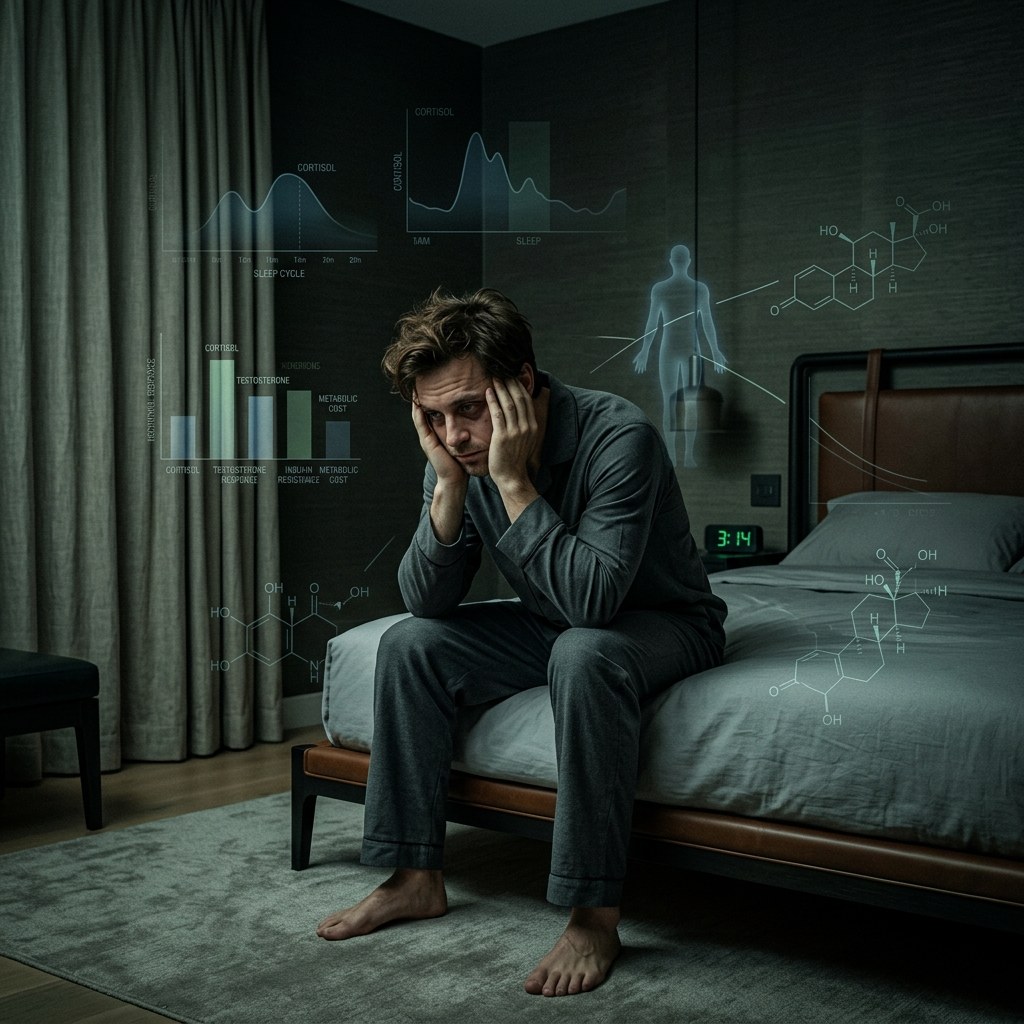
Alcohol is widely perceived as a sleep aid because it shortens sleep onset latency. The reality is more complex: alcohol consumed within 3–4 hours of bedtime impairs sleep quality even when total sleep duration appears normal.
The specific effects (well-documented across multiple sleep-laboratory studies):
- Reduced REM sleep, particularly in the first half of the night. REM is the dream sleep associated with memory consolidation and emotional processing.
- Increased slow-wave sleep (SWS) early in the night, but this rebounds with reduced SWS in the second half.
- Increased fragmentation in the second half of the night as alcohol metabolizes and rebound arousal occurs.
- Greater snoring and apnea risk from upper-airway muscle relaxation.
- Increased nocturia from diuretic effect, producing 1–3 awakenings.
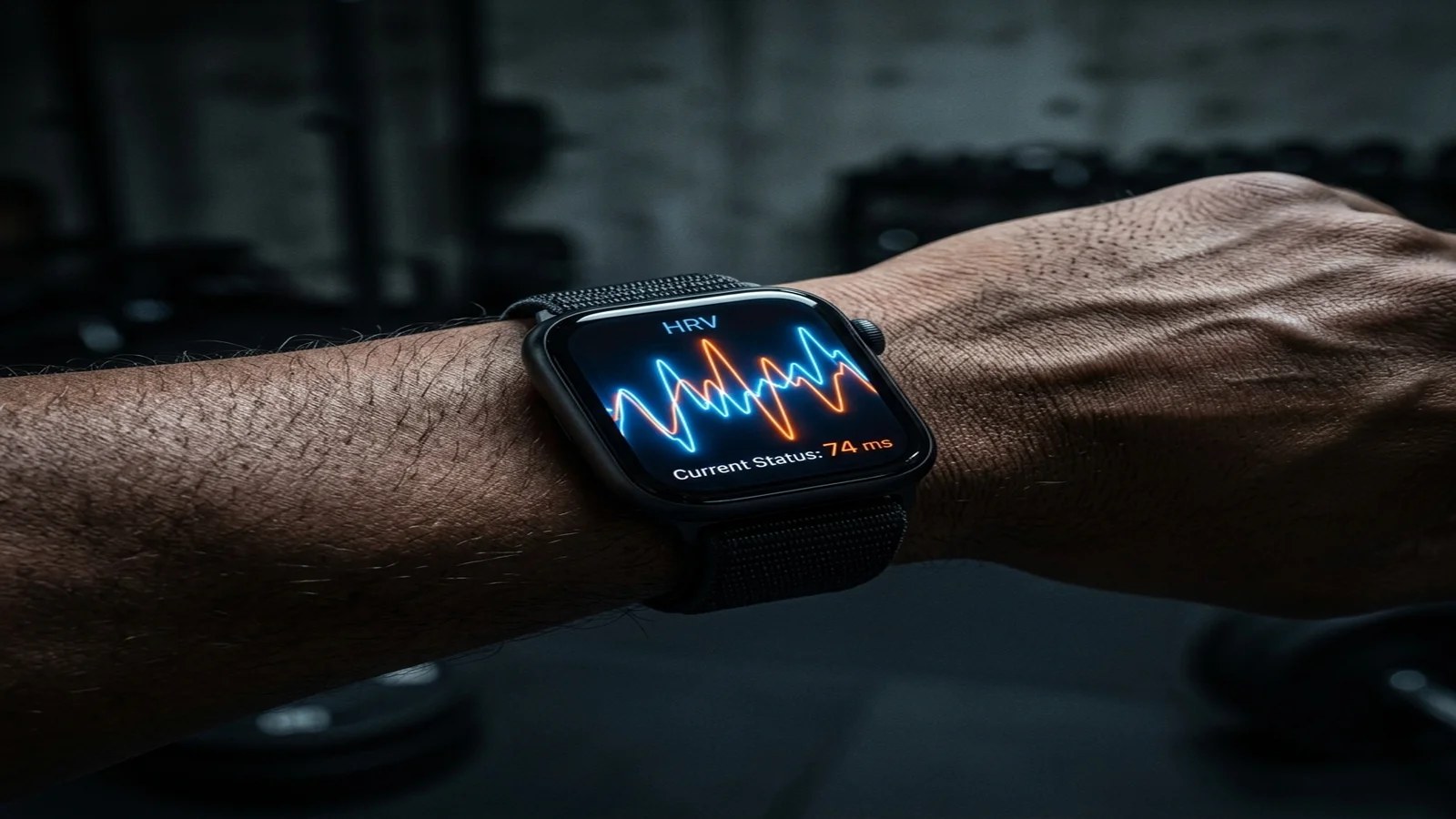
The functional consequence: even when total sleep time looks normal, the quality is meaningfully degraded. Heart rate variability (HRV), morning resting heart rate, and cognitive readiness scores all show measurable next-day impairment after alcohol consumption.
For trainees using HRV as a readiness metric, alcohol consumption is one of the most reliable ways to produce a low HRV reading the next morning. This isn’t coincidence; it’s the autonomic nervous system reflecting the alcohol-induced sleep disruption and metabolic stress.
The dehydration trap
Alcohol is a diuretic: it suppresses vasopressin (anti-diuretic hormone), increasing urinary water loss. The standard estimate is that each 10 mL of alcohol increases urine output by approximately 100 mL above baseline.
For a typical drinking session of 4 standard drinks (each ~14 g alcohol), the additional fluid loss is roughly 700–1000 mL beyond what the drinks themselves contributed. Drinking water alongside alcohol partially compensates but doesn’t eliminate the dehydration.
The masking effect is the danger: alcohol’s vasodilation and central nervous system effects suppress thirst awareness. People often feel less thirsty during a drinking session than they should be, and dehydration accumulates without obvious signal until the morning.
The next-morning consequence: muscle cramps, headache, reduced cognitive performance, impaired physical performance. The classic hangover overlaps substantially with severe dehydration. Aggressive water consumption alongside drinking and before sleep meaningfully reduces but doesn’t eliminate the morning fluid debt.
Next-day performance impairment
Multiple studies (O’Brien et al. 1998; Barnes et al. 2010) have measured next-day athletic performance after evening alcohol consumption. Findings:
- Aerobic capacity: 5–10% reduction in time-to-exhaustion at fixed workload after moderate evening drinking.
- Strength performance: small but detectable reductions in maximum-effort tasks (1RM lifts, sprint times).
- Reactive performance: more pronounced impairment in skill-based tasks (reaction time, fine motor coordination, decision-making under fatigue).
- Recovery from prior workout: increased subjective soreness, prolonged elevated muscle damage markers.
The dose-response: 1–2 drinks the previous evening produce minimal next-day effects in most adults. 3–5 drinks produce clearly measurable impairment. 6+ drinks produce significant impairment lasting into a second day.
Strategic patterns for fitness-focused drinkers
For adults who choose to include alcohol in their lifestyle without abandoning fitness goals, several patterns reduce the cost:
Timing: drink before rest days, not training days
The MPS impairment matters most in the 24-hour window after a hard training session. Scheduling drinks for nights before rest days (rather than nights after hard sessions) protects the adaptive response. Pattern: hard session Monday, rest day Tuesday — drinks Monday night land in the worst possible window. Hard session Saturday, rest day Sunday — drinks Saturday night land in the worst window. Reverse: hard session Saturday, drinks Sunday after a rest day, training Monday — much lower cost.
Choose lower-volume options
The alcohol effect dominates, but added carbohydrates and sugars in mixed drinks compound the cost. Lower-impact options include:
- Dry red wine (~120 calories, minimal sugar)
- Light beer (~100 calories)
- Spirits with soda water (~100 calories, no sugar)
- Dry white wine (~120 calories)
Higher-impact options:
- Cocktails with sweet mixers (200–400+ calories, high sugar)
- Craft beer/IPAs (150–250 calories, high carb)
- Sweet wines, dessert wines
- Sugary frozen drinks
Hydrate aggressively
Standard pattern: glass of water alongside each alcoholic drink, plus 500–750 mL water before bed. The hangover-prevention effect is real and measurable. Electrolyte addition (low-sodium electrolyte mix or sports drink) modestly improves the morning recovery.
Stop drinking early
Alcohol consumed within 3 hours of bedtime maximizes sleep disruption. Stopping drinking by 8–9 PM for 11 PM bedtime allows substantial metabolism before sleep onset, reducing the worst sleep-architecture effects. Late-night drinking is the most damaging pattern.
Avoid stacking with intense training the next day
Don’t plan a Sunday morning hard run after Saturday night drinks. The training load + alcohol-recovery debt compound. If a hard session is scheduled, the previous evening’s drinking should be 1–2 drinks max, finished by early evening.
Limit weekly volume
The Canadian guidance for low-risk drinking has tightened in recent years (CCSA 2023): 0–2 drinks per week is low risk; 3–6 drinks per week is moderate risk; 7+ drinks per week is increased risk for cancer, cardiovascular disease, and other long-term health outcomes. The fitness considerations layer on top of these baseline health considerations.
The post-race / post-event drinking culture
Endurance event finish lines are often celebration zones with beer tents and sponsored alcohol products. The cultural pull to celebrate with alcohol immediately post-event is strong. The reality: this is the worst possible time for alcohol consumption from a recovery perspective.
- Glycogen repletion is impaired when alcohol is consumed in the post-exercise window.
- Muscle protein synthesis is suppressed at exactly the time it should be peaking.
- Dehydration is amplified at exactly the time fluid replenishment matters most.
- Inflammation markers are extended.
The strategic alternative: replenish with non-alcoholic options for the first 2–4 hours post-event (food, electrolytes, protein), then enjoy the post-event drinks 4+ hours later. The recovery-impairment cost of post-race drinks delayed by 4 hours is meaningfully smaller than drinking immediately at the finish line.
The "alcohol-free" beer and wine evolution
Alcohol-free (0.5% ABV or lower) beer and wine have substantially improved in quality and availability since 2020. For trainees who want the social and palate experience without the recovery cost, these products are now genuinely viable substitutes for many drinking situations:
- Sleep: no alcohol = no sleep architecture disruption
- MPS: no alcohol = no MPS impairment
- Hydration: net hydration positive (most alcohol-free beers are 95%+ water)
- Cost trade-off: usually similar or slightly higher per unit; calorie content varies by brand
- Social acceptability: substantially improved; many bars and restaurants now stock alcohol-free options
For adults reducing but not eliminating alcohol, alcohol-free options 2–3 days per week and standard drinks 1–2 days per week is a sustainable pattern that reduces cumulative weekly alcohol while preserving the social ritual.
Practical logistics and edge cases
Beyond the core protocol, several considerations come up in practice.
Wasaga summer culture. Beach Drive corridor patios and waterfront restaurants make alcohol an easy default during summer. Strategic awareness: order water alongside drinks; pace consumption (one drink per hour absorbs and metabolizes roughly even); leave by an early-enough time that bedtime is 3+ hours away from last drink.
Travel and disruption. Travel weeks (work trips, family events, vacations) often see elevated alcohol consumption combined with disrupted training. The recovery debt compounds. Maintaining at least one alcohol-free day per week during travel reduces the cumulative damage.
Wedding and event drinking. Long event days (weddings, family reunions) can produce 8+ drinks across 6+ hours. The next 48–72 hours of training adaptation is meaningfully impaired. Plan around this: schedule rest days for the 1–2 days post-event; resume hard training only after 48–72 hours of recovery.
Athletic event sponsorship culture. Many local races (5K, 10K, half-marathon) have post-event beer gardens. Skipping doesn’t mean missing the social aspect — arrive, eat, hydrate, hang out, and decline the alcohol. Your finishing photo and the race-day social experience don’t require the beer.
Chronic stress drinking. If alcohol consumption is being driven by chronic stress, anxiety, or depression rather than purely social/celebratory contexts, the underlying issue deserves attention beyond fitness optimization. Multiple drinks per night for stress management is a pattern that benefits from professional support, not just “cut back for performance” framing.
Pregnancy. Health Canada guidance is unambiguous: no level of alcohol is safe during pregnancy. The fitness-and-alcohol discussion is irrelevant in this context.
Practical takeaways
- Alcohol acutely impairs MPS by 24–37% after high-impact drinking sessions (Parr 2014); smaller doses produce smaller but real effects.
- Sleep architecture is disrupted even by moderate doses; HRV the next morning reliably shows the effect.
- Dehydration is amplified by diuresis; aggressive water consumption alongside drinking reduces but doesn’t eliminate the morning deficit.
- Strategic timing: drink before rest days, not training days. Stop drinking 3+ hours before sleep.
- Choose lower-impact drinks: dry wine, light beer, spirits with soda. Avoid sweet cocktails and sugary craft beers.
- Alcohol-free beer and wine have improved substantially; viable substitute for many social drinking situations.
- Post-event/post-race drinks are worst-case timing; delay 4+ hours after finish line if drinking is part of the celebration.
References
Parr et al. 2014Parr EB, Camera DM, Areta JL, et al. Alcohol ingestion impairs maximal post-exercise rates of myofibrillar protein synthesis following a single bout of concurrent training. PLoS One. 2014;9(2):e88384. View source →Barnes et al. 2010Barnes MJ, Mundel T, Stannard SR. Acute alcohol consumption aggravates the decline in muscle performance following strenuous eccentric exercise. J Sci Med Sport. 2010;13(1):189-193. View source →O’Brien et al. 1998O’Brien CP, Lyons F. Alcohol and the athlete. Sports Med. 2000;29(5):295-300. View source →Shirreffs & Maughan 2006Shirreffs SM, Maughan RJ. The effect of alcohol on athletic performance. Curr Sports Med Rep. 2006;5(4):192-196. View source →CCSA 2023Canadian Centre on Substance Use and Addiction. Canada’s Guidance on Alcohol and Health: Final Report. View source →