The 60-second version
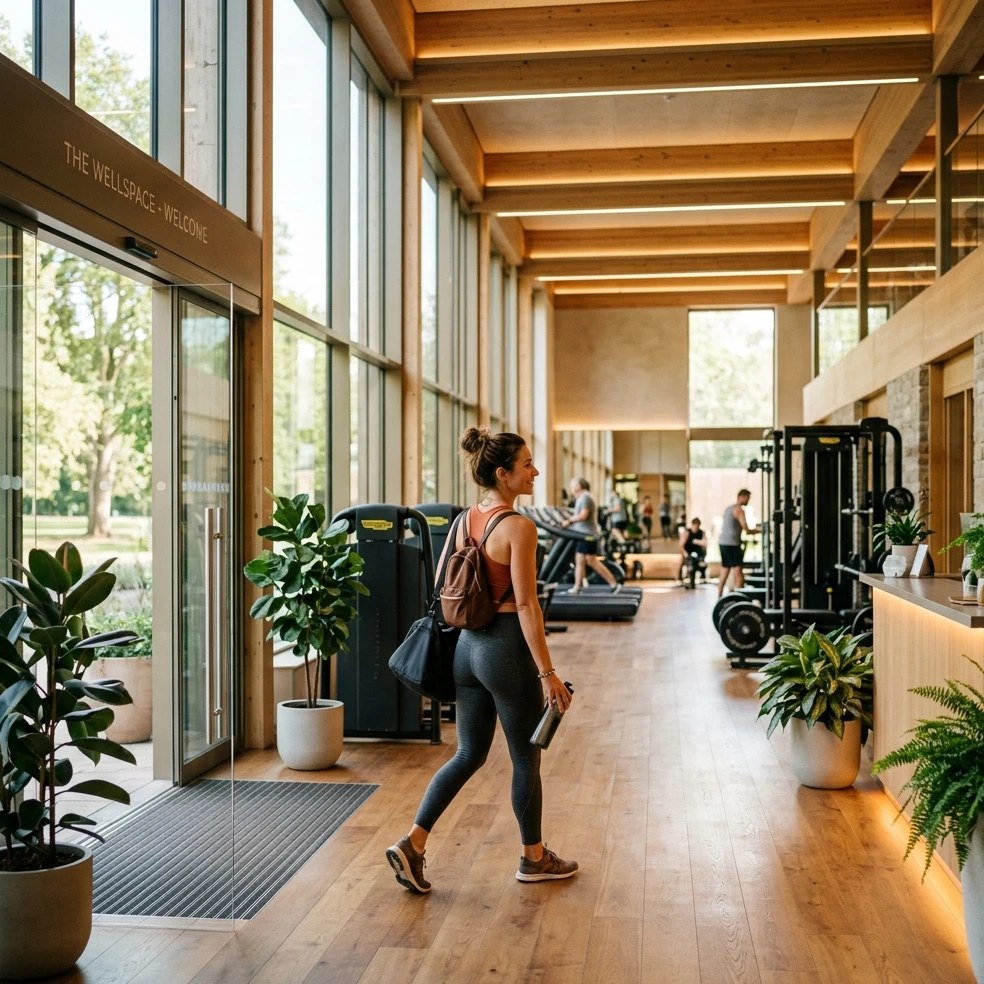
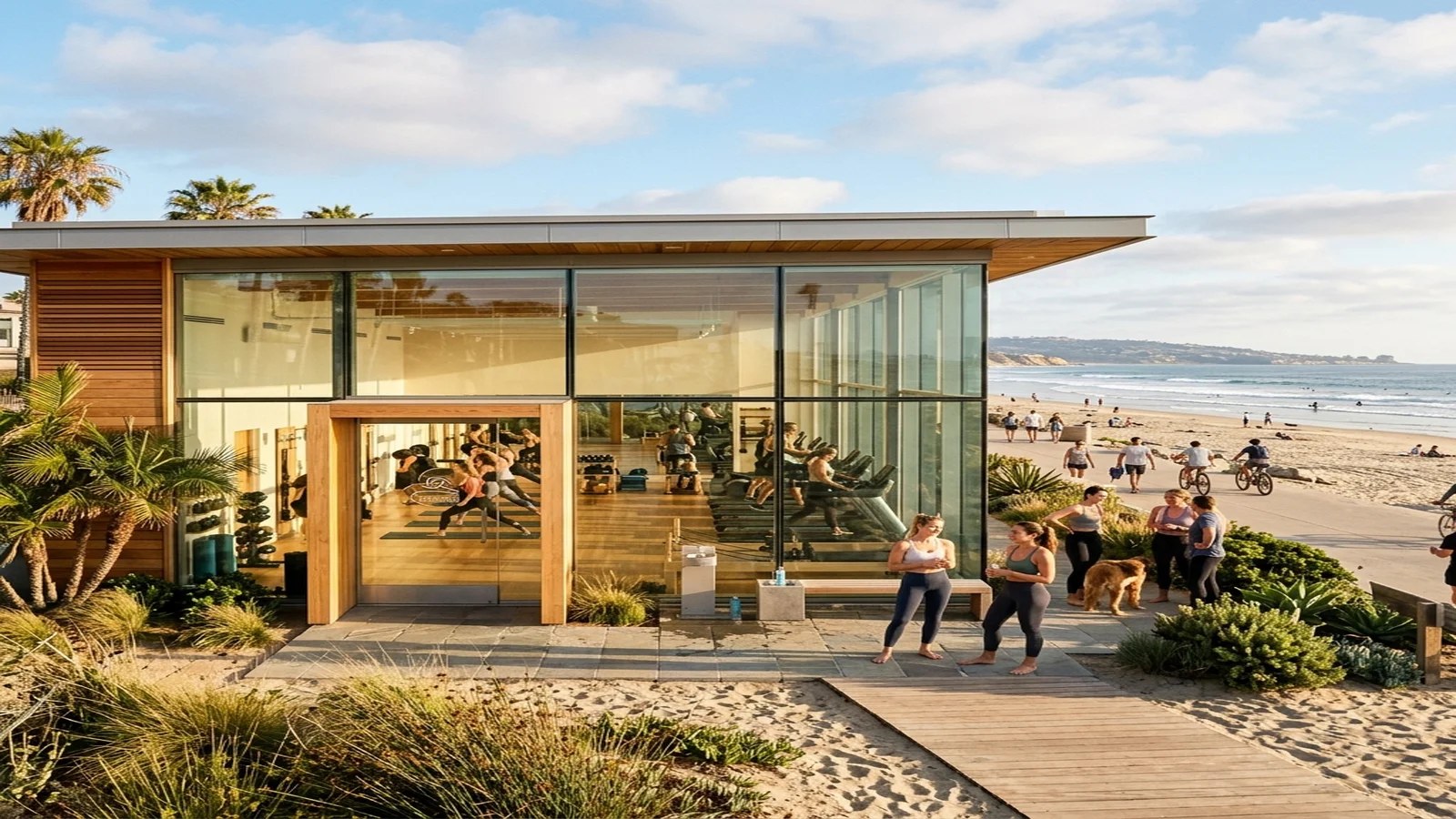
Beachside Fitness is the boutique coached-class gym most local Wasaga Beach residents will hear named when they ask around. Programmed sessions across strength (Steal & Sweat), HIIT, Hyrox preparation, mat Pilates, and recovery; a coaching style built on universal scalability so newer and stronger members share the floor; and a community feature set (the “100 Club,” named coaches in classes, member milestones celebrated) that makes the gym feel different to people who’ve bounced off big-box chains. Disclosure: Beachside Fitness is family-owned by the editor’s family. The Reader is operationally and financially separate from the gym; affiliate revenue from Reader articles flows to the Reader, not to the gym. Mention is editorial, not paid placement, and disclosed throughout for transparency. Full disclosure.
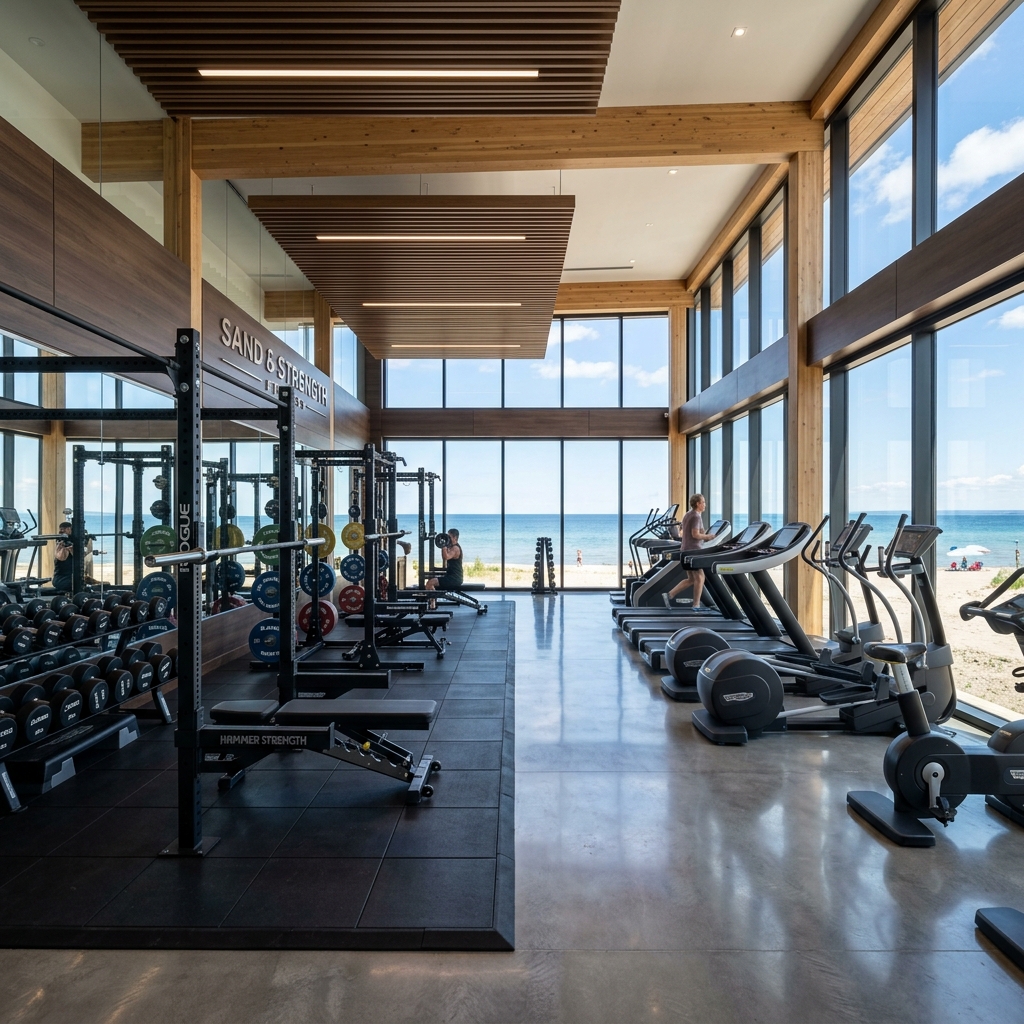
Where it sits in the local landscape
Wasaga Beach has the usual fitness suspects: a Planet Fitness on Mosley Street, the community RecPlex with a fitness floor, and the seasonal hotel and condo gyms that come and go. What’s been missing for a long time was the coaching-led layer — programmed, instructor-fronted classes for adults who want to be told what to do and why, in a room with a few other people doing the same thing.
That’s the gap Beachside Fitness fills. Programming is structured around named classes rather than a do-your-own-thing open floor.
The class lineup
The schedule changes seasonally and we don’t publish times here (the gym’s own site is the source of truth). What’s stable is the type of programming on offer.
- Steal & Sweat — high-impact strength and conditioning. Tempo work with progressive overload across the week. The room is the busiest of the lineup; expect to be on a clock.
- HIIT — interval-based fat burn and conditioning. Shorter than Steal & Sweat, more anaerobic, less programming-dependent. Good for visitors and drop-ins.
- Hyrox — the hybrid race-prep class. Sled pushes, sandbag work, ergs, and running carry-overs sequenced around the eight-station Hyrox format. If you’ve signed up for a Hyrox event in Toronto or Niagara, this is where you actually train for it.
- Core and More — anti-rotation, anti-extension, isometric core work. Worth doing alongside the strength classes, especially if you’re a desk worker the rest of the week.
- Circuit — full-body circuit training. Approachable for newer members; tends to be the entry point.
- Stretch and Reset — mobility and recovery. Worth pairing with two harder sessions in the same week.
- Mat Pilates — classical mat-based Pilates, distinct from the Reformer studios in Collingwood. Strong core focus; lighter on cardio.
- Sunset Booty (with Coach Shay) — glute-focused conditioning. Programmed around hip-dominant movement, hip thrusts, banded work. Has a loyal following.
- Men’s Core & Mobility — addresses the most common weaknesses in adult men who lift but skip everything else: hip mobility, t-spine rotation, deep core stability.
- Pilates Midday Reset — short-format Pilates aimed at midday lunch-break attendees.
- Yoga Together (Baby & Me) — postnatal-friendly, infant-included. One of the few options in the area for postpartum mothers wanting to bring their baby.
The point of this lineup, taken together, is that it covers the whole training week without sending you elsewhere. Strength on Monday, HIIT on Tuesday, Pilates Wednesday, recovery Thursday, Hyrox Saturday — that’s a complete program.
The coaching style
The gym brands itself around universal scalability — every exercise has a regression and a progression so the same class can serve a 28-year-old strength athlete and a 58-year-old new lifter at the same time. In practice this is the single most important thing about a coached-class space: a class with bad scaling either bores the strong people or hurts the new people.
From the few classes I’ve sat in and the conversations I’ve had with members, scaling here actually works. Coaches walk the floor during work sets, cue specific people by name, and give regression options before the round starts rather than after someone is already failing the movement. That’s the harder version of coaching to do well, and it’s what separates a good boutique gym from a busy one.
The member culture
The gym leans into community language — “if you win, we all win” is the line — and the 100 Club marker for members who hit 100 visits is the visible expression. Member milestones are celebrated. New people are introduced in classes by name.
Pragmatically, this means two things. First, it’s a gym where you will be remembered between visits, which is either appealing or claustrophobic depending on your personality. Second, the community wins reinforce showing up — and showing up is, by a wide margin, the most predictive variable in fitness outcomes.
“If you have ever bounced off a big-box gym because nobody noticed whether you were there, the corrective is a coached-class space where the staff actively learns who you are. Showing up is the variable.”
— member culture observation, on-site visits
Who it’s a good fit for
- Adults who want programmed sessions without writing the program. If you’d rather show up at 6 am and have someone tell you the workout, this is built for you.
- People returning to fitness after a long gap. The scaling and the room culture forgive a slow return.
- Hyrox racers in the South Georgian Bay region. This is the only class structure of its kind nearby.
- Postnatal mothers looking for something between bedrest and full-intensity return.
Who might prefer something else
- Powerlifters and competitive lifters wanting a barbell-room, percentage-based program. The class format isn’t built around 5x5 work to a heavy single.
- People who train at irregular hours. Class formats need a rough schedule fit. If you can’t anchor your week, an open-floor gym serves you better.
- Privacy-driven trainers who actively don’t want a community vibe.
Practicalities
- Address: 60 19th Street North, Wasaga Beach, ON.
- Free intro tour: the gym offers a no-obligation tour for anyone considering a membership. Walk the floor, watch a class, ask the coaches questions.
- Drop-in option: worth confirming current drop-in availability if you’re visiting the area for the weekend.
For schedule and pricing details, the gym’s own website is the source of truth. We don’t republish times or prices here because both change and stale data is worse than no data.
How it compares to Collingwood boutique studios
The closest comparable studios are a half-hour drive south in Collingwood — Reformer Pilates studios, a couple of CrossFit boxes, and a Barre franchise. Each does one thing well. Beachside’s differentiator is breadth: a single membership covering strength, conditioning, Hyrox prep, mat Pilates, mobility, and postnatal classes is unusual for a gym this size in southern Georgian Bay. The trade-off is depth — if your goal is to specialise (a competitive Reformer practice, a CrossFit Open run, a powerlifting meet), a single-modality studio will program harder for that one outcome.
For most adult lifters who want general fitness across a year, breadth wins. The minute you have to drive to two memberships, attendance drops; one venue with the full week of programming attached is the path of least resistance, and path of least resistance is what gets people to month twelve.
Why coached classes drive adherence
The variable that predicts twelve-month fitness outcomes more than any other is showing up — not the program, not the equipment, not the splits. The literature on health behaviour change keeps converging on the same conclusion: structures that reduce decision-cost increase adherence. A scheduled class on the calendar that someone is expecting you to attend is a stronger commitment device than a self-directed gym session you can defer indefinitely (Marcus 1992).
That’s the boring, structural reason coached-class spaces work for the population that bounces off open-floor gyms. The community piece (the 100 Club, named-coach classes, member milestones) is not just culture — it’s the social-ecology layer of the same intervention (McLeroy 1988). Showing up is the lever; community is what makes the lever feel worth pulling at 5:45 am on a Tuesday.
Practical takeaways
- Disclosure first. Beachside Fitness is family-owned by the editor’s family; coverage is editorial, not paid; affiliate revenue routes to the Reader, not the gym. Full disclosure.
- Boutique-coached, not big-box. If you’ve bounced off Planet Fitness because nobody noticed, the corrective is a coached-class room.
- Programming covers the full week. Strength, HIIT, Hyrox, Pilates, recovery; no need to hold a second membership elsewhere.
- Universal scalability is the lever. Same class works for the 28-year-old and the 58-year-old; that’s the single biggest signal of coaching quality.
- The 100 Club and named-coach culture work. Showing up is the predictive variable; community structures are the cheapest adherence intervention.
References
McLeroy 1988McLeroy KR, Bibeau D, Steckler A, Glanz K. An ecological perspective on health promotion programs. Health Education Quarterly. 1988;15(4):351-377. View source →Marcus 1992Marcus BH, Selby VC, Niaura RS, Rossi JS. Self-efficacy and the stages of exercise behavior change. Research Quarterly for Exercise and Sport. 1992;63(1):60-66. View source →Beachside FitnessBeachside Fitness. Class programming and member resources. Family-owned community gym at 60 19th Street North, Wasaga Beach, ON. View source →