The 60-second version
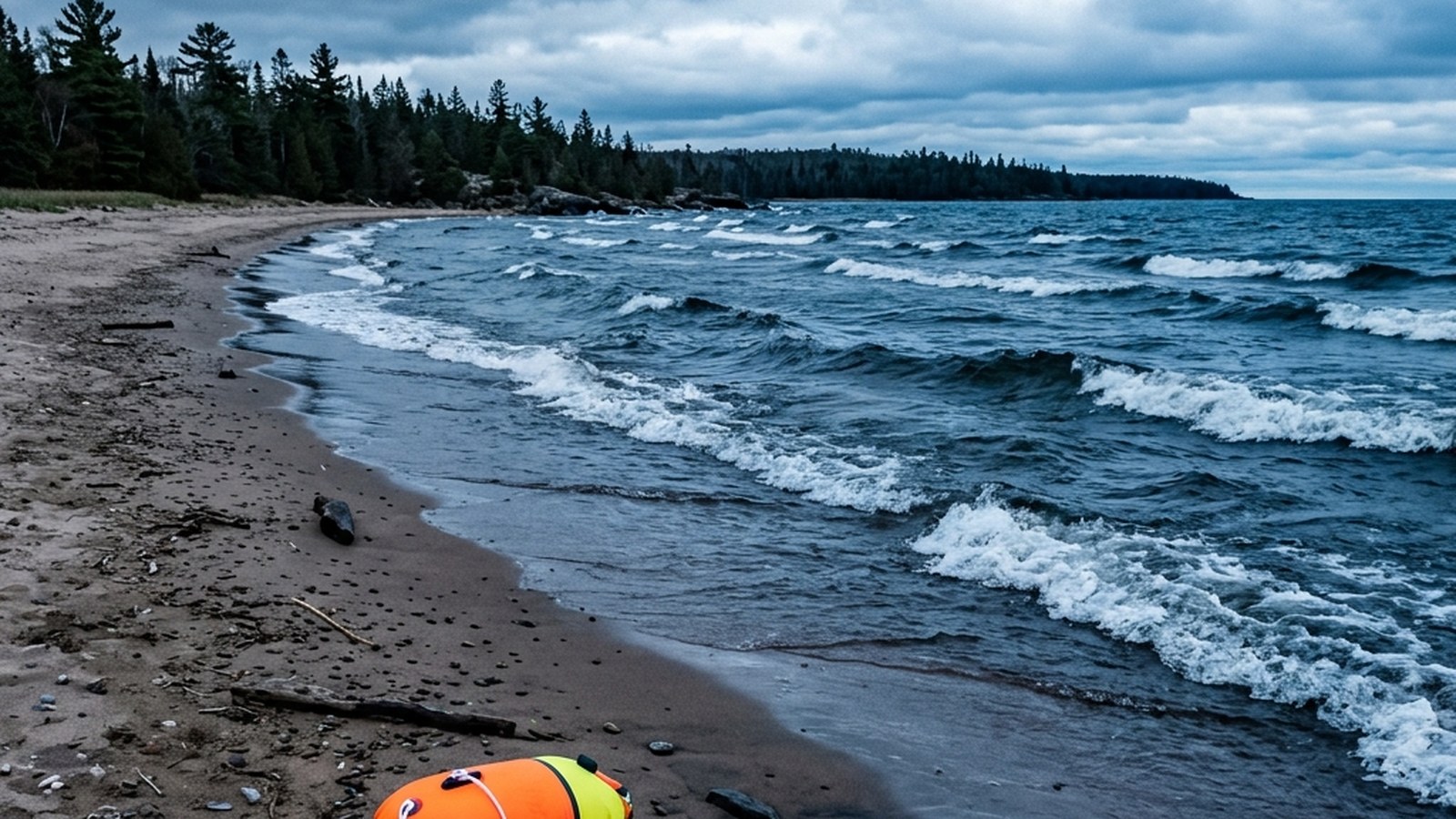
June in Wasaga Beach is when the place actually becomes “the beach” in everyone’s common imagination: water warms past the cold-shock threshold, lifeguards take their summer positions, the boardwalk fills with tourists, and outdoor fitness shifts from base-building into peak-season volume. The water-temperature curve is the dominant variable: surface water moves from ~14°C in early June to ~22°C by month-end, opening the lake to recreational swimming for the bulk of the local population by mid-month. The bug pressure that peaked in late May fades by mid-June; mosquitoes remain in low-lying wet areas but the open-beach environment is comparatively free. Sunscreen and hydration become the limiting variables for outdoor sessions; the early-morning workout window (5–9 AM) becomes valuable as midday heat builds. For Wasaga residents and visitors, June is the strategic peak-fitness window: weather is favourable, infrastructure is fully open, and the volume-building done in May pays off in capacity.
June weather: the warm-and-stable window
June in Wasaga Beach has notably stable weather compared to the spring transition months:
- Average daily high: 22–25°C in early June; 25–28°C by month-end. Heat waves above 30°C occur but are not yet typical.
- Average daily low: 12–15°C. Below-10°C nights are rare after the first week.
- Sun: peak. June 21 is the longest day of the year; UV exposure is maximal. Outdoor activity at midday requires deliberate sun management.
- Wind: typical Georgian Bay onshore breezes through the day; calm mornings and breezy afternoons. Wind is generally moderate.
- Rain: 70–90 mm typical for the month, similar to May. Thunderstorms become more common in late June.
- Lake water temperature: 14–17°C in early June; 19–22°C by month-end. The crossover to comfortable recreational swimming usually happens around June 15–20 in typical years.
The practical implication: outdoor activity is favourable for the full month with attention to sun and hydration. Cold-water risk is reducing rapidly; bugs are fading; the longer days allow morning, evening, or split sessions that were less practical in May.
The water opens: swimming becomes a real activity
For most casual swimmers, the lake becomes a real swimming surface in June. The progression:
- Early June (1–15): water is 14–18°C. Tolerable for cold-acclimated swimmers in wetsuits or short non-wetsuit swims; uncomfortable for most casual swimmers. Lifeguarded zones are not yet operational.
- Mid-June (15–25): water reaches 18–21°C. The crossover to comfortable swimming for most adults. Lifeguarded zones at Wasaga Provincial Park typically open in mid-to-late June.
- Late June (25–30): water reaches 21–24°C. Full recreational swimming season. Lifeguard service is established. Inflatables, boats, and family beach use intensify.
For someone who hasn’t swum in open water for the season, the first June swims should follow the cold-shock acclimation protocol from the local Georgian Bay swim safety guide: gradual entry, 10–15 minute acclimation before distance work, exit at first sign of fatigue or hypothermia. The water-temperature reading at the lifeguard tower (or via a swim-watch sensor) is the most useful real-time data for the day’s decision.
For families and recreational swimmers, the 18–20°C threshold (typically mid-month) is when comfortable swimming begins. Below that, kids and casual adults find the water too cold for sustained enjoyment.
Lifeguard service starts
The Wasaga Beach Provincial Park lifeguard service typically begins in late June and runs through early September. The exact start date varies year to year; check the Ontario Parks website or call the park office for current operational dates.
The lifeguarded zones at Beach Area 1 are the safest swimming environment available locally:
- Marked perimeter boundaries (red flags or buoy lines).
- Trained surveillance from elevated towers.
- Rapid-response rescue equipment.
- Posted water condition warnings.
- Trained staff who recognise distress before swimmers can call for help.
For families with children and for swimmers learning open-water environments, swimming exclusively within lifeguarded zones during posted hours is the single most effective safety measure.
Bug pressure declines through June
The June bug-pressure curve is one of the most reliable annual patterns in central Ontario:
- Early June: residual mosquitoes are most intense, particularly in low-lying wet areas. Forested trails (Tiny Marsh, Schoonertown wetland, Wasaga Provincial Park interior trails) require repellent.
- Mid-June: mosquito numbers begin declining as breeding-pool habitats dry out. Forested trail outings still benefit from repellent in dawn/dusk.
- Late June: substantially reduced bug pressure. Open-area outdoor activity is comparatively bug-free.
- Throughout June: open beach and lake-breeze areas remain comparatively bug-free. The wind keeps insects moving.
For long forested-trail outings (multi-hour hikes at Devil’s Glen, Pretty River Valley, or longer Bruce Trail sections), bug repellent remains useful through mid-month. For boardwalk and beach activity, the bug consideration is minimal.
Heat management: the new dominant variable
As ambient temperature rises through June, heat management replaces cold-water management as the dominant safety consideration. The acclimation protocol started in May continues:
- Hydration: 1.5–2 L of fluid per hour of moderate-intensity outdoor activity in 25–30°C conditions. Most casual exercisers under-hydrate; an insulated bottle in clear sight increases intake.
- Electrolytes: in extended sessions (90+ minutes) or hot conditions, sodium and potassium loss matters. A dilute electrolyte mix or an actual sports drink prevents the cramps and fatigue that pure water can’t address.
- Sun protection: SPF 30+ broad-spectrum sunscreen, applied every 2 hours of outdoor exposure. Hat with brim. UV-blocking sunglasses. Long-sleeve UPF shirts for prolonged sessions.
- Time-of-day: midday (11 AM–3 PM) sun and heat are the most stressful. Early morning (5–9 AM) and evening (after 6 PM) outdoor sessions become more practical.
- Cooling strategies: cool water on the head and back of neck, ice in the water bottle, swimming break in the lake mid-session, indoor cooling at a recovery point.
- Recognise heat illness signs: nausea, dizziness, confusion, cessation of sweating in conditions where sweating should be heavy. These are urgent signals to stop, cool, hydrate, and seek medical attention if symptoms persist.
The acclimation effect builds over 7–14 days of progressively-warmer outdoor exposure. By the end of June, most regular outdoor exercisers have adjusted to the warm conditions; July’s heat is then easier to manage.
The early-morning workout window
One of June’s practical workouts is the early-morning outdoor session, before sun and heat become limiting:
- 5:00–6:30 AM: pre-sunrise. The boardwalk is empty; air is coolest; light is photographable but the workout focus is movement. Best for distance running or walking.
- 6:30–8:00 AM: post-sunrise, before serious heat. Optimal window for most fitness sessions. Some local running groups meet at this time.
- 8:00–10:00 AM: still pleasant; early tourists begin arriving. The boardwalk crowds start to build; the trails remain mostly quiet.
- 10:00 AM onward: peak summer arrival times. Crowds and heat both build.
For local residents who can structure their day around this window, the early-morning block is the highest-quality fitness opportunity June offers. For visitors, the same window provides the quiet beach experience that many seek but few find when they arrive at midday.
A specific June protocol
For someone who completed the May transition protocol, the June progression:
Week 1 (early June)
- 4× outdoor cardio: at least one early-morning session.
- 2× resistance training.
- 1× long outing: 90–120 minutes, somewhere new (a destination hike or a ride extension).
- Begin sport activity: tennis, pickleball, paddleboarding session as available.
Week 2–3 (mid-June)
- 4–5× outdoor cardio: morning sessions become primary.
- 2× resistance training.
- 2× sport activity: pickleball, tennis, paddleboard.
- Add open-water swim as water temperature crosses the comfort threshold.
- 1× long outing: 2–3 hours.
Week 3–4 (late June)
- 5× outdoor cardio: morning, evening, or split.
- 2× resistance training.
- 3× sport or swim activity.
- 1× long outing or destination event.
- Begin race-prep if running a summer 5K or 10K event.
Throughout June
- Daily hydration discipline: 2–3 L plus session-specific intake.
- Sunscreen application on all outdoor sessions.
- Recovery awareness: heat-stress recovery takes longer than cold-weather recovery; sleep and easy days matter more.
- Track water-temperature trends if open-water swimming is part of the routine.
June’s local fitness calendar
June is when most local fitness events kick off. The general pattern (specific dates vary year to year):
- Wasaga Triathlon series: typically a June race or training day.
- Collingwood and surrounding running races: June 5K and 10K events; some held on the trail system.
- Open water swimming meetups: informal local groups that begin organising in June as water warms.
- Cycling group rides: weekly group rides along the Georgian Trail and surrounding roads.
- Pickleball and tennis leagues: outdoor leagues running through summer.
- Beach volleyball: the Wasaga beach volleyball season starts in June.
- Yoga in the park: outdoor yoga classes at various Wasaga and Collingwood parks.
- Multi-day events: longer organised cycling and hiking events through the broader Georgian Bay region.
Search local fitness centres, the Town of Wasaga Beach Recreation department, and regional running and cycling clubs for current event listings.
For Wasaga visitors in June
June is one of the best months to visit Wasaga for active tourism:
- Less crowded than July–August peak.
- Cooler than July–August; outdoor activity is comfortable for longer.
- Bug pressure has faded compared to May.
- Water has warmed enough for swimming by mid-month.
- Long days allow morning and evening activity bracketed around midday rest.
- Most amenities open by mid-month.
- Local events (running races, cycling events, pickleball tournaments) are accessible to visitors.
Recommended June visitor itinerary: morning Nordic walk on Beach Drive (or family bike ride on the Georgian Trail), midday swim and beach time at Beach Area 1, evening dinner and outdoor activity. Repeat across 2–4 days for a strong active-tourism vacation.
Practical takeaways
- June is when Wasaga becomes “the beach”: water warms past the cold-shock threshold by mid-month, lifeguards open zones, infrastructure is fully operational.
- Bug pressure declines through the month; by late June, open-area outdoor activity is comparatively bug-free.
- Heat management replaces cold-water management as the dominant variable: hydration, sun protection, time-of-day matter.
- The early-morning window (5–9 AM) is the highest-quality outdoor fitness opportunity for the month.
- Local fitness events kick off in June: races, cycling groups, sport leagues, swim meetups.
- For visitors, June is one of the best months: less crowded, cooler, comfortable swimming, full amenities.
References
Environment CanadaEnvironment Canada Climate Data — Wasaga Beach historical averages. View source →Ontario Parks — WasagaOntario Parks. Wasaga Beach Provincial Park — visitor information and seasonal facility status. View source →Lifesaving SocietyLifesaving Society of Canada — Open-water swimming safety guidance. View source →CDC Heat IllnessCenters for Disease Control and Prevention — Extreme heat and heat-related illnesses. View source →