The 60-second version
May in Wasaga Beach is the awkward transition month: snow is mostly gone but mornings can still hit freezing, water is too cold for serious swimming, the bug pressure is starting to pick up, and most summer infrastructure (boardwalks, lifeguards, washroom facilities) hasn’t fully opened yet. It’s also the month most local fitness routines need to pivot from indoor or winter outdoor activity to summer-pattern training, and the people who manage the transition well get a 6-week head-start on the season. The protocol that works for May: get serious about outdoor cardiovascular base-building (easy long runs, walks, light cycling), start the heat-acclimation process gradually (2–3 sessions per week of warming-but-not-stressful outdoor work), watch the water-temperature reports for swim eligibility (typically 12–18°C through May, marginal for cold-tolerant swimmers), and fill the calendar with the local trails and access points that are open and quiet (Tiny Marsh, Wasaga Provincial Park, the Georgian Trail). Bug season starts mid-May and peaks around Victoria Day weekend; carry repellent.
May weather in Wasaga: what to expect
May in Wasaga Beach is in the climate transition between continental winter and Great Lakes summer. The 30-year averages give the picture:
- Average daily high: 17–20°C by mid-month; 22°C+ by month-end on warm years.
- Average daily low: 5–10°C; below-freezing temperatures still possible in the first half of the month, particularly inland from the lake-moderating effect.
- Sun: substantial. May is one of the sunniest months of the year in this latitude; UV exposure is meaningful even at 18°C ambient.
- Wind: Georgian Bay onshore wind is variable; calm-water mornings and breezy afternoons are typical. Cold offshore air can produce surprising afternoon temperature drops.
- Rain: 70–90 mm typical for the month, distributed across multiple days. Rare for any single weekend to be a complete washout.
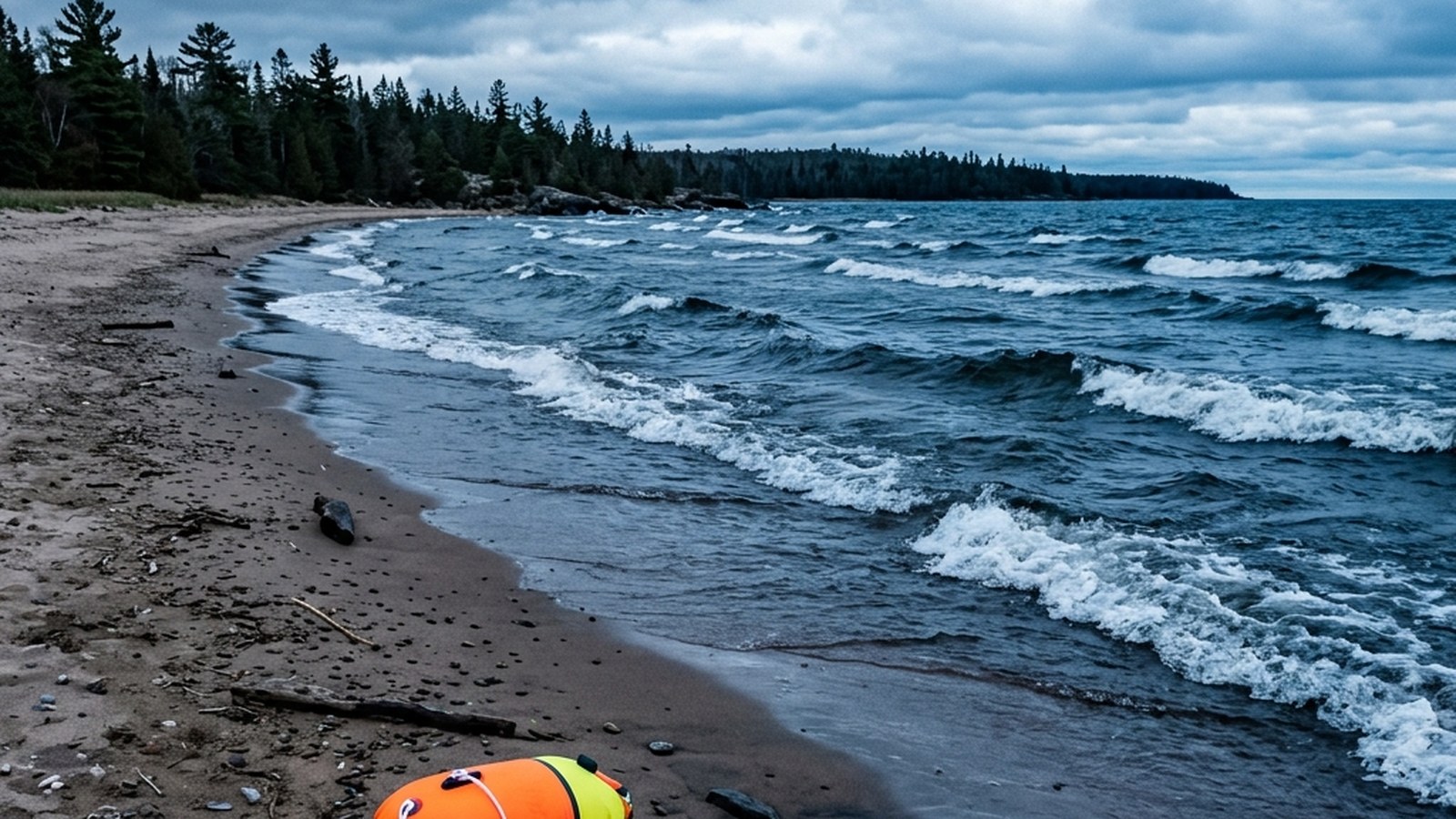
- Lake water temperature: starts around 8–10°C in early May, ends around 12–15°C. Below the threshold for safe recreational swimming except for cold-tolerant individuals with proper precautions.
The practical implication: dress in layers, bring a wind layer for outdoor activity, manage sun exposure, and respect the cold-water risk if any open-water exposure is involved.
The training transition: from winter pattern to summer pattern
Most local fitness routines reach May with one of three winter patterns:
- Indoor-dominant: gym, spin class, indoor pool, treadmill. Common pattern for people who don’t love cold-weather outdoor exercise.
- Winter-outdoor: cross-country skiing, snowshoeing, fat biking, winter trail running. Common in the Wasaga-Collingwood area where Nordic Centre and Blue Mountain are close.
- Mixed: most people have some combination, depending on weather and motivation.
The May transition involves:
- Re-establishing aerobic outdoor base: most winter-outdoor activities have a different cardiovascular profile than summer outdoor activities. Cross-country skiing builds endurance differently than running. The first 4–6 weeks of May/June running for an ex-skier feel harder than the running the same person was doing in October.
- Loading the bones and joints back into impact: indoor cycling and swimming are largely non-impact. Returning to outdoor running, hiking, and walking introduces repetitive ground reaction forces that bones and joints have to re-tolerate. The first 2–3 weeks need conservative volume to prevent stress-injury patterns.
- Reactivating heat-management physiology: even at 18–20°C, a serious workout in May feels harder than the equivalent workout in March at 5–10°C. Sweat-rate and electrolyte handling need re-establishment.
- Re-learning UV management: indoor-dominant winter routines produce low cumulative UV exposure. The May increase requires deliberate sunscreen, hat, and possibly UV-blocking glasses.
- Sleep adjustment: longer days affect sleep timing for most people. The slight increase in evening light delays sleep onset; some people benefit from blackout curtains in the bedroom by mid-May.
What’s open in Wasaga in May
Spring opening dates vary year to year; the typical May availability:
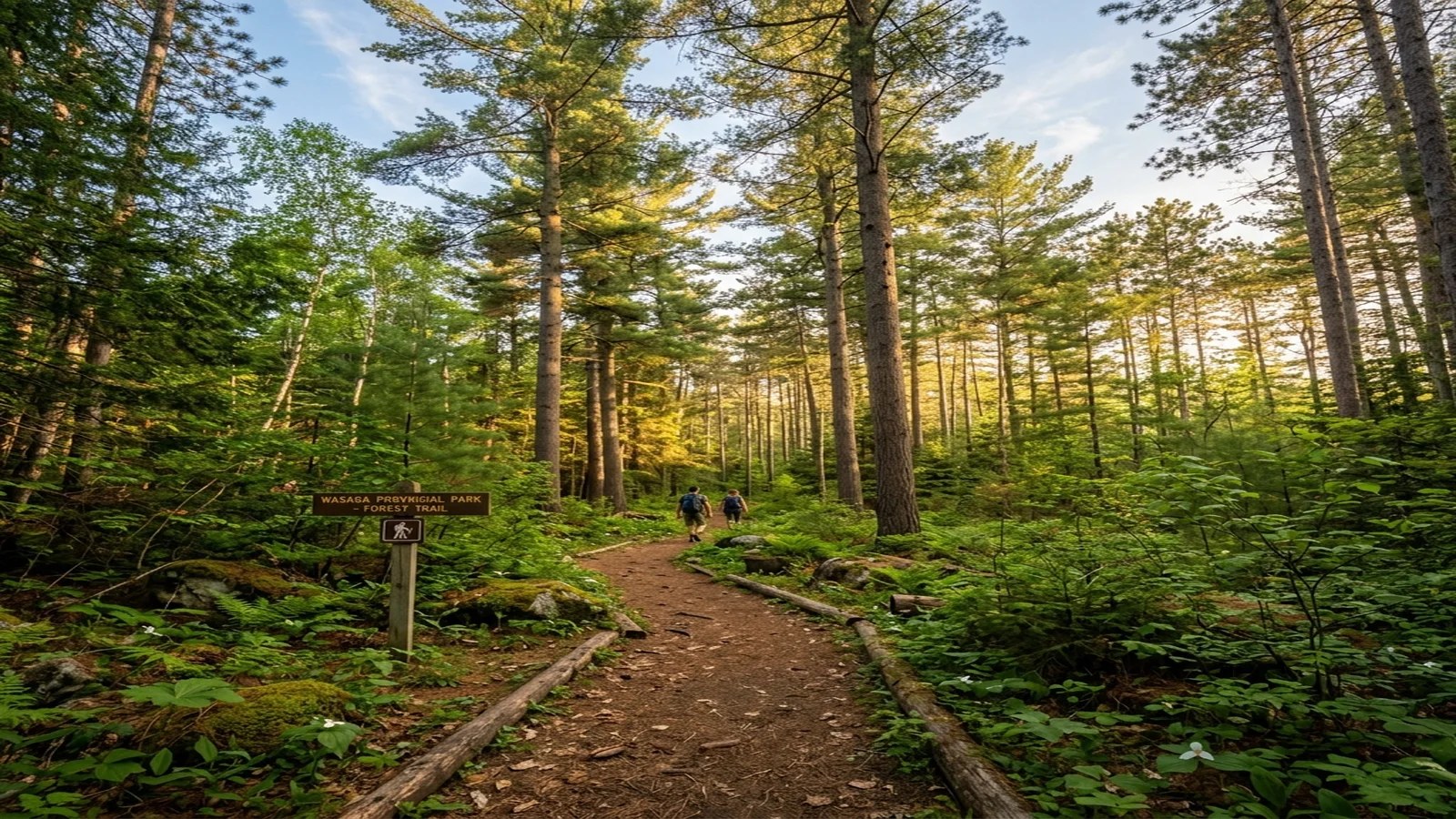
- Wasaga Beach Provincial Park trails: open and accessible all year, but day-use facilities (washrooms, picnic shelters) typically open in early May. The trail surfaces are dry and ready for use.
- Beach Drive boardwalk and Beach Areas 1–6: parking is free in early May (charging starts mid-to-late May). The boardwalk is open. Lifeguard service does not start until late June.
- The Georgian Trail: fully accessible. Surface is dry by mid-May.
- Tiny Marsh Provincial Wildlife Area: open all year. May is excellent for bird-watching with spring migration.
- Pretty River Valley Provincial Park: open. The escarpment trails are dry by mid-May.
- Schoonertown wetland trails: open and quiet.
- Wasaga Nordic Centre summer trails: typically open by mid-May for hiking and trail running.
- Local pickleball courts: outdoor courts open as the surface dries; typically full operation by mid-month.
- Most summer fitness classes: indoor classes continue; outdoor classes (boot camps, group runs) start ramping up.
What’s typically not yet open or restricted in May:
- Lifeguarded swim zones (open late June).
- Some Provincial Park camping reservations.
- Many summer-only programs (kayak rentals, beach concessions).
- Ice cream and beach food stands (selective opening through late May).
Bug season: the May reality
Wasaga’s bug pressure follows a predictable annual pattern:
- Early May: minimal bugs. The early black flies emerge in some inland forested areas but not yet in numbers that affect outdoor activity.
- Mid-May (around Victoria Day weekend): black fly emergence peaks. The forested trails (Tiny Marsh, Pretty River Valley, Georgian Trail forested sections) become uncomfortable without repellent. Open beach and lake-breeze areas remain bug-free.
- Late May: black fly numbers start declining; mosquitoes begin appearing in low-lying wet areas.
- Early June: mosquito peak; black fly numbers low. The general bug pressure is at its annual high.
- Mid-to-late June onward: bug pressure declines as the breeding habitat dries; the rest of summer is comparatively bug-free.
Practical bug management:
- DEET 20–30% or icaridin 20%: the gold-standard repellents. Apply to exposed skin and the outside of clothing.
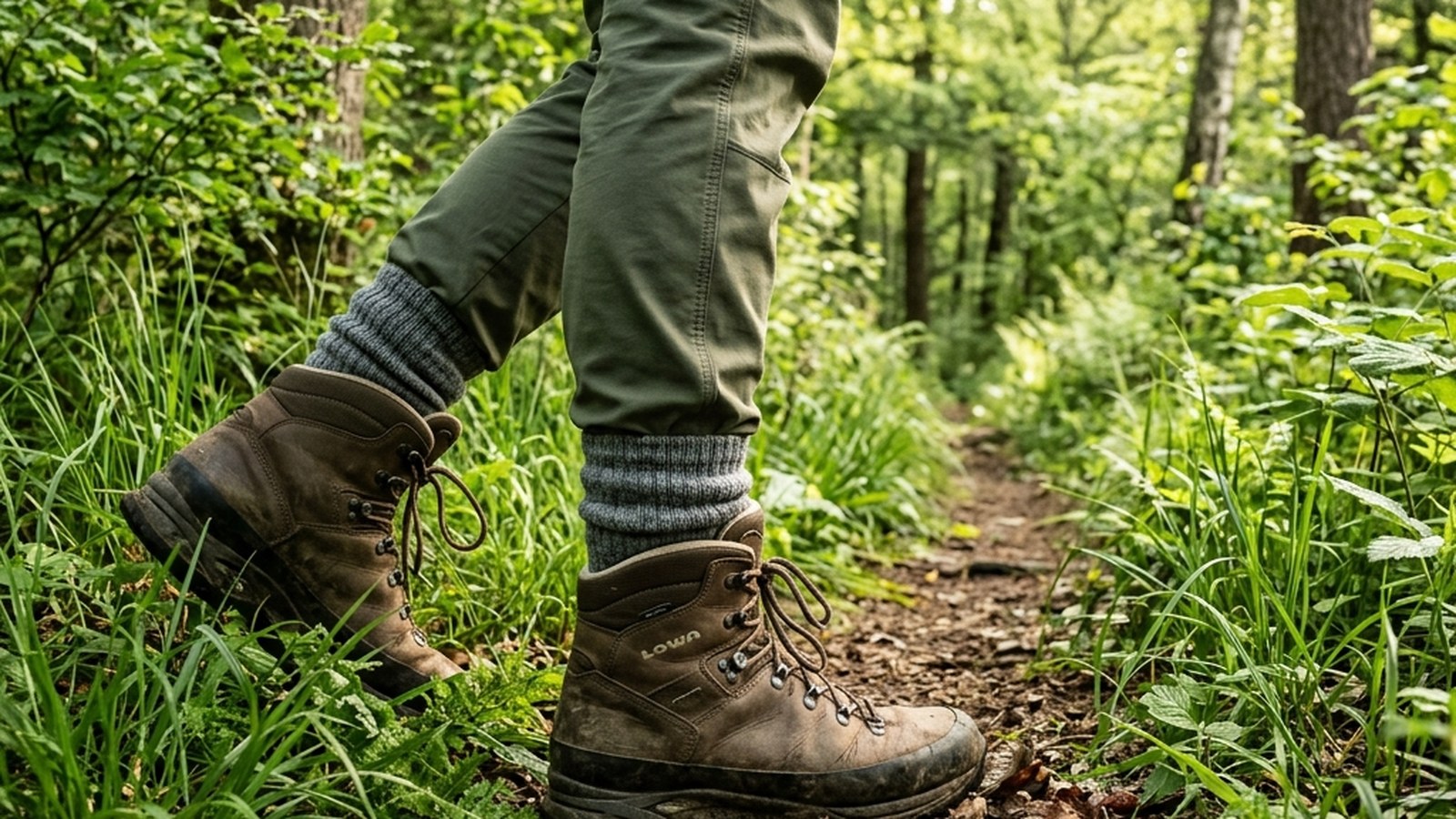
- Long sleeves and long pants for forested-trail outings during peak bug periods. Cover-up is more effective than even the best repellent.
- Avoid unscented vs. scented choices: avoid heavily-scented soaps, deodorants, and clothing detergents during bug season; they attract insects.
- Lake-breeze areas: wind keeps bugs off the open beach surface. The Beach Drive corridor is comparatively bug-free during peak season.
- Time of day: bug activity peaks in dawn and dusk; midday is comparatively quieter.
A specific May fitness protocol
For a Wasaga resident with a baseline winter fitness pattern:
Week 1 (early May)
- 3× easy outdoor walks or runs of 30–45 minutes on the Beach Drive corridor or Georgian Trail.
- 1–2× resistance training session.
- 1× long outing: a 90-minute walk or hike on Tiny Marsh or Wasaga Provincial Park trails.
Week 2–3 (mid-May)
- 3× outdoor cardio sessions, gradually adding pace work or moderate-intensity intervals.
- 2× resistance training.
- 1× long outing: progressing toward 2-hour distances.
- Begin heat-acclimation: wear an extra layer for 1–2 sessions per week to gently load the sweat response.
Week 3–4 (late May)
- 4× outdoor cardio sessions.
- 2× resistance training.
- 1× long outing or destination hike (Devil’s Glen, Pretty River, Blue Mountain area).
- Sport activity: tennis, pickleball, paddleboarding session as the activity comes back.
- Outdoor swim if water-tolerance and air temperature allow: short cold-water dips with appropriate care.
Throughout May
- Daily 10-15 minute outdoor walk regardless of other activity, to lock in the outdoor habit.
- Sunscreen application before any outdoor session over 30 minutes.
- Hydration on every session (even cool-day sessions; the dry indoor air of winter has acclimated most people to lower fluid intake than spring outdoor activity demands).
Cold-water swimming: feasible in May for the prepared
For experienced cold-water swimmers, May is the start of the recreational open-water season at Wasaga. The water temperature starts around 8–10°C in early May (genuinely cold) and rises through the month. By late May, water can reach 14–17°C, which is tolerable for short swims with proper acclimation.
For most adults, May open-water swimming requires:
- Wetsuit: 4/3 mm full wetsuit handles 8–12°C water comfortably for short swims.
- Gradual entry: never jump or dive in. Wade gradually; allow 10–15 minutes before any meaningful distance.
- Short duration: 10–20 minute sessions, even with wetsuit. Cold-water exposure compounds.
- Buddy system: solo cold-water swimming is meaningfully riskier than warm-water solo swimming.
- Warming protocol: dry clothes, warm beverage, vigorous activity (walking, calf raises) immediately on exit. Avoid hot showers immediately after — the rapid warming can cause dangerous cardiovascular events in some people.
For most casual swimmers, May is too early for serious open-water swimming. The wait is short; June water is dramatically more comfortable.
Looking ahead: planning the summer from May
May is also the strategic-planning month for the summer fitness season. Local races, events, and programs typically open registration in spring:
- Local 5K and 10K races: most regional races run from May through October. The Collingwood, Wasaga, and Stayner area collectively host 8–12 races per year accessible to local participants.
- Triathlon series: the Wasaga Triathlon and other local events open registration in spring.
- Hiking and cycling group rides: weekly informal groups run May through October.
- Pickleball club registrations: open in spring with the outdoor courts.
- Summer fitness camps: drop-in or full-summer camps for kids and adults.
- Provincial Park camping reservations: book early; popular dates fill quickly.
A May calendar block to scan local listings, register for 1–2 events as motivational anchors, and book any necessary travel pays disproportionate dividends through the summer.
Practical takeaways
- May in Wasaga is a transition month requiring deliberate pivot from winter fitness pattern to summer outdoor pattern.
- Trails, paths, and most outdoor activity surfaces are open; lifeguarded swimming and some summer infrastructure are not yet operational.
- Bug season starts mid-May and peaks around Victoria Day: DEET or icaridin, long sleeves on forested trails, lake-breeze areas for bug-free workouts.
- Heat-acclimation begins gradually: even moderate May temperatures load the sweat response for someone coming from indoor winter routine.
- Open-water swimming is feasible for the prepared with wetsuit and gradual progression; most casual swimmers benefit from waiting until June.
- Use May for summer planning: race registration, group rides, camping reservations, equipment maintenance.
References
Environment CanadaEnvironment Canada Climate Data — Wasaga Beach historical averages. View source →Ontario Parks — WasagaOntario Parks. Wasaga Beach Provincial Park — visitor information and seasonal facility status. View source →CDC Repellent GuidanceCenters for Disease Control and Prevention. EPA-registered repellents and insect bite prevention. View source →Lifesaving SocietyLifesaving Society of Canada — Open-water swimming safety guidance. View source →