The 60-second version
The Wasaga Triathlon series and other regional triathlon events centred on Wasaga Beach use the natural infrastructure of the Beach Area swim, the Beach Drive boardwalk run, and the surrounding road network for cycling. For local athletes building toward triathlon, the Wasaga venue offers a particularly favourable training environment: the swim leg is sheltered Bay water with reliable conditions; the run leg is the flat, paved boardwalk corridor; the bike leg is a network of low-traffic rural roads with predictable terrain. The published research on triathlon training (Bentley et al. 2002 on transitions; Rodrigues 2018 on training distribution) consistently identifies the foundational requirements: aerobic base across all three disciplines, sport-specific skill development, and the often-underestimated transition (T1 and T2) practice. The protocol that works for Wasaga-based first-time triathletes: 12–16 weeks of preparation building from base cardiovascular fitness, structured weekly sessions covering each discipline plus combined work, and event-specific course familiarisation in the final 4 weeks before the race. Critical: open-water swim safety, properly-fitted bicycle, and adequate medical clearance for endurance event participation.
Triathlon at Wasaga: the typical event format
Triathlon events at Wasaga and the surrounding region come in several distance formats:
- Try-a-Tri (super-sprint): 375 m swim, 10 km bike, 2.5 km run. The introductory format for first-time triathletes. Total time typically 45–75 minutes.
- Sprint distance: 750 m swim, 20 km bike, 5 km run. The standard amateur entry-level format. Total time typically 1–2 hours.
- Olympic distance: 1.5 km swim, 40 km bike, 10 km run. The classic distance; demands several months of dedicated training. Total time typically 2–3 hours.
- Half-iron distance (Iron 70.3): 1.9 km swim, 90 km bike, 21.1 km run. Requires serious endurance training; not commonly held at Wasaga but available at regional events.
- Full Iron distance: 3.8 km swim, 180 km bike, 42.2 km run. Major endurance event; not Wasaga-based but accessible from the region.
For Wasaga-area beginners, the Try-a-Tri or Sprint distance is the appropriate entry. Most local triathletes start with one of these distances and progress to Olympic or longer formats over multiple seasons.
Course features at Wasaga
The typical Wasaga triathlon course uses these natural features:
- Swim start at Beach Area 1: Bay water with reliable summer conditions (typically 18–22°C in race-day morning); shallow shoreline that supports start and finish; lifeguard support for the event.
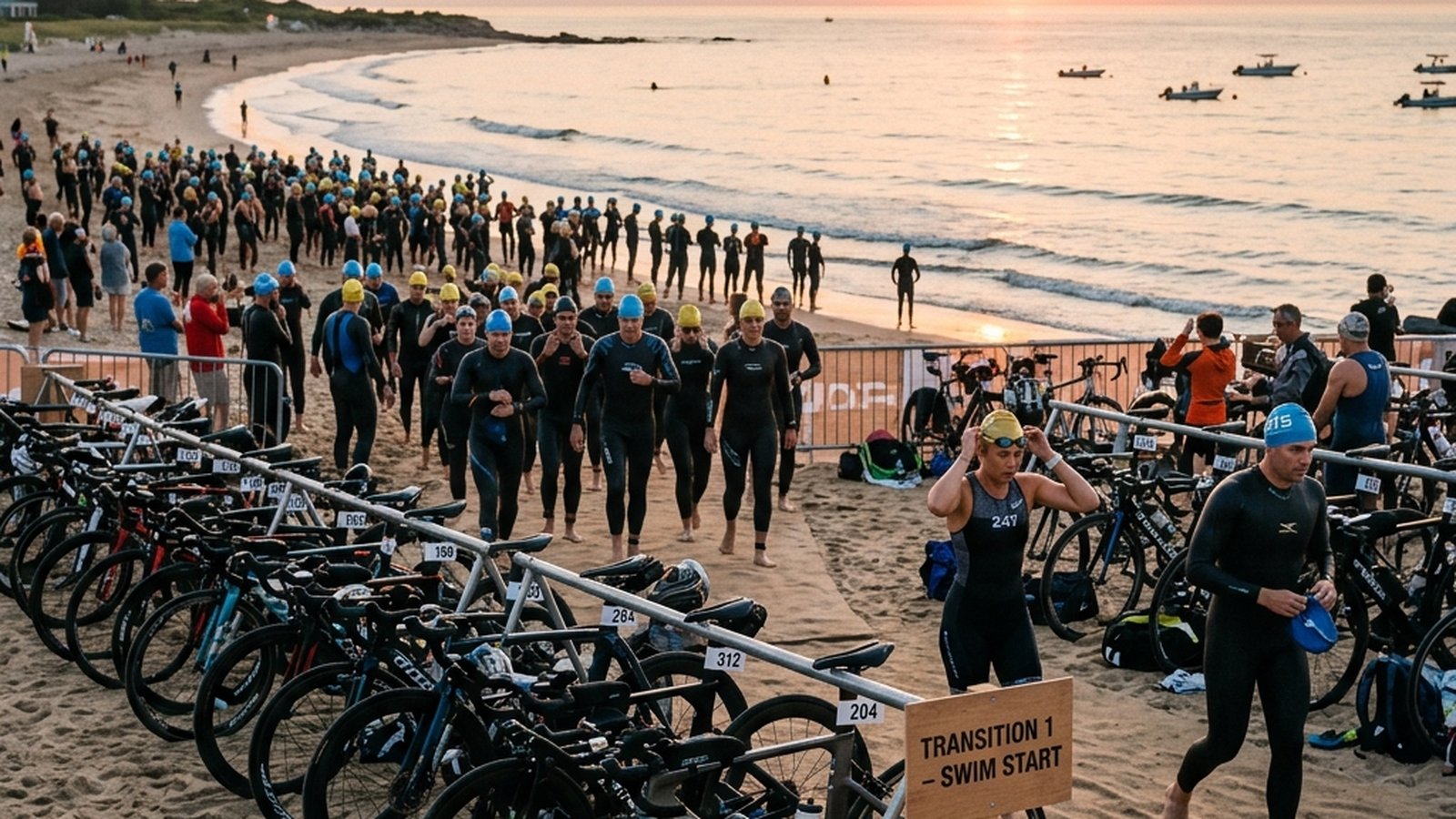
- Transition zone: typically set up at Beach Area 1 parking lot or adjacent grass area. Athletes’ gear staged for T1 (swim-to-bike) and T2 (bike-to-run).
- Bike course: rural roads through the Wasaga-Stayner-Sunnidale area. Gentle terrain, low traffic, predictable surfaces.
- Run course: Beach Drive boardwalk plus adjacent paved paths. Flat, scenic, well-marked for race-day signage.
- Finish: typically at the transition zone, with finishing chute and post-race recovery area.
The course features make Wasaga triathlons unusually beginner-friendly: the swim is sheltered and relatively warm; the bike has limited traffic and predictable terrain; the run is flat. This is a notable contrast to triathlons in more challenging venues with rougher water, hilly bike courses, or complex run terrain.
A 12–16 week first-time triathlon training plan
For an adult with reasonable baseline fitness (can swim 100 m without rest, bike 30 minutes continuously, run 5 km without walking) starting a Sprint-distance triathlon training plan:
Weeks 1–4: Base building
- 2× per week swim: 30 minutes of pool swimming, focus on technique. 200 m segments with rest.
- 2× per week bike: 45–60 minutes outdoor or stationary, easy pace, building distance.
- 2× per week run: 30–40 minutes easy pace, 4–6 km.
- 1× combined session: brick workout (bike-then-run) of 30 min bike + 15 min run.
- 1× per week strength training: 30 minutes covering full body, supports injury prevention.
- Total weekly volume: 6–8 hours of training.
Weeks 5–8: Sport-specific build
- Swim: 2–3× per week, 30–45 minutes; introduce open-water sessions if water has warmed.
- Bike: 2× per week, building to 60–75 minutes; one quality session (intervals or hills).
- Run: 2× per week, 30–45 minutes; one quality session (tempo or intervals).
- Brick: weekly, building from 30+15 to 45+20.
- Long ride: weekly outdoor ride covering or exceeding race distance (20+ km).
- Strength: 1–2× per week.
- Total weekly volume: 7–9 hours.
Weeks 9–12: Race-specific work
- Swim: 2–3× per week with 1 open-water session per week. Practice race-pace efforts.
- Bike: 2× per week including race-pace tempo work.
- Run: 2× per week including 1 quality session and 1 brick run.
- Brick: weekly; longest brick covering or exceeding race-bike + race-run distance.
- Transition practice: monthly practice of T1 and T2; setup gear, practice movement sequence.
- Strength: 1× per week, reduced volume in race weeks.
- Total weekly volume: 8–10 hours.
Weeks 13–16: Taper and race
- Weeks 13–14: maintain training intensity; reduce volume by 20%.
- Week 15: reduce volume by 40%; maintain intensity in shorter sessions.
- Race week (week 16): minimal volume, sharp short sessions; one rest day before race day.
- Race day: execute the plan; respect the race-day variables (weather, equipment, fueling).
The progression accommodates working-adult schedules; total weekly hours peak at 8–10 with 6–8 sessions per week. More serious athletes may train 12–15 hours weekly; less time-available athletes can complete a Sprint with 5–6 hours weekly if focused.
Transitions: T1 and T2
The transitions are often called “the fourth discipline” of triathlon. Smooth transitions can save 1–3 minutes in a Sprint race — meaningful for placement. Slow or chaotic transitions can also waste minutes and energy at the start of subsequent legs.
T1 (swim to bike):
- Exit water at the swim finish; remove cap and goggles while running to transition.
- Wetsuit removal: down to waist while running, then to the transition area.
- Quick towel-off feet to remove sand and debris.
- Apply socks (if using), bike shoes, helmet (helmet must be on before mounting bike).
- Sunglasses, race number, gloves if used.
- Mount bike at the marked exit point; clip in once safely riding.
T2 (bike to run):
- Approach transition zone, dismount before the marked dismount line.
- Rack bike, remove helmet (some races require helmet stay on; check rules).
- Switch from bike shoes to run shoes; some athletes use elastic laces for speed.
- Take race number around to front; visor or hat as desired.
- Exit transition area; begin running toward the finish.
Transition practice involves rehearsing the sequence repeatedly until it’s automatic. Many local triathlon clubs offer transition practice sessions; for solo training, a parking lot or driveway works fine.
Open-water swim preparation
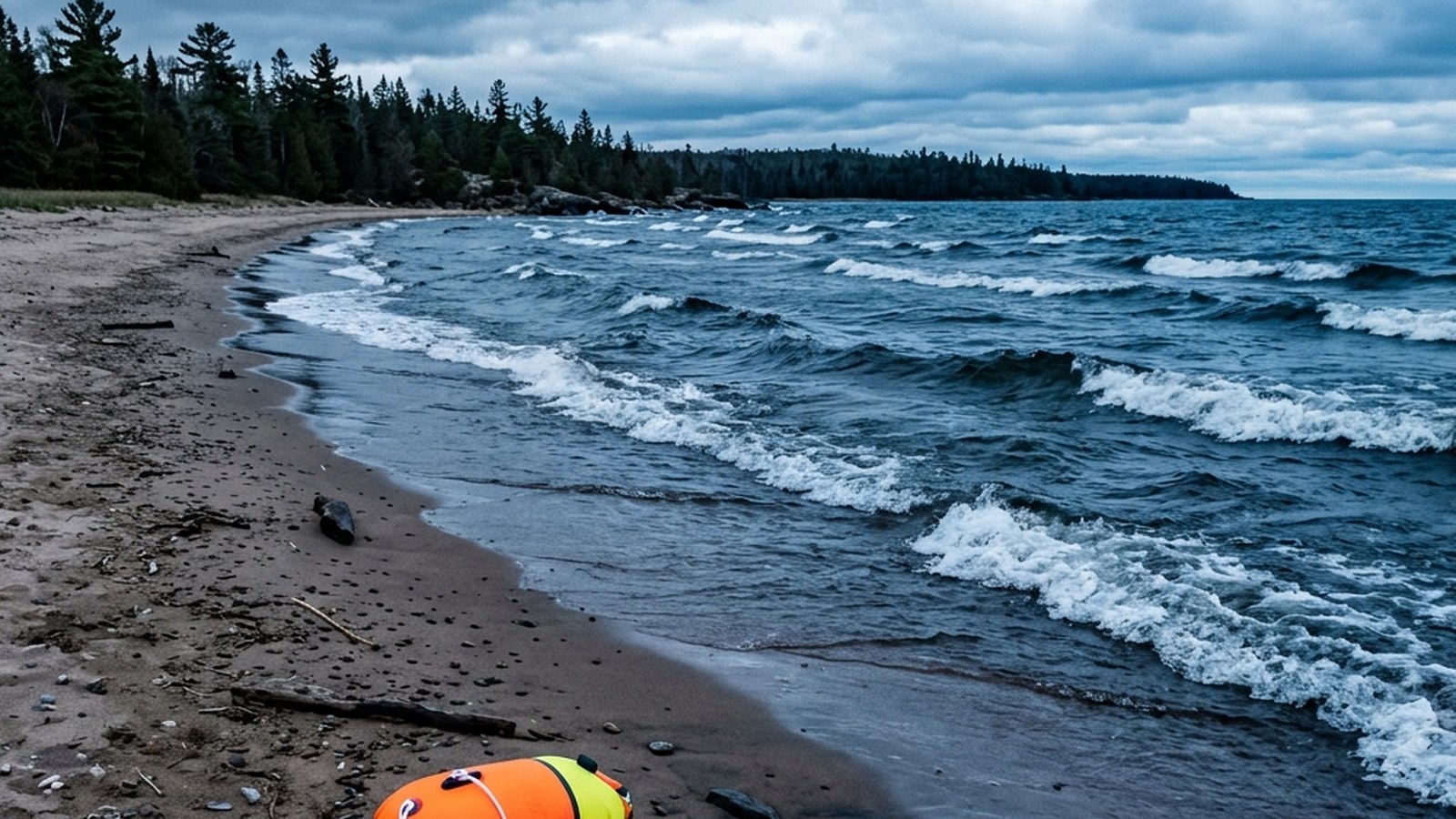
The Wasaga swim leg is in Bay water at Beach Area 1. Specific preparation considerations:
- Open-water swim sessions: at minimum 4–6 sessions in open water before race day. Practice in race-similar conditions if possible.
- Wetsuit familiarity: wear your wetsuit in open-water training before race day. New wetsuits chafe in unexpected places.
- Sighting practice: open-water swimming requires occasional head lifts to sight buoys. Practice this skill in pool or at calm beach.
- Mass-start tolerance: triathlon swim starts can be chaotic; practice swimming in close proximity to others.
- Cold-water acclimation: race-day water may be 16–22°C; some discomfort is normal, but cold-water shock is a real risk.
- Goggles: tested model that doesn’t fog or leak. Bring spare goggles to race day.
- Cap: bright-coloured cap for visibility; race typically provides one for the event.
For open-water-swim safety, review the Georgian Bay swim safety guide for the broader protocol around currents, exit discipline, and weather windows.
Bike leg preparation
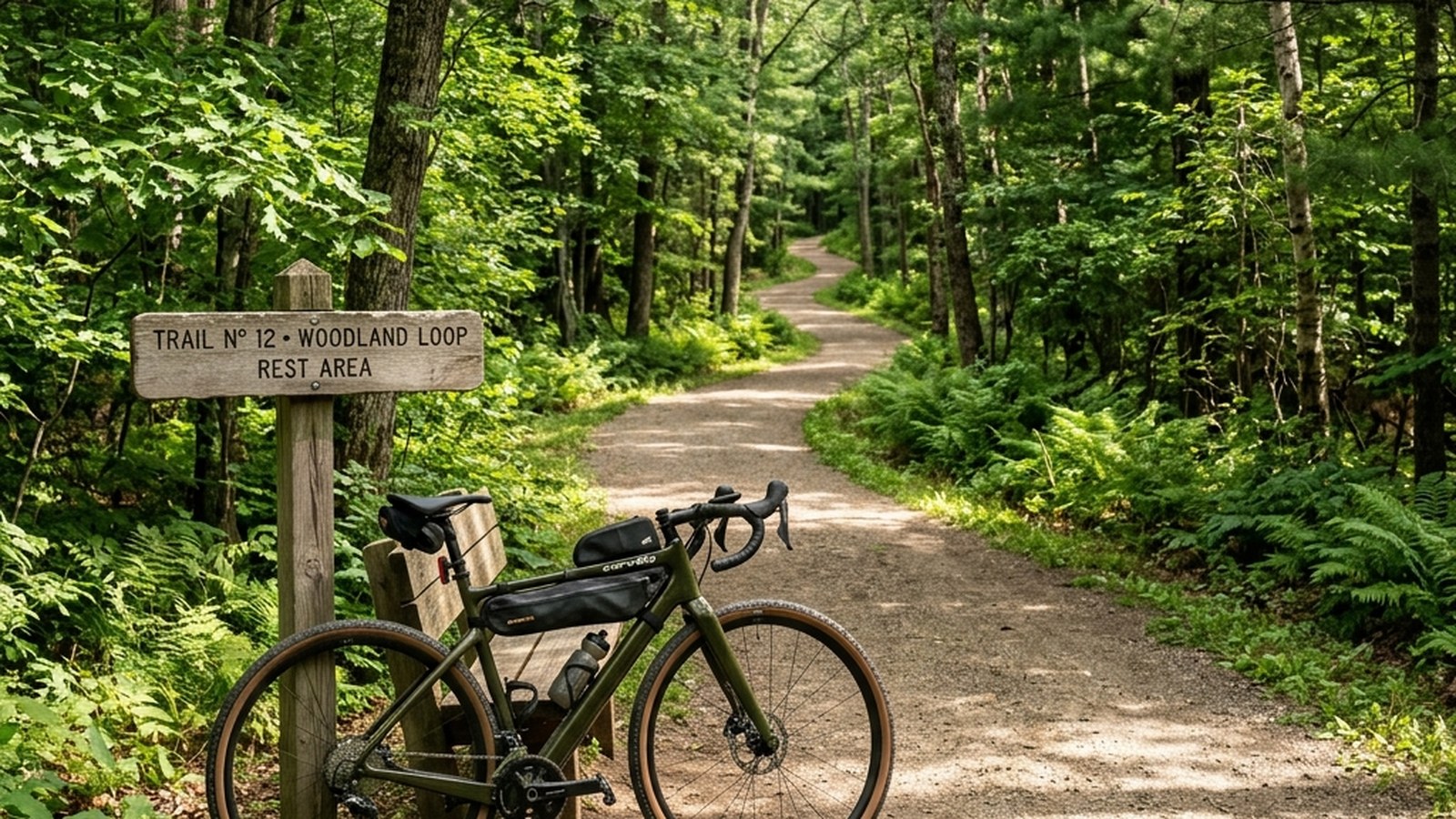
The Wasaga triathlon bike course uses rural roads, typically 20–40 km depending on race distance. Preparation:
- Bike fit: a properly-fitted bike prevents the back, neck, and knee issues that can derail a triathlon. Spend the budget on a professional bike fit.
- Mechanical reliability: bike inspected before race week. Bring a frame pump, spare tube, and basic repair tools.
- Gear review: helmet (mandatory; can’t race without it), jersey or tri suit, gloves, sunglasses, water bottles in cages, race number.
- Course familiarisation: ride the actual course at least once before race day to learn the route, road surface, and typical traffic.
- Aero positioning: aero bars (clip-ons) are common for triathlon. Practice riding on them; they shift hand position and balance.
- Fueling: practice race-day fueling on training rides. Don’t experiment with new energy products on race day.
- Hydration: triathlon bike legs produce significant fluid loss; plan 500–750 ml per hour of fluid intake.
Run leg preparation
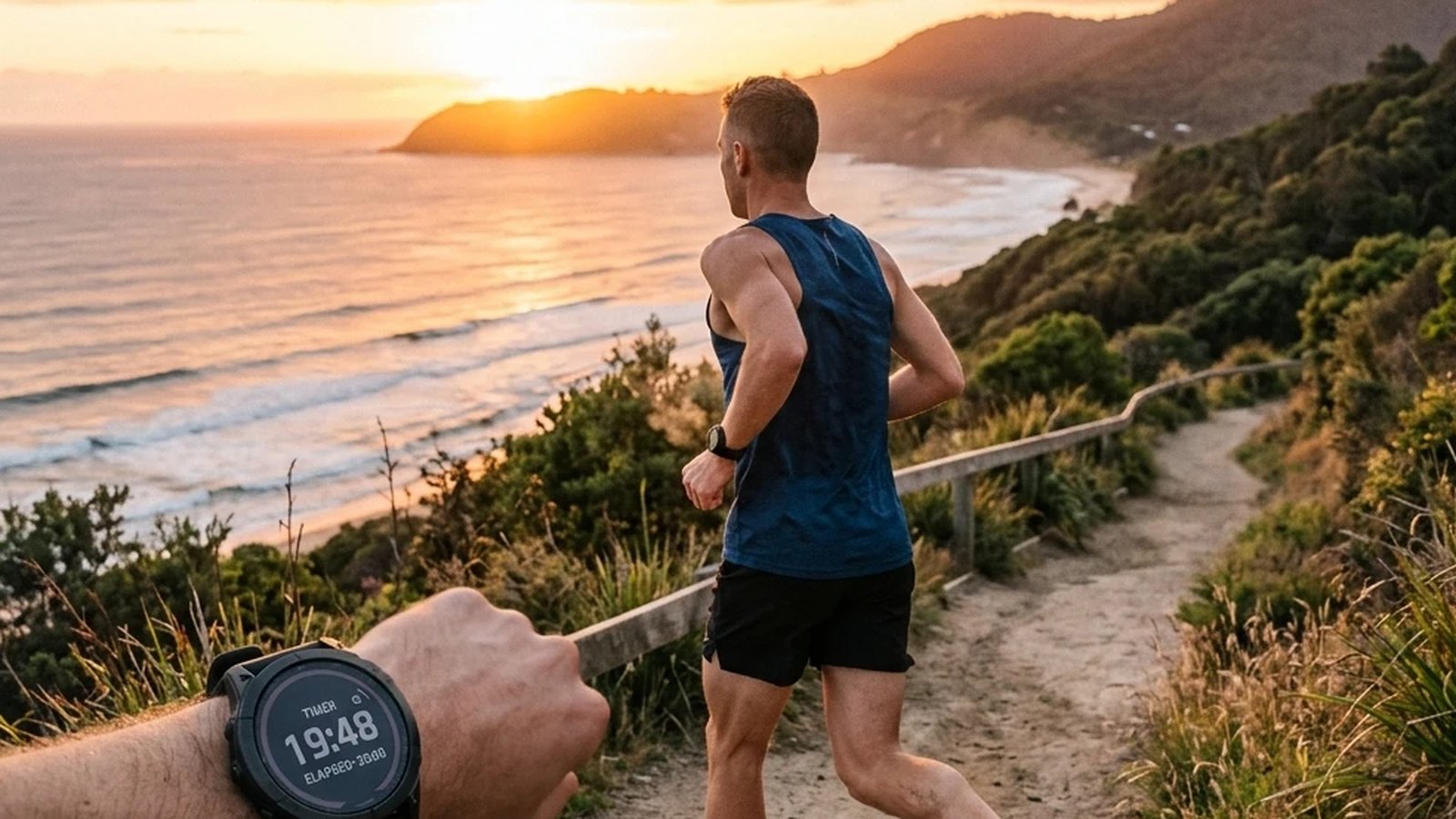
The Wasaga run leg is on the Beach Drive boardwalk and adjacent paths. Preparation:
- Brick training: bike-then-run sessions develop the leg-feel adaptation that triathlon demands. Many first-timers find the run after the bike feels strange (heavy legs, unfamiliar gait).
- Race-pace running: practice running at expected race pace on tired legs (after a hard bike effort).
- Fueling and hydration during run: the run is shorter than the bike; less fueling required, but hydration matters.
- Run gear: comfortable run shoes, run socks (or none), tri suit allows seamless transition from bike, race belt for bib number.
- Pace strategy: many first-time triathletes start the run too fast (relief from bike); discipline conservative early-run pace, build through the second half.
Race-day logistics
Race-day preparation matters more than people expect:
- Arrive early: 90–120 minutes before start. Use the time for transition setup, equipment check, warm-up.
- Body marking: race officials write your race number on arms or legs.
- Transition setup: organise your gear in the transition area. Practice the sequence at home; replicate on race day.
- Fueling: standard breakfast 2–3 hours before start; small snack 30–60 minutes before. Don’t experiment with race-day food.
- Warm-up: 10–15 minutes of light jog, light spin, and a brief swim before the start.
- Mental preparation: visualise the swim start, T1, bike, T2, run, finish.
- Equipment check: tire pressure, helmet straps, shoe fit, water bottles, race number, timing chip.
- Pre-race meeting: attend the race briefing for course updates and rule reminders.
Local Wasaga triathlon resources
- Wasaga Triathlon series: the local race series; check current event schedule and registration.
- Triathlon Ontario: provincial governing body with event listings and athlete resources.
- Triathlon Canada: national governing body.
- Local triathlon clubs: Collingwood, Barrie, Wasaga clubs offer training group sessions and coaching.
- Local fitness centres: pool access, structured training sessions, occasional triathlon-specific clinics.
- Bike shops: bike fit, bike maintenance, race-day equipment.
- Coaching: local triathlon coaches offer plan review, in-person coaching, and race preparation.
Practical takeaways
- Wasaga triathlon courses are beginner-friendly: sheltered swim, gentle bike terrain, flat run.
- 12–16 weeks of preparation for a Sprint-distance triathlon for adults with baseline fitness.
- Transitions matter: practice T1 and T2 sequences until automatic; saves minutes and reduces race-day chaos.
- Open-water swim sessions are mandatory in preparation: minimum 4–6 sessions in similar conditions.
- Bike fit, helmet, race-tested fueling are non-negotiable equipment factors.
- Local clubs and coaches support first-time triathletes; the community is welcoming to newcomers.
References
Bentley et al. 2002Bentley DJ, Millet GP, Vleck VE, McNaughton LR. Specific aspects of contemporary triathlon: implications for physiological analysis and performance. Sports Med. 2002;32(6):345-359. View source →Rodrigues 2018Rodrigues AM, et al. Training distribution profile in elite triathletes. J Sports Sci. 2018;36(15):1788-1795. View source →Triathlon CanadaTriathlon Canada — National governing body for triathlon in Canada. View source →Triathlon OntarioTriathlon Ontario — Provincial governing body for triathlon in Ontario. View source →Lifesaving SocietyLifesaving Society of Canada — Open-water swimming safety guidance. View source →