The 60-second version
November in Wasaga is the climate transition month: outdoor activity contracts as cold rain, fading daylight, and the early-snow possibility limit reliable training windows, while indoor and pre-winter activities ramp up. It’s also the month most local fitness routines either thrive or stall out for the rest of the year — the people who pivot intentionally to the November pattern keep momentum into December and through winter; those who don’t typically lose 4–8 weeks of fitness before re-engaging in January. The protocol that works: shift the cardiovascular base to indoor cardio (treadmill, indoor bike, indoor pool, elliptical) for the cold and rainy days, exploit the windows of dry above-freezing weather for outdoor runs and walks, scout the local Nordic Centre and snowshoe-trail openings, and add deliberate strength training as the indoor-routine anchor. The Wasaga Nordic Centre typically opens in late November or early December as snow accumulates; this is the trigger for winter-outdoor activity to begin.
November weather: variable and contracting
November in Wasaga has the most variable weather of any month:
- Average daily high: 8–11°C in early November, falling to 2–5°C by month-end. Above-freezing days are dominant but not exclusive.
- Average daily low: 2–5°C early; -3 to 0°C late. Below-freezing nights become the norm by mid-month.
- Sun: declining to annual minimum. Daylight contracts to ~9 hours by month-end.
- Humidity: relatively low; drier air than summer. Cold rain is the dominant precipitation form.
- Wind: storm systems frequent. November storms produce strong winds that affect outdoor activity comfort.
- Rain: 70–100 mm typical, with cold-rain events. Cold-and-wet is the unpleasant condition that drives indoor pivot.
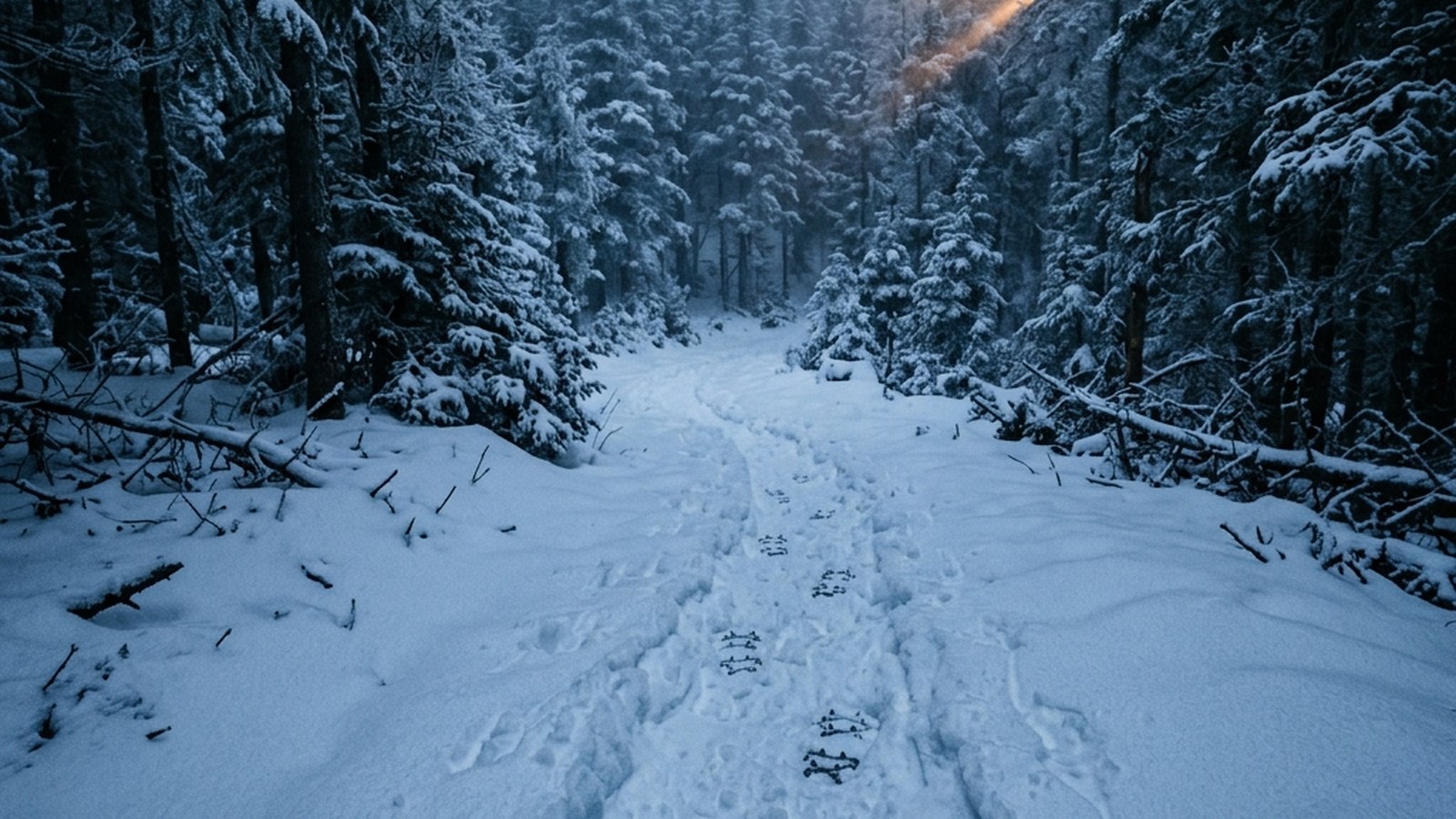
- First snow: typically late November in central Ontario; lake-effect snow possible from mid-November onward.
- Lake water temperature: 8–13°C through November. Below cold-water swimming threshold for casual users; serious cold-water swimmers continue with full wetsuits.
The practical implication: outdoor activity remains feasible on dry days but unreliable enough that indoor alternatives need to exist. The November sky is also more frequently overcast than other months, which affects mood and motivation.
The November indoor pivot
Most local fitness practitioners need to add indoor cardio capacity in November:
- Indoor pool training: regional indoor pools (Stayner, Collingwood, Barrie) become the swimming alternative as outdoor swimming ends. Lap-swimming sessions of 30–60 minutes, 2–3 times per week, maintain swim fitness.
- Treadmill running: gym-based or home treadmill use replaces outdoor running on rain or icy mornings. The interval-friendly setting (constant pace, immediate adjustment) makes the treadmill productive for quality work.
- Indoor cycling: spin classes, stationary bike, or smart trainer at home. The structured-workout format compensates for the lost spontaneity of outdoor riding.
- Elliptical and rowing: low-impact alternatives that work the cardiovascular system without the joint loading of running. Useful for trainees with overuse symptoms accumulated from summer-fall running.
- Group fitness classes: indoor cycling, HIIT, dance fitness, yoga, pilates — the social class environment provides motivation that solo indoor training often lacks.
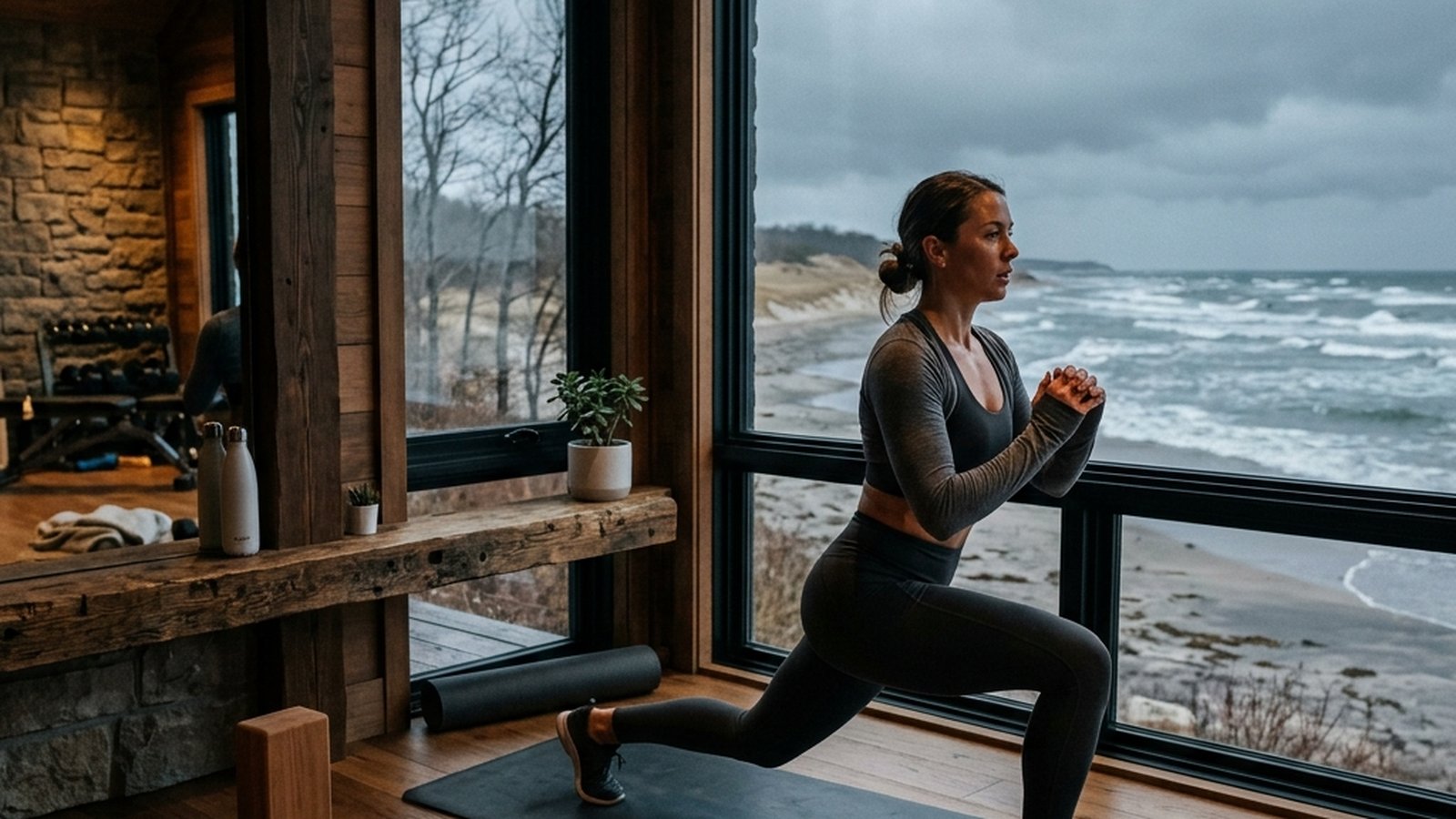
- Strength training: November is the natural strength-block month. Reduced cardio volume creates room for 3–4 strength sessions per week building toward the winter goal.
The pattern that works for most: 2–3 indoor cardio sessions per week (treadmill, bike, swim, group class), 2–3 strength sessions per week, plus 1–2 outdoor sessions on the dry days that the month provides.
November as strength-block month
November’s climate-driven shift away from outdoor cardio creates a natural calendar opportunity to emphasise strength training. The published periodisation literature consistently shows benefits to a deliberate strength block of 8–12 weeks for most general-fitness populations.
A practical November-December strength block:
- 3 strength sessions per week: full-body sessions or upper-lower split, depending on time and goal.
- Compound lifts as the anchor: squat or hip-hinge variation, push (bench press or overhead press), pull (row or pull-up), single-leg work (split squat or step-up). 3–5 sets of 5–10 reps per exercise.
- Progressive overload: small weekly weight increases. Track in a notebook or app.
- Accessory work: 10–15 minutes per session of stabilisers, mobility, or weak-link strengthening.
- Recovery: minimum 48 hours between heavy sessions on the same muscle group; sleep and nutrition support the training.
- Maintenance cardio: 2–3 cardio sessions per week to retain aerobic base. Don’t abandon cardio entirely; you’ll need it back in spring.
The November-December strength block produces measurable strength gains by January-February that, combined with maintained aerobic base, make spring outdoor activity feel notably easier. It’s the seasonal pattern that most experienced local trainers recommend.
When the weather cooperates: outdoor November activity
Not every November day is grey-and-rainy. The dry, above-freezing days that occur 8–15 times in the month are valuable training opportunities:
- Easy-pace runs on the Beach Drive boardwalk: surface remains good through November in most years. Early morning runs in 3–7°C dry conditions are pleasant and uncrowded.
- Hiking on the trail system: Tiny Marsh, Wasaga Provincial Park, and Pretty River are accessible and quiet. The bare-canopy forest provides different scenery than autumn colour: long sightlines, visible wildlife, pre-snow landscape.
- Cycling the Georgian Trail: feasible on dry days; cool air supports comfortable longer rides. Watch for occasional ice on shaded sections after frost.
- Walking with the dog: the cool weather is comfortable for both human and dog; longer walks become possible without summer heat-stress on the dog.
- Photography hikes: the late-autumn landscape has its own visual interest separate from peak colour.
The decision rule that works: check the morning forecast; if dry and above 0°C, prioritise outdoor activity even at the cost of disrupting an indoor routine. The opportunity-cost of the rare clear day is high.
The Nordic Centre opening signal
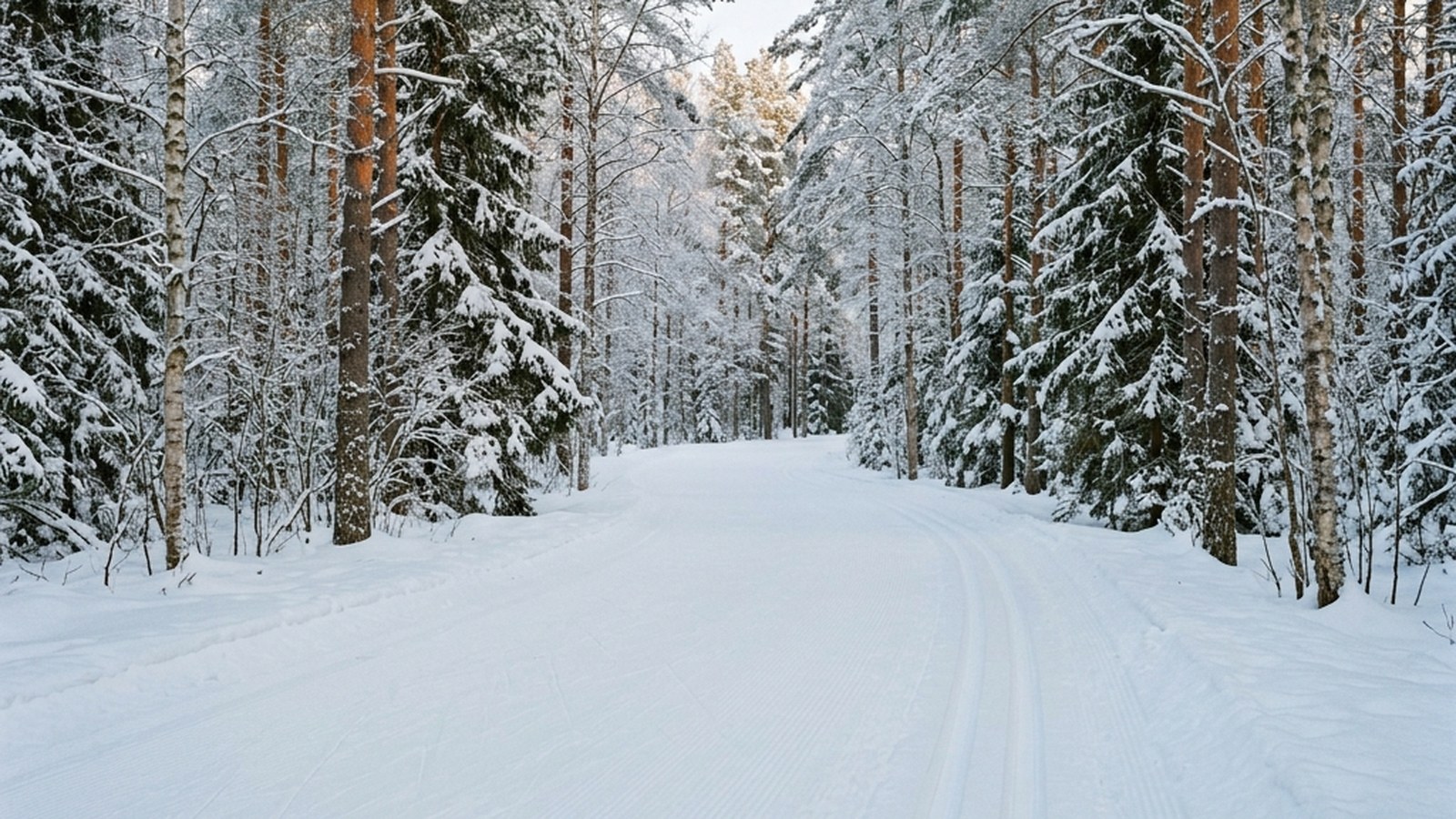
The Wasaga Nordic Centre (and Blue Mountain Nordic facilities) typically open for cross-country skiing as snow accumulates — usually late November or early December. The opening signal:
- 15–20 cm of stable snow is the typical operational threshold for groomed cross-country trails.
- Below-freezing temperatures consistent enough to maintain snow cover.
- The Nordic Centre’s opening announcement typically through the Town of Wasaga Beach Recreation department or the Nordic Centre’s social media.
For local cross-country skiers, November is the equipment-prep and conditioning-prep month:
- Equipment check: skis, poles, boots, bindings inspected and serviced. Wax tested before the first outing.
- Roller-skiing as conditioning: experienced cross-country skiers continue their conditioning on roller skis through November on dry-pavement days.
- Strength and core work: the upper-body and trunk demands of cross-country skiing benefit from the November strength block.
- Skin and clothing prep: ski-specific layers tested in cold-weather walks before the first ski outing.
- Permit and pass: season passes for the Nordic Centre or Blue Mountain become available; budget accordingly.
For non-skiers, November is the time to consider whether to add Nordic skiing or snowshoeing as a winter activity. The Nordic Centre offers learn-to-ski programs that work well for adult beginners.
November mental health: SAD and the dark-month challenge
November in central Ontario produces the largest single-month decline in daylight hours (~3 hours less daylight at month-end vs. month-start). For some people, this triggers seasonal affective disorder (SAD) symptoms. The published evidence on SAD prevention and management:
- Outdoor exposure during daylight: even cloudy outdoor light is brighter than indoor lighting and supports circadian rhythm. A 30-minute walk during midday produces meaningful effects.
- Bright light therapy: 10,000 lux light box for 20–30 minutes in the morning is the gold-standard intervention. Effective for many but not all SAD cases.
- Vitamin D supplementation: declining sun intensity reduces endogenous vitamin D production. Most older Canadians benefit from 1,000–2,000 IU daily through winter.
- Exercise: regular aerobic exercise has independent antidepressant effects, particularly important during low-light months.
- Social connection: indoor isolation amplifies SAD; deliberate social activity (group fitness classes, walking with friends, community events) supports mood.
- Cognitive-behavioural awareness: recognise that November feelings of low energy or motivation are climate-driven for most people, not character defects. The pattern lifts in January-February as days lengthen.
For people with serious SAD symptoms, professional help (cognitive-behavioural therapy or medication consultation) is the right path. November is the right time to get ahead of the symptom progression rather than waiting for January when symptoms are at their worst.
A specific November protocol
Week 1 (early November, transition)
- 3× outdoor cardio if weather cooperates; otherwise indoor substitution.
- 3× strength training (start of the November-December block).
- 1× long outdoor outing on the dry day if available.
- Daily 15-minute outdoor walk for mental health and circadian regulation.
Week 2–3 (mid-November)
- 2× outdoor cardio (weather permitting).
- 2× indoor cardio (treadmill, bike, swim, or class).
- 3× strength training.
- 1× mobility or yoga session.
- Daily 15–30 minute outdoor walk.
Late November (Nordic Centre opening prep)
- Maintain the indoor cardio + strength pattern.
- Equipment prep for cross-country skiing or snowshoeing.
- Scout first-snow trail conditions for early-winter outdoor activity.
- Long outdoor outing: late-fall scenic hike if weather permits.
For Wasaga visitors in November
November is the low-tourist-season month, with both advantages and limitations:
- Dramatic accommodation pricing: typically 30–50% lower than peak rates.
- Empty everywhere: beachfront, trails, restaurants. The Wasaga that locals know.
- Variable weather: pack for wet, cold, and unpredictable conditions.
- Limited summer amenities: many seasonal restaurants and tourist services closed.
- Late-fall scenery: bare canopy provides different visual interest than peak colour.
- Spa and indoor wellness focus: the season for yoga retreats, cooking classes, indoor wellness.
For active tourists, November is more challenging than September or October but rewarding for the right traveller: weather-tolerant, wellness-focused, willing to pivot indoor when needed. Shoulder-season pricing makes it economically attractive.
Practical takeaways
- November is the climate transition month: outdoor activity contracts, indoor activity expands. The pivot determines whether momentum carries into winter or stalls.
- Indoor cardio capacity: pool, treadmill, bike, or class membership becomes essential.
- Strength block opportunity: November-December is the natural calendar for an 8–12 week strength block.
- Exploit the dry days: when November weather cooperates, prioritise outdoor activity.
- Nordic Centre prep: late November is when winter outdoor activity becomes possible. Equipment check and pass purchase.
- Mental health attention: declining daylight affects mood; daylight exposure, exercise, and social connection are the prevention.
References
Environment CanadaEnvironment Canada Climate Data — Wasaga Beach historical averages. View source →Rosenthal et al. 1984Rosenthal NE, Sack DA, Gillin JC, et al. Seasonal affective disorder: a description of the syndrome and preliminary findings with light therapy. Arch Gen Psychiatry. 1984;41(1):72-80. View source →Vitamin D GuidelinesHanley DA, et al. Vitamin D in adult health and disease: a review and guideline statement from Osteoporosis Canada. CMAJ. 2010;182(12):E610-E618. View source →Ontario Parks — WasagaOntario Parks. Wasaga Beach Provincial Park — visitor and seasonal information. View source →Cross-Country CanadaCross-Country Canada — Sport governing body and resources. View source →