Training & Exercise
How the body adapts to deliberate, structured movement — cardio, strength, intervals, and the active life that surrounds them. Every claim cited to peer-reviewed source.
 Training & Exercise
AI Fitness Apps vs. Personal Trainers
AI coaching has improved fast, but the evidence still favours in-person trainers for most adults - primarily through adherence and technique…
 Training & Exercise
Acclimating from AC gyms to outdoor heat: the research-backed protocol
Heat-acclimation physiology, the 7-14 day adaptation curve, and the early-warning signs that distinguish real progression from heat-stroke r…
 Training & Exercise
Active Pet Play and Daily Movement
Dog ownership is associated with a 24% reduction in all-cause mortality - not because dogs are magic, but because they force daily walks. Th…
 Training & Exercise
Animal Flow Workouts: What They Are, Who They’re For
Ape walks, beast holds, scorpion reaches, transitions strung to music. Animal Flow draws from gymnastics, parkour, and yoga. The peer-review…
 Training & Exercise
Barefoot Running: Evolutionary Advantage or Fast Track to Injury
Lieberman’s 2010 Nature paper made barefoot running a movement. The biomechanics are real - but the injury data are complicated. What …
 Training & Exercise
Barefoot lifting vs beach training: what each surface trains
Why barefoot lifting on a stable floor is not the same biomechanical input as barefoot training on sand, and where each genuinely belongs in…
 Training & Exercise
Beach calisthenics: pull-ups on the boardwalk
Why outdoor calisthenics builds different strength than gym pulldowns, the bar-availability hack, and a progression that gets adults to a cl…
 Training & Exercise
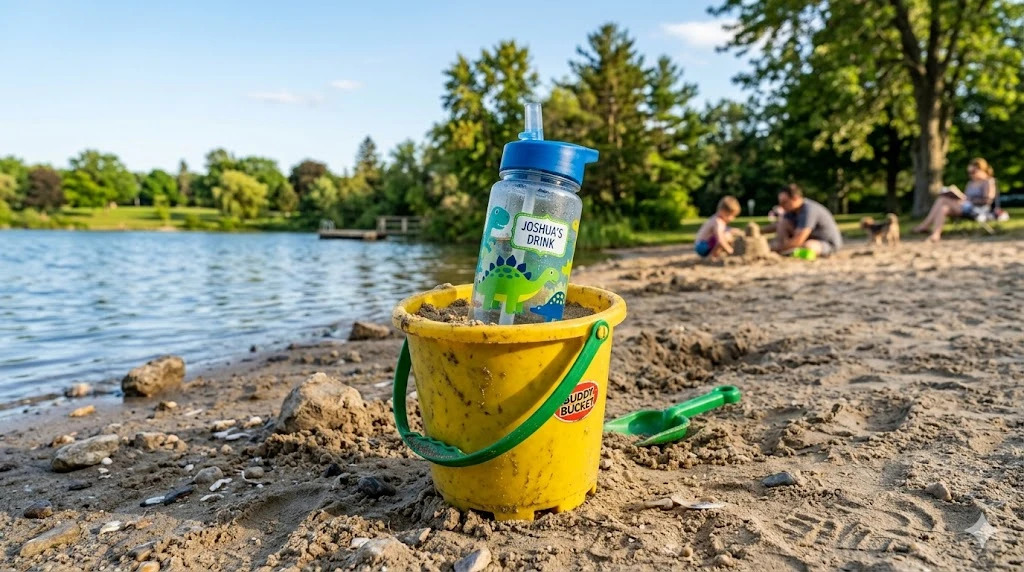
Beach tennis agility: what the lateral-cutting research supports
Why beach tennis approximates the multi-directional demands of court sport, the ankle-load research, and a beach-tennis conditioning case.
 Training & Exercise
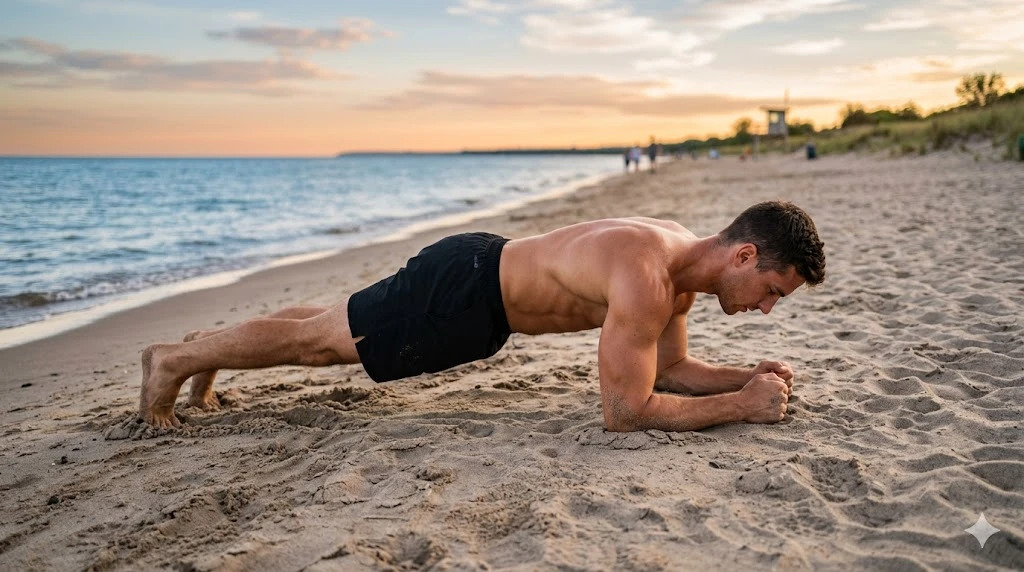
Bodyweight core training on sand: planks, dead bugs, and the unstable-surface premium
Why sand-surface core work outperforms mat-surface, the EMG evidence, and a 10-minute beach core circuit that respects the rectus-vs-deep-st…
 Training & Exercise
Cold Morning Runs: What 5 Years of Cold-Exposure Research Actually Says
Running before sunrise in winter feels like an act of will. The published evidence on cold-weather cardio is actually generous to the practi…
 Training & Exercise
Cold-Water vs. Warm-Pool Swimming: How Temperature Changes the Workout
Both are excellent exercise. The water just changes which body system gets stressed. Cold water builds metabolic flexibility and resilience …
 Training & Exercise
Cozy Cardio: The Most Underrated Form of Fitness for Adults Who Currently Do Nothing
Walking pads, soft clothes, a coffee, a show. The peer-reviewed evidence on low-intensity, accumulated walking is remarkable: each 1,000 dai…
 Training & Exercise
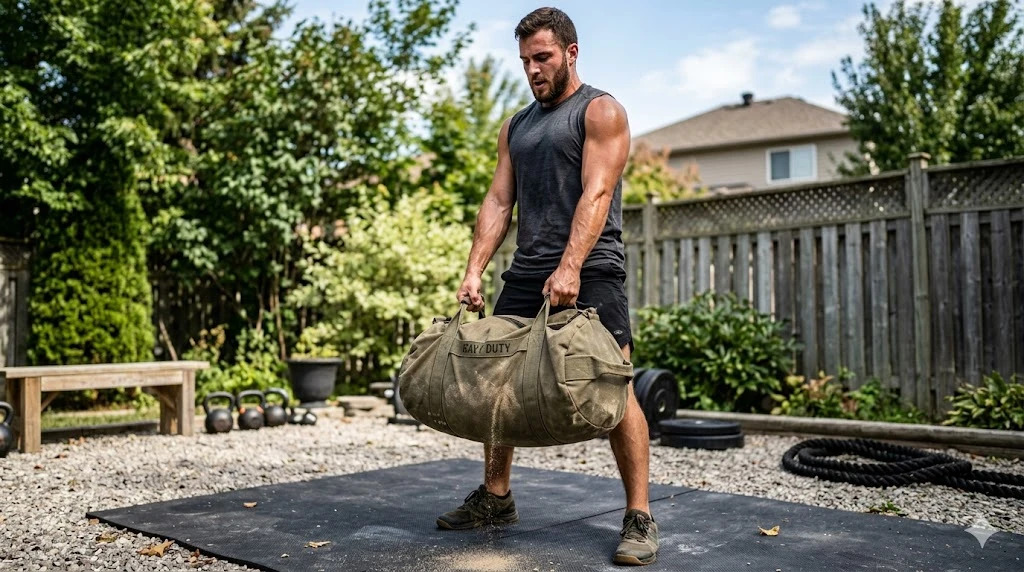
DIY sandbag training for hypertrophy: the unstable-load case
Why a DIY sandbag delivers a hypertrophy stimulus most $300 implements don't, the construction details that make it last, and a 4-week mass-…
 Training & Exercise
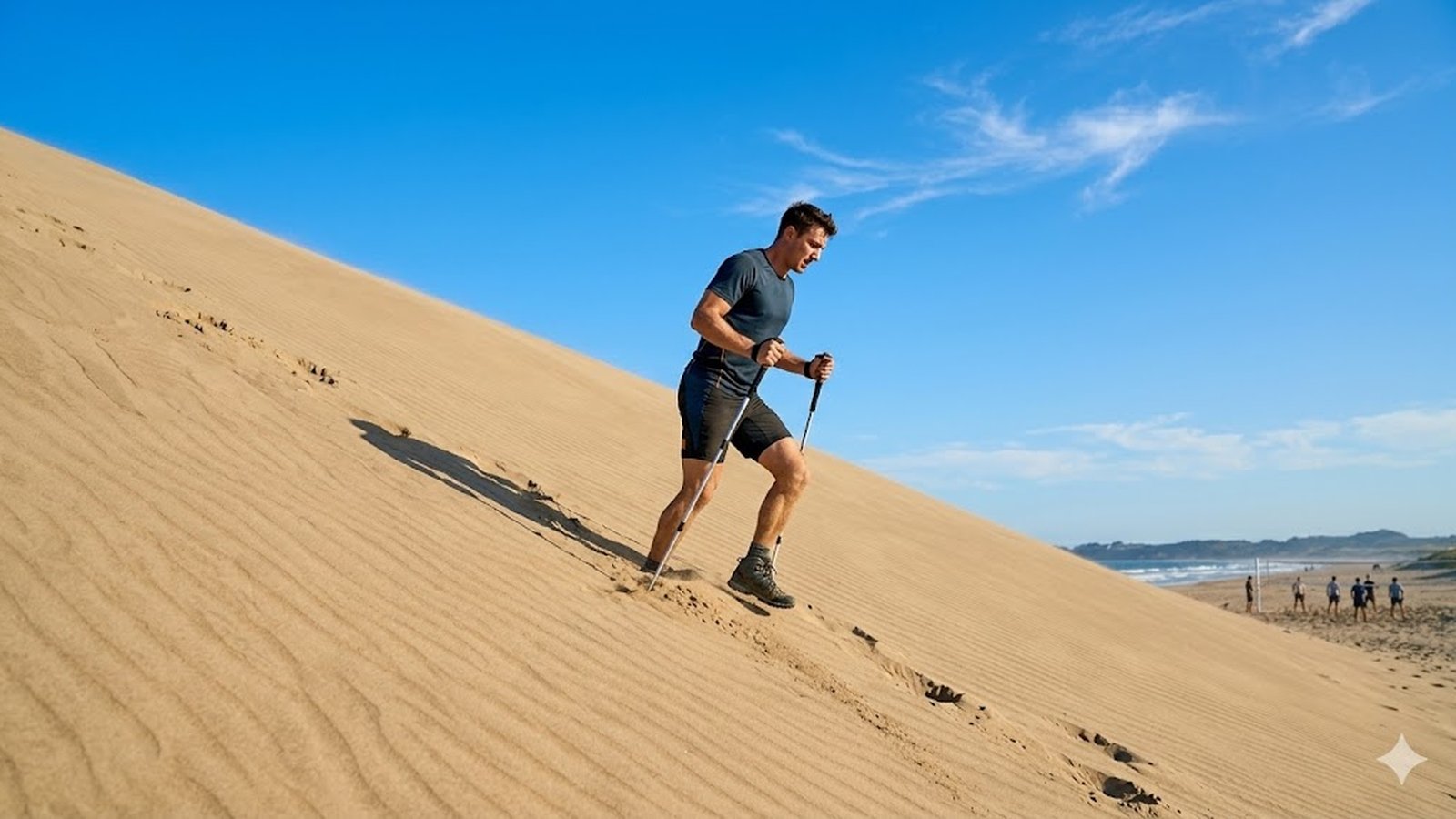
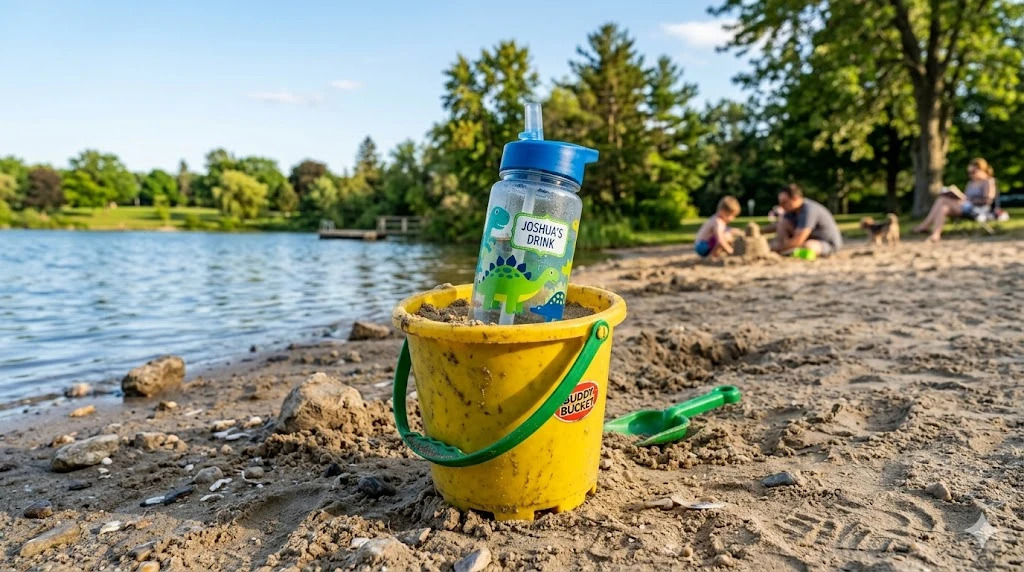
Dune climbing for glute activation: what hill running studies actually show
Sand-dune ascents recruit gluteal muscles harder than flat-ground sprints. The mechanism is biomechanical, not magical.
 Training & Exercise
Frisbee agility drills: cutting, catching, and the COD literature
Why frisbee approximates the change-of-direction demands of court sport, the COD-research support, and a 30-minute beach drill protocol.
 Training & Exercise
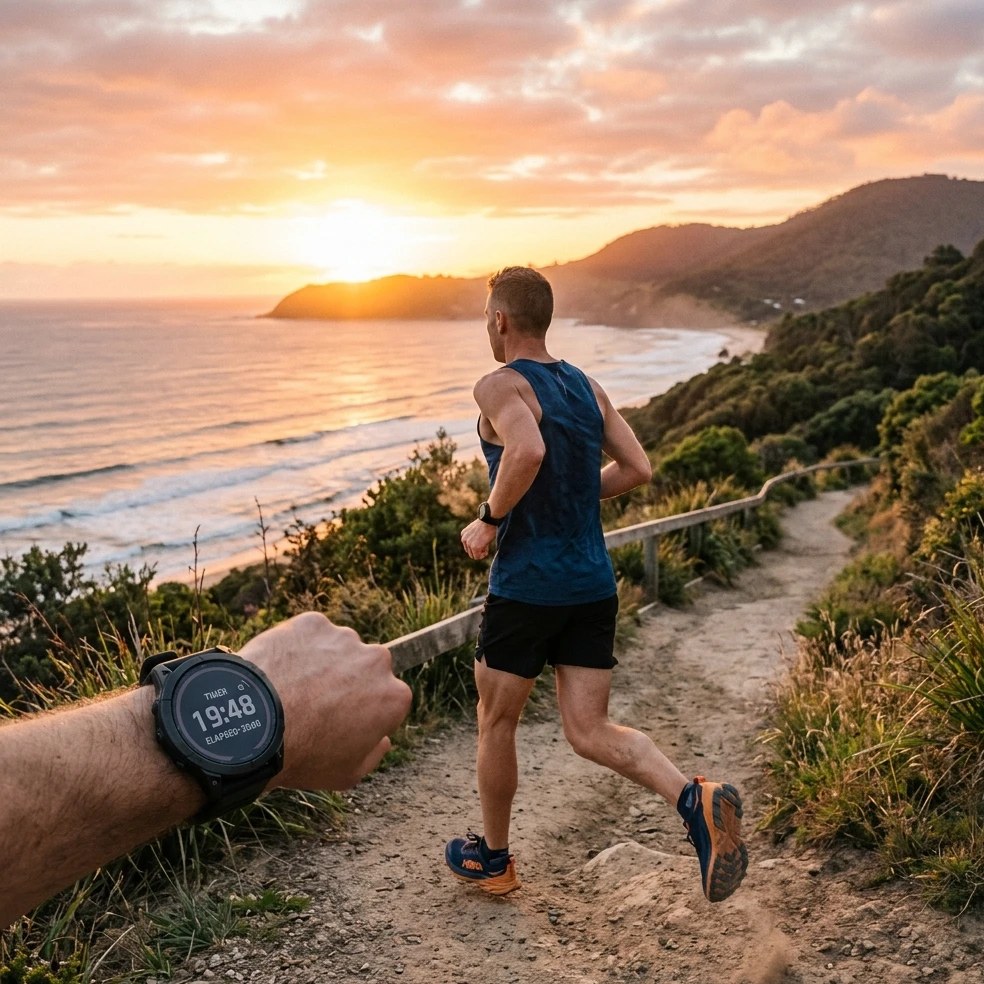
How to Train for a 5K with Only 20 Minutes a Day
Cardiovascular adaptations needed for a respectable 5K are intensity-driven, not volume-driven. What the peer-reviewed evidence on low-volum…
 Training & Exercise
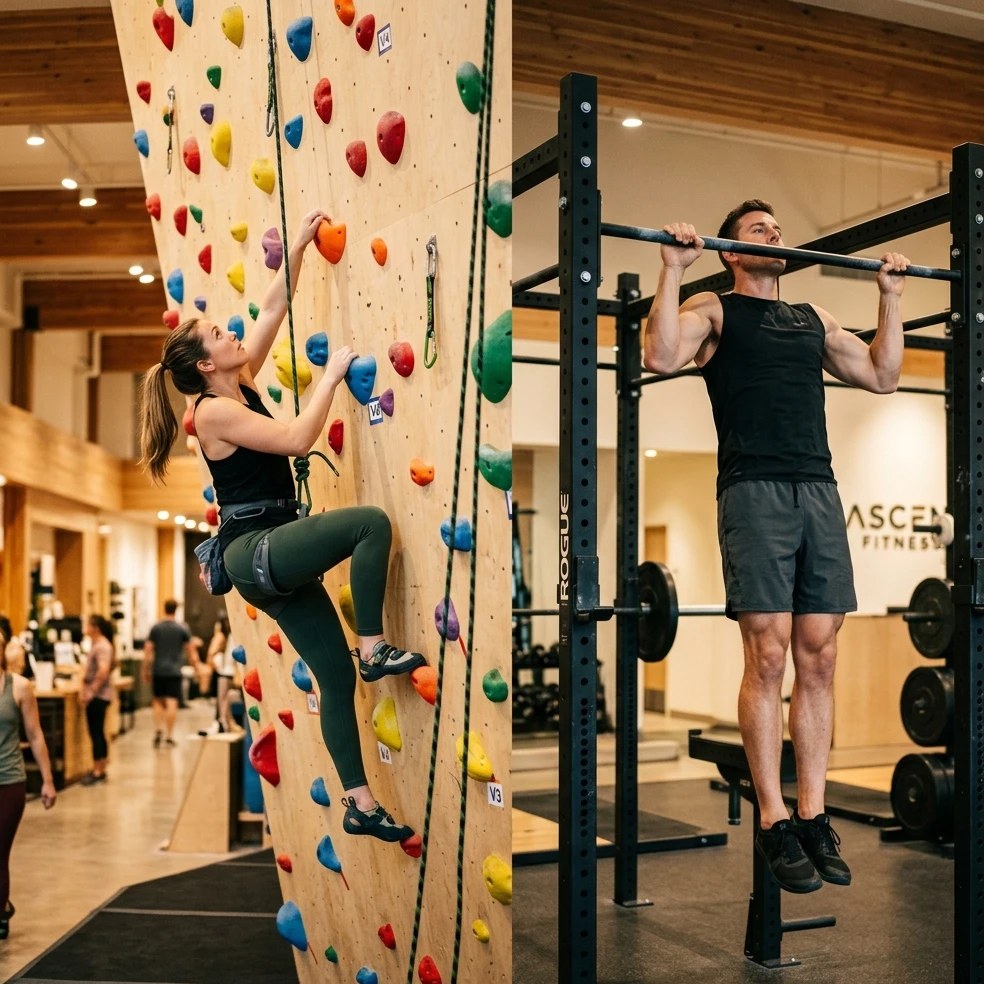
Indoor Rock Climbing vs. Traditional Gym Pull-Ups: What Each Actually Trains
Pull-up specialists often fail to hang from a 20mm climbing edge for 5 seconds. Elite climbers add 150-200% of body weight to a finger hang.…
 Training & Exercise
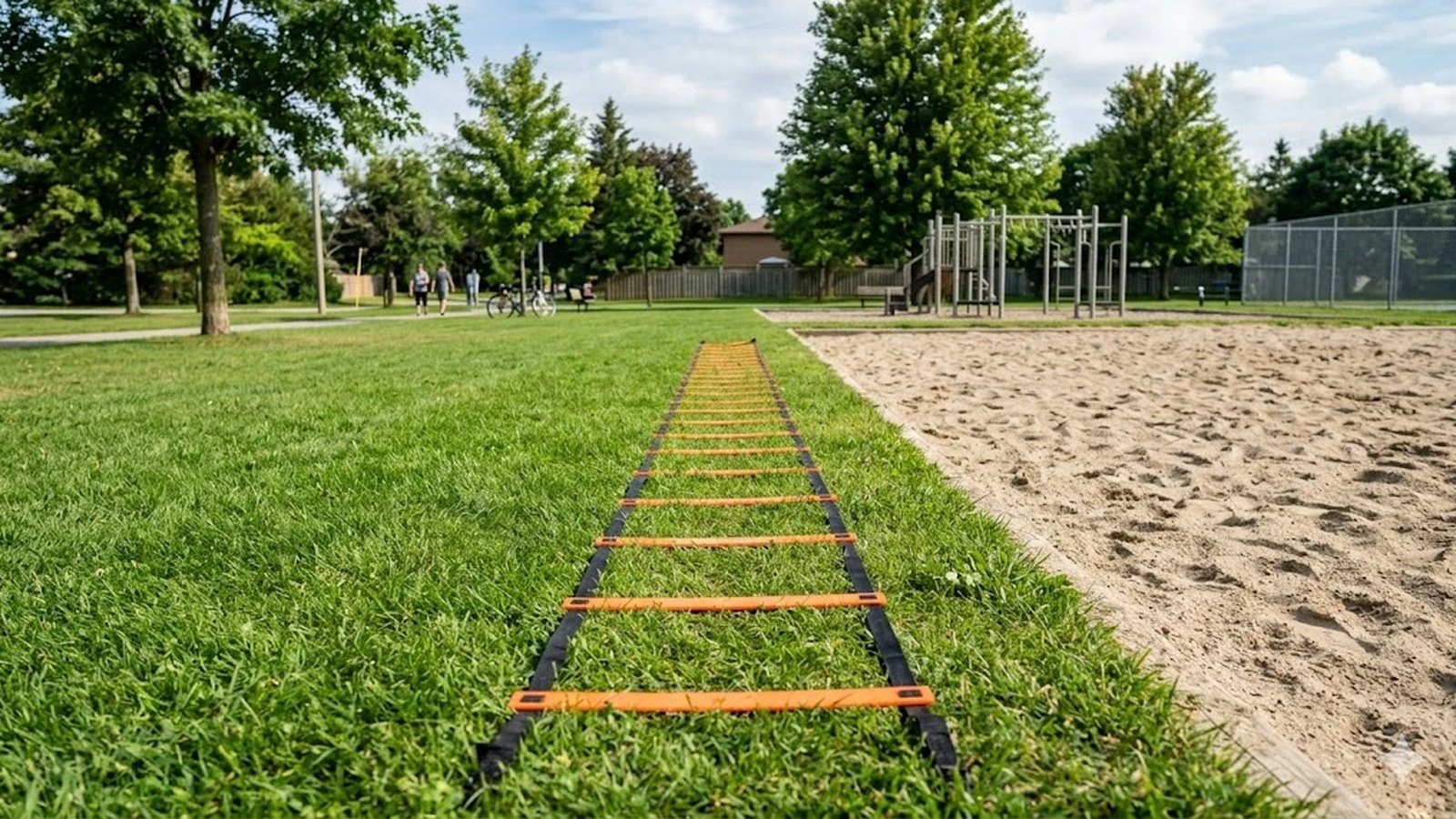
Isometric Holds: Building Serious Strength Without Moving a Muscle
Strength gains comparable to dynamic resistance training. Blood-pressure reductions comparable to first-line medications. Joint-friendly eno…
 Training & Exercise
Kettlebell swings by the shore: outdoor swing technique and the lower-back honesty
Why outdoor kettlebell training matches indoor for adaptation while changing the surface and feedback variables, the swing-vs-deadlift hip-h…
 Training & Exercise
Kettlebells in the sand: embracing the instability
Why kettlebell work on sand recruits more stabilisers than gym-floor swings, the energy-cost markup, and the technique adjustments that prev…
 Training & Exercise
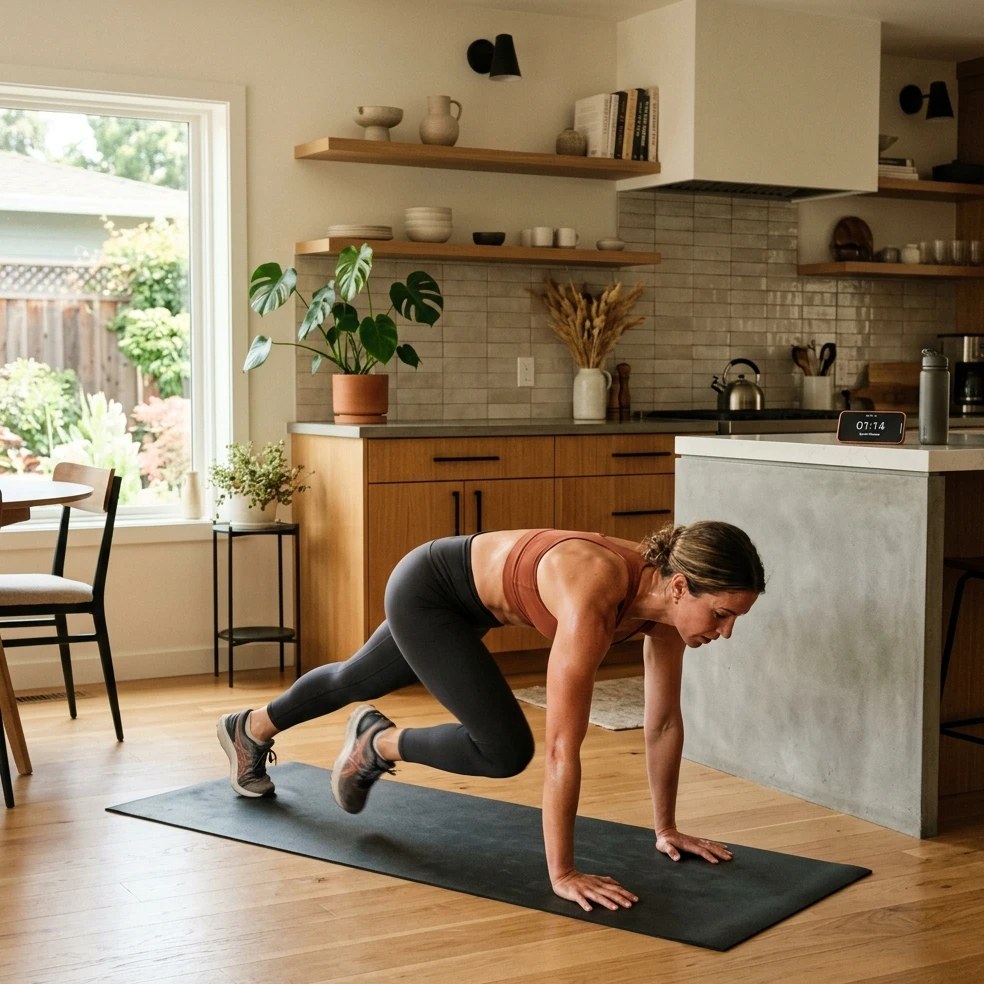
Micro-Workouts: 5 Minutes of Daily Movement
Stamatakis 2022 changed the dose-response conversation: 4-5 minutes of vigorous daily activity is associated with a 40% mortality reduction.…
 Training & Exercise
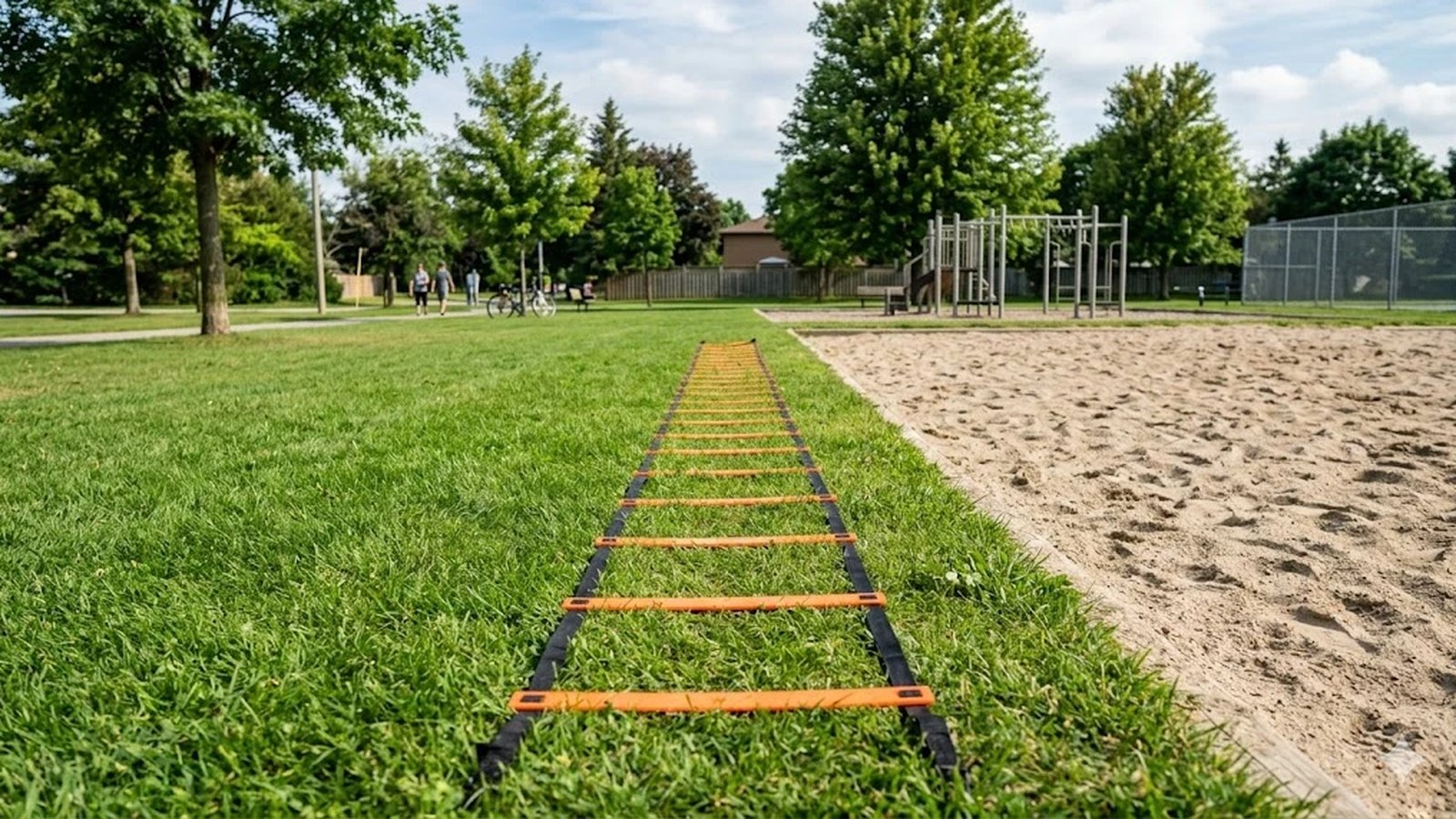
Navigating beach crowds: agility in real life
Why dodging through a busy beach is a real cognitive-motor stimulus, what the COD literature says about reactive-vs-planned agility, and the…
 Training & Exercise
Obstacle-course racing beach prep: sand, surf, and shoulder fatigue
How to use a beach as an OCR-specific training environment, the carry-and-crawl progressions that translate, and the heat-and-grip considera…
 Training & Exercise
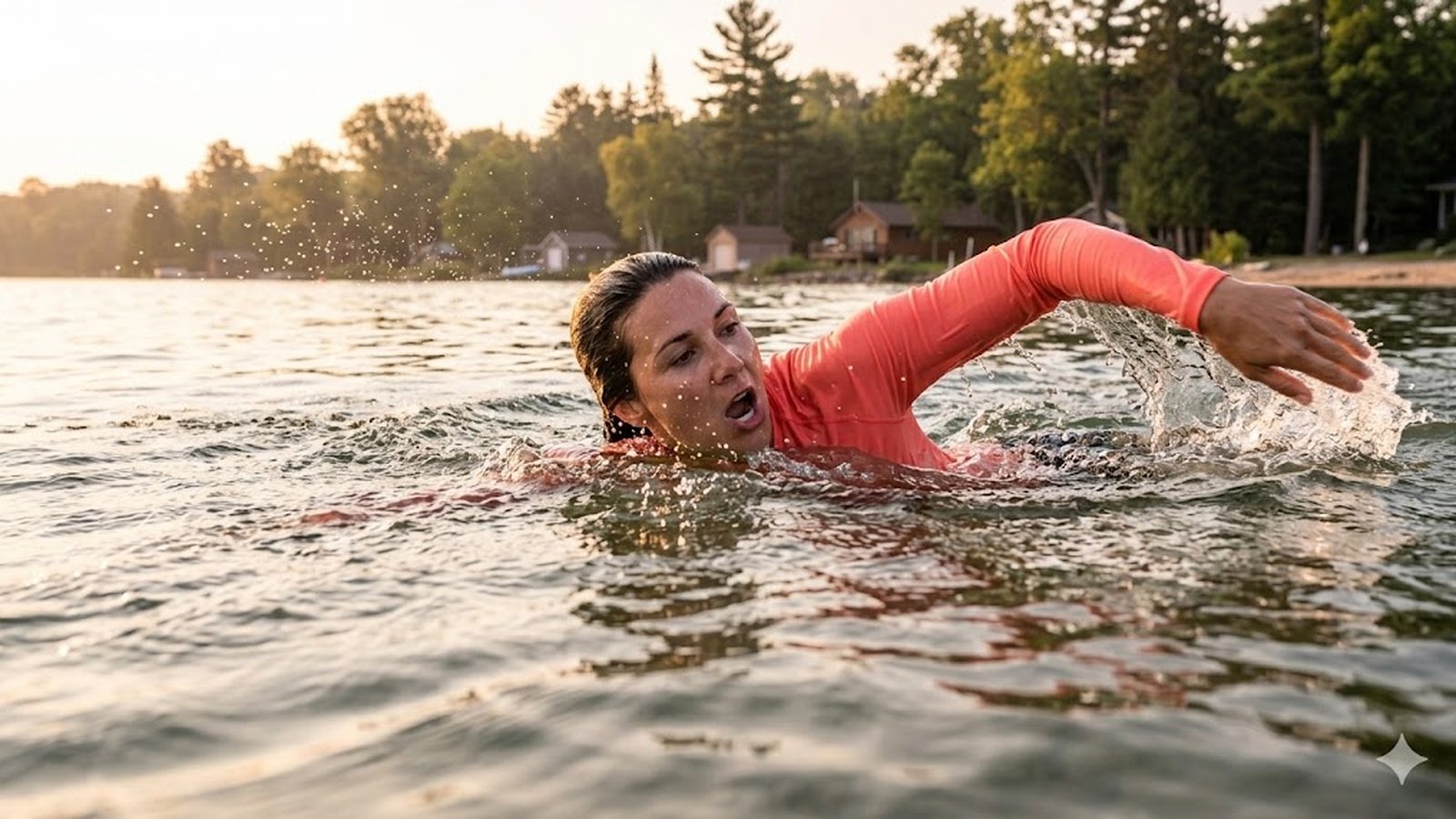
Open-water swimming: breath cadence and cold acclimation
Bilateral breathing reduces shoulder asymmetry; cadence training raises CO2 tolerance; cold acclimation cuts gasp-reflex amplitude in half. …
 Training & Exercise
Plyometrics on sand: what the impact data shows
Sand reduces landing impact 25-50% and cuts soreness, but trades stretch-reflex stimulus and surface specificity. The protocol that survives…
 Training & Exercise
Pulling a beach wagon: posterior-chain conditioning in plain sight
Why dragging a loaded beach wagon across sand engages the posterior chain like a sled drag, the energy-cost research, and the technique cues…
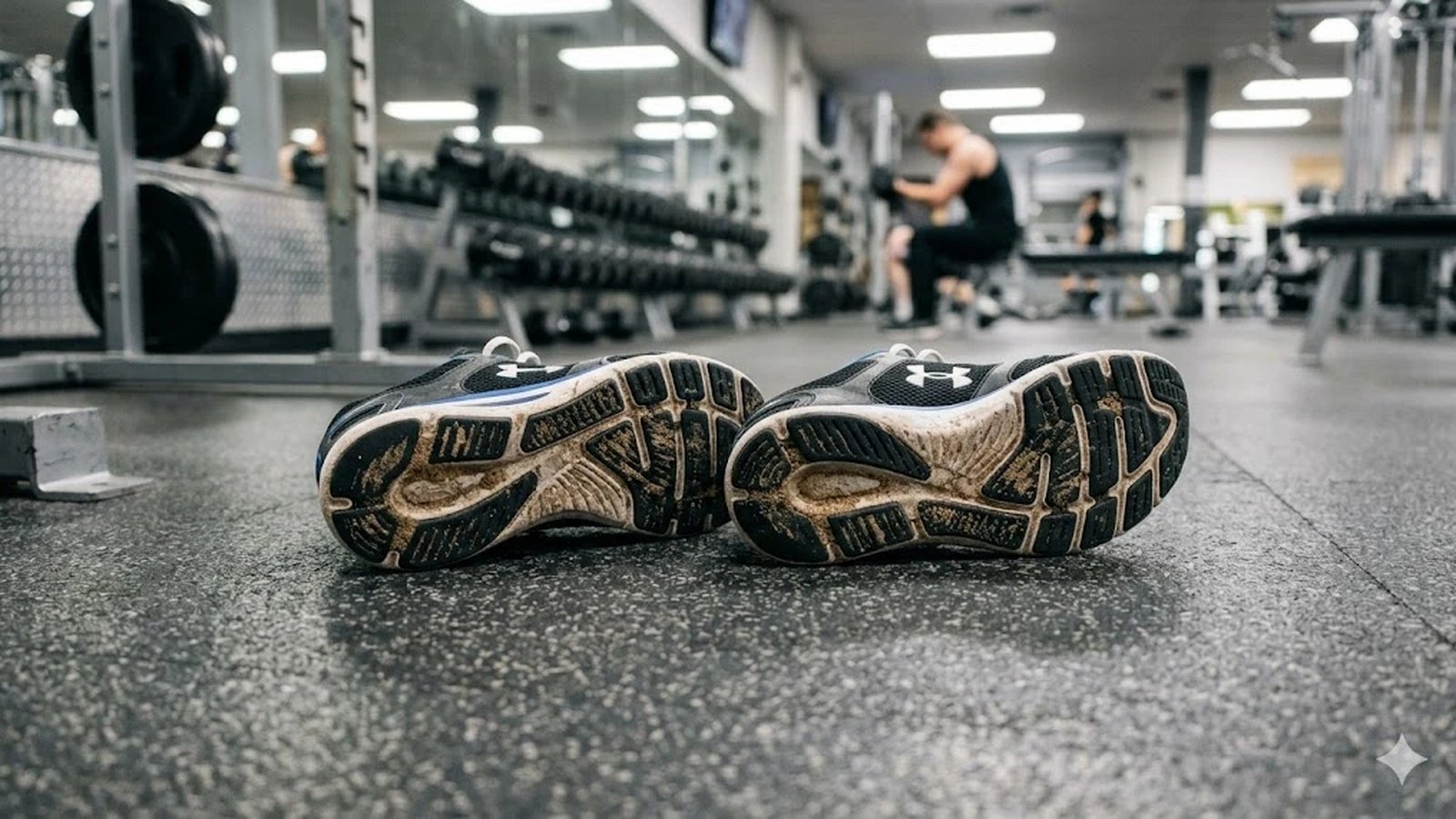 Training & Exercise
Resistance bands as the ultimate beach gym
Why bands match free-weight strength gains in trial data, the elastic-tension-curve advantage, and the sand-resistant material choices that …
 Training & Exercise
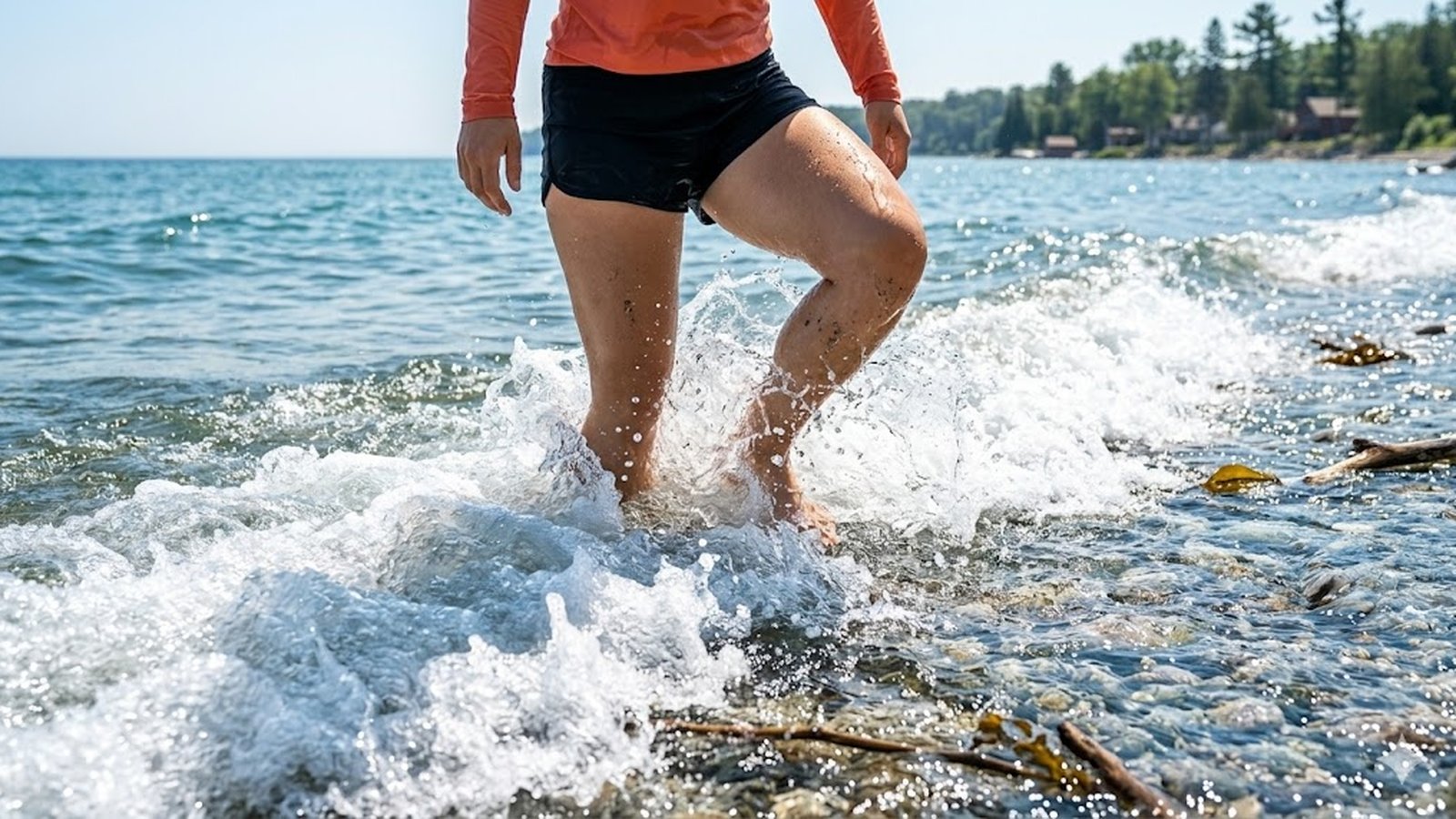
Resistance wading: shallow-water walking as conditioning
Walking through thigh-deep water at moderate flow is 2x harder than dry-land walking. The lateral hip recruitment is what most people don't …
 Training & Exercise
Rucking vs. Backpacking: Which Builds More Functional Fitness
Both involve carrying weight on your back. The peer-reviewed evidence shows they train very different things - from bone density and cardiov…
 Training & Exercise
SUP as a Hidden Core Workout
Stand-up paddleboarding looks like leisure. EMG and heart-rate data tell a different story: deep core stabilisers fire continuously, oblique…
 Training & Exercise
Sand-Dune Sprinting vs. Track Sprinting: The Ultimate Leg Day
Sand sprinting costs 1.6× the energy of track running and shifts the entire mechanical signature of the workout. Why dune sessions tra…
 Training & Exercise
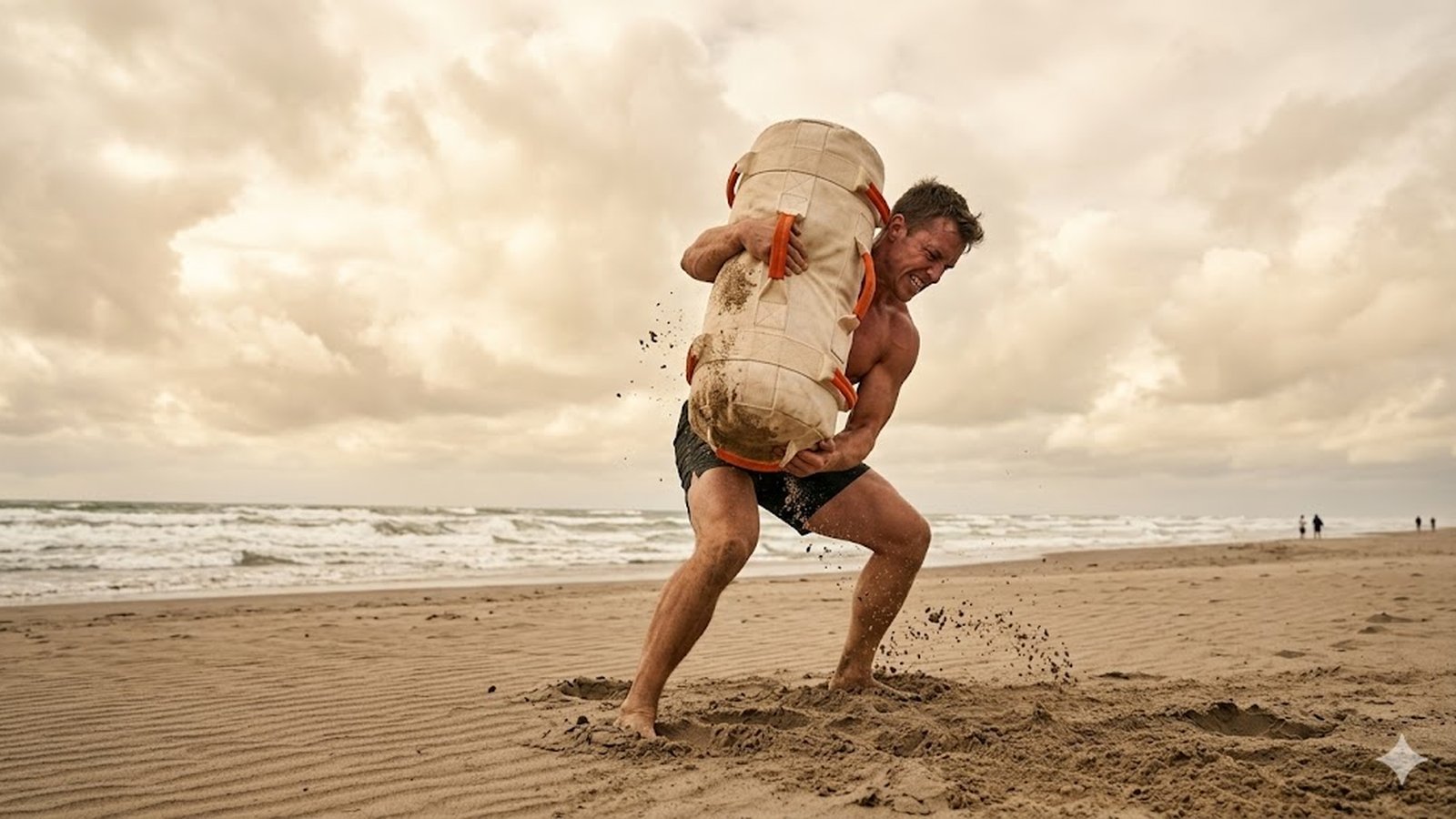
Sandbag training 101: what unstable-load research actually shows
Sandbags recruit core stabilizers harder than barbells but cannot replace them for raw strength. A peer-reviewed introduction.
 Training & Exercise
Snorkeling: what is and isn't trainable
Snorkeling improves respiratory-muscle endurance and CO2 tolerance, not the structural volume of healthy adult lungs. The gear, the dose, an…
 Training & Exercise
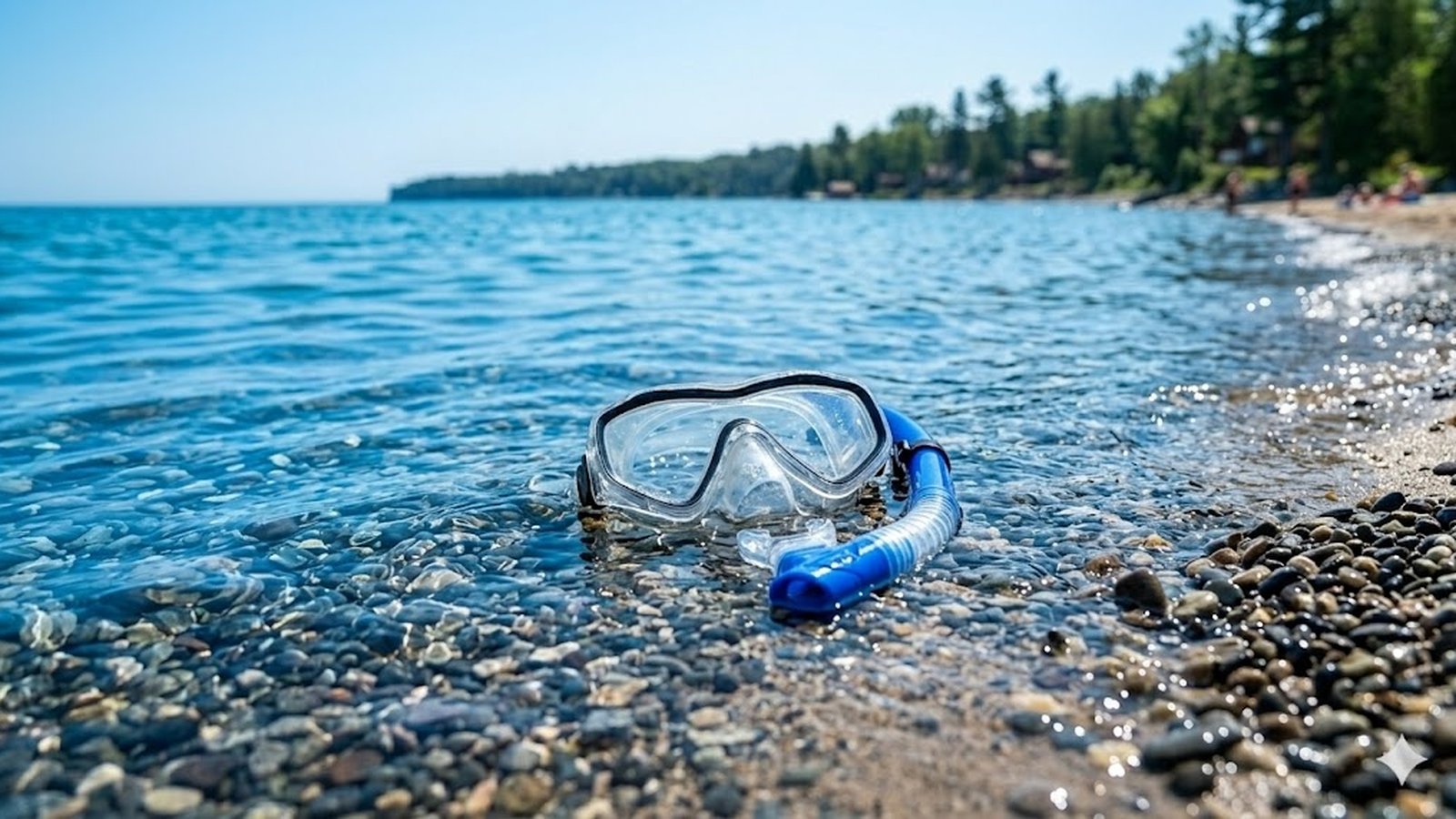
Snorkeling: what is and isn't trainable
Snorkeling improves respiratory-muscle endurance and CO2 tolerance, not the structural volume of healthy adult lungs. The gear, the dose, an…
 Training & Exercise
Snorkeling: what is and isn't trainable
Snorkeling improves respiratory-muscle endurance and CO2 tolerance, not the structural volume of healthy adult lungs. The gear, the dose, an…
 Training & Exercise
Snorkeling: what is and isn't trainable
Snorkeling improves respiratory-muscle endurance and CO2 tolerance, not the structural volume of healthy adult lungs. The gear, the dose, an…
 Training & Exercise
Stair Climbing vs. Incline Treadmill Walking: Which Actually Trains Your Heart Harder
Stair climbing is one of the most metabolically demanding activities most adults can perform without specialized equipment. Incline treadmil…
 Training & Exercise
Stairs as Cardio: Why the Boring Thing Works
Stair climbing has the highest energy expenditure per minute of any mainstream cardio activity. The evidence is consistent and the equipment…
 Training & Exercise
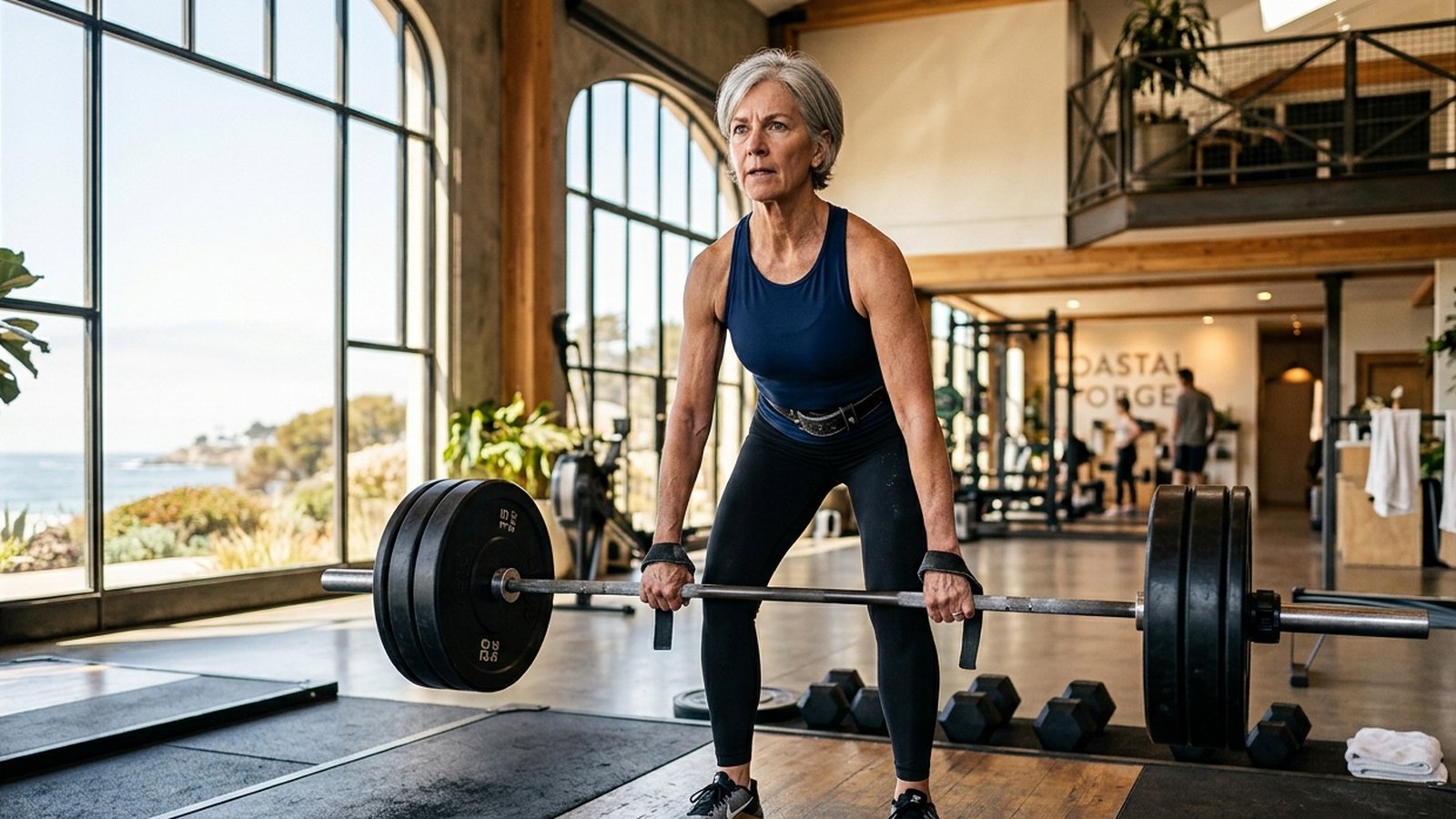
Strength Training Past 50: How Much, How Often, How Heavy
By age 30 most adults begin losing 0.5-1% of muscle and 1-3% of strength per year. By 70, untreated, that compounds into frailty. The peer-r…
 Training & Exercise
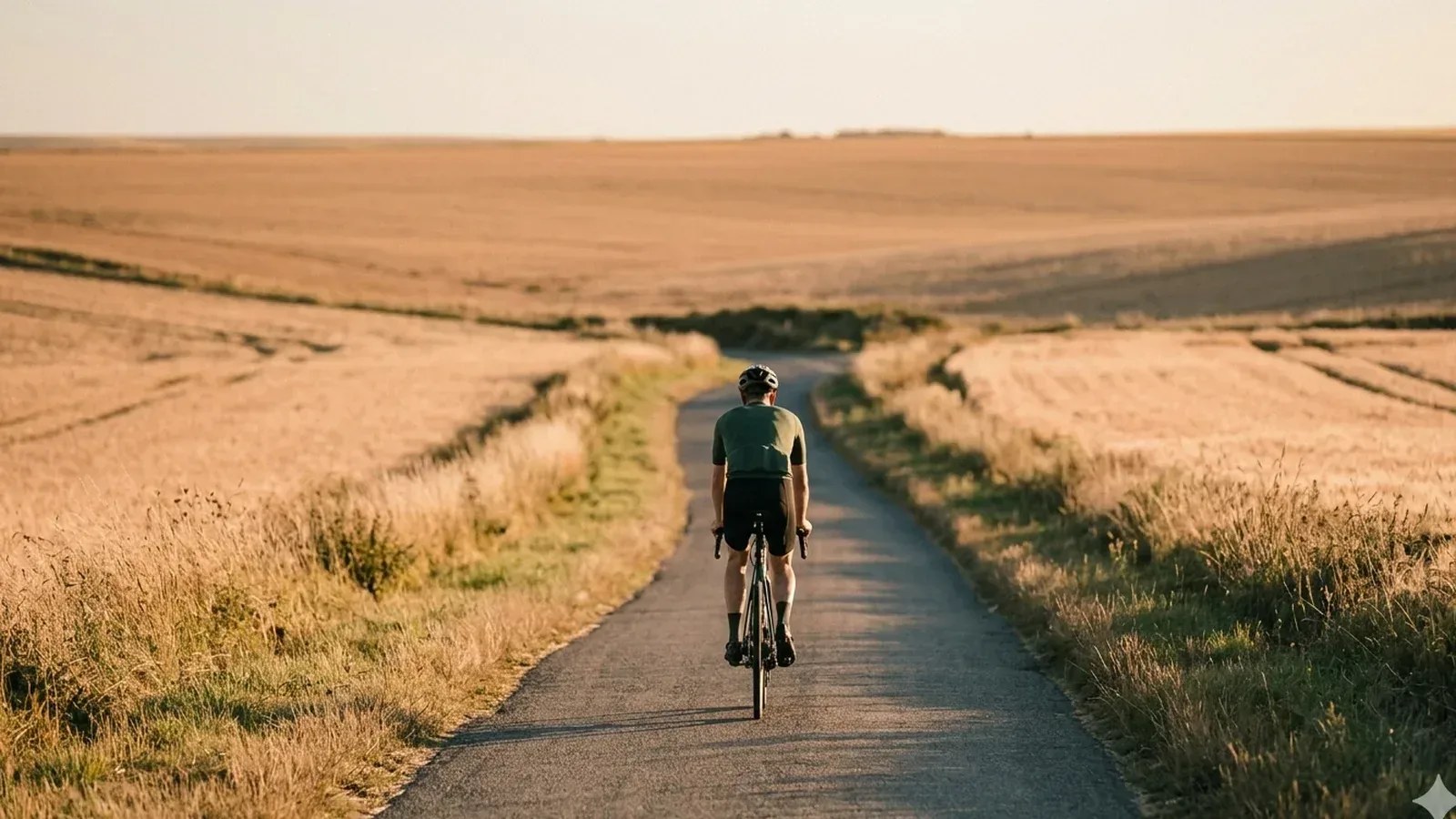
Strength Training for Older Adults: Fighting Sarcopenia
Lifting heavy after 65 is not optional — it is the most evidence-based intervention against frailty.
 Training & Exercise
Surfing balance: what dry-land training actually transfers
Balance-board work transfers to surf time; dry-land pop-up drills mostly don't. The motor-learning evidence is clear.
 Training & Exercise
The Calorie Burn of Fidgeting: Inside Non-Exercise Activity Thermogenesis
Mayo Clinic research shows two adults of identical size can differ by 2,000 calories a day in NEAT alone. Why the calories you burn outside …
 Training & Exercise
The Fitness Benefits of VR Gaming and Active Video Games
Beat Saber at advanced difficulty matches a 9-minute-mile jog for energy expenditure. The systematic reviews of exergaming consistently find…
 Training & Exercise
The Mechanics of a Perfect Kettlebell Swing
It is a hip hinge, not a squat. Done well, it produces glute activation rivaling maximal hip thrusts and VO2max gains rivaling treadmill HII…
 Training & Exercise
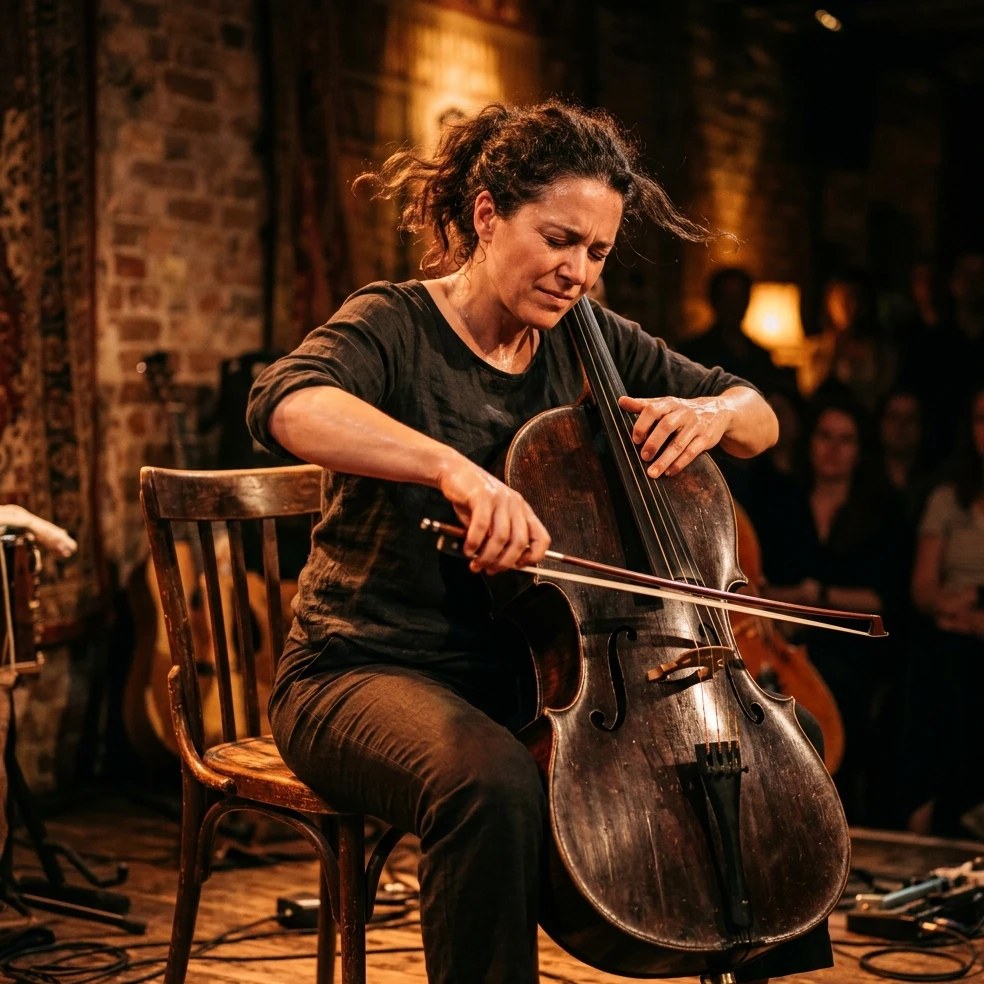
The Physical Demands and Calorie Burn of Playing Musical Instruments
Drumming hits 5-8 metabolic equivalents - equivalent to brisk cycling. Most other instruments stay in light-activity territory. What the cal…
 Training & Exercise
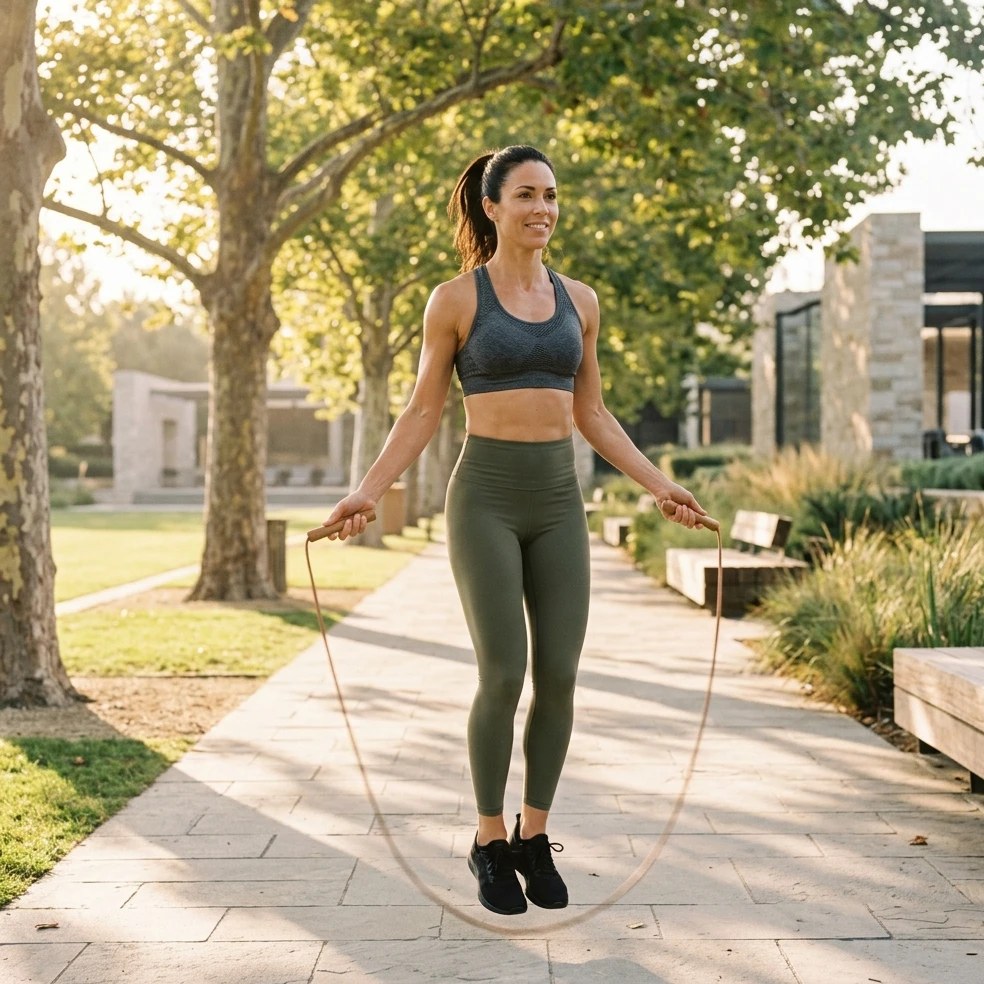
The Science of Skipping Rope for Adult Cardiovascular Health
Baker’s landmark 1968 RCT showed 10 minutes of rope skipping produced cardiovascular fitness equivalent to 30 minutes of jogging. The …
 Training & Exercise
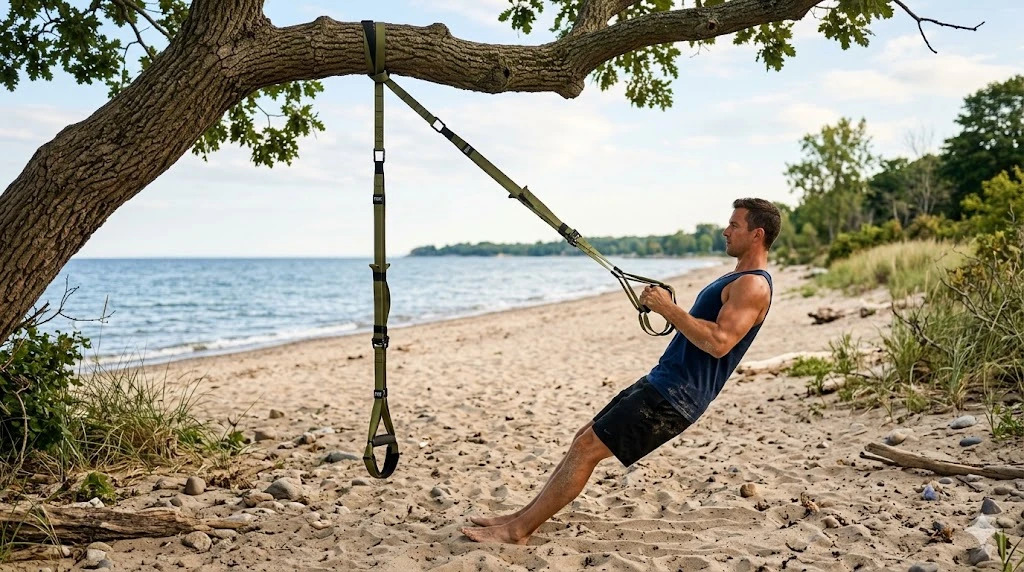
The beach biathlon: run-to-swim transitions and the conditioning case
Why short run-swim-run intervals make exceptional summer conditioning, the heat-and-fluid considerations, and a 30-minute beach protocol wit…
 Training & Exercise
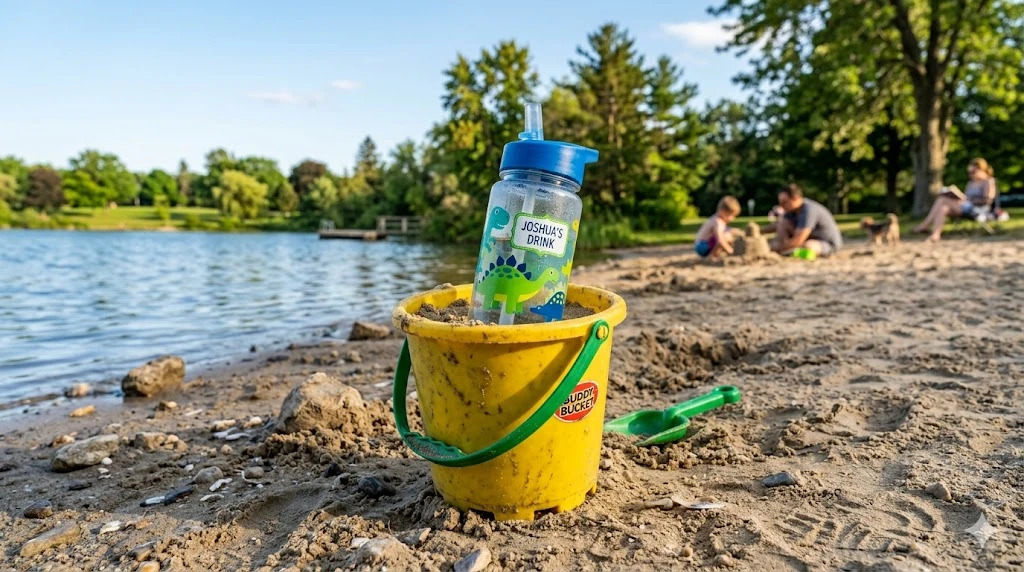
The biomechanics of beach volleyball: jumping on sand
Why sand volleyball produces different mechanics than indoor volleyball, the jump-and-landing energetics, and the injury-pattern data that s…
 Training & Exercise
The fitness of managing beach gear: load-carrying as functional training
Why hauling coolers, chairs, and umbrellas across sand is a real conditioning stimulus, the asymmetric-load research, and the technique cues…
 Training & Exercise
Transitioning your routine for summer travel
Why detraining starts within 7-10 days, the 'maintenance dose' research, and a 20-minute travel routine the literature genuinely supports.
 Training & Exercise
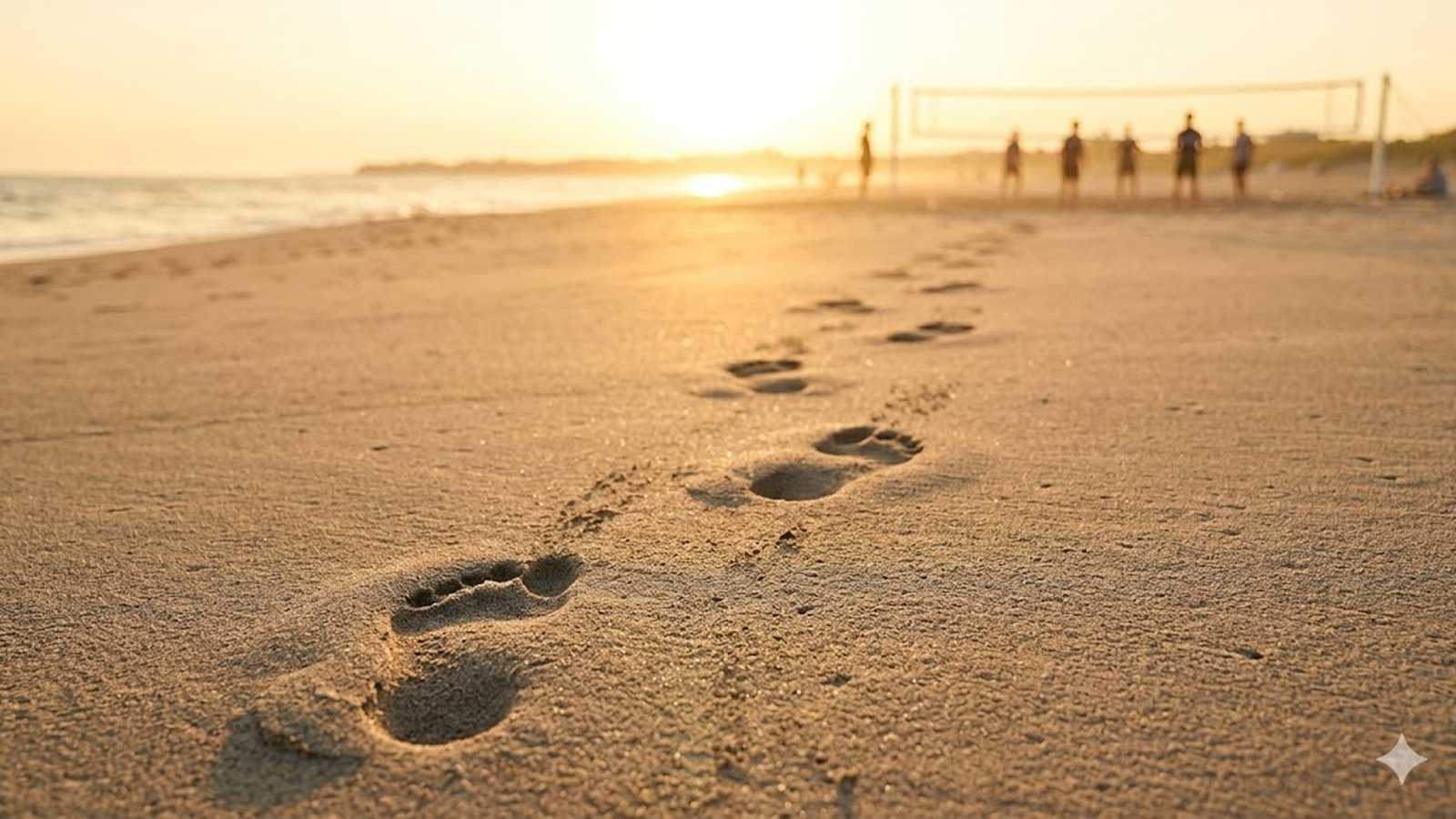
Walking for fat loss: hard sand vs soft sand
Soft sand multiplies metabolic cost by 2x at walking pace, but the bigger benefit is the lateral hip and ankle recruitment pavement can't de…
 Training & Exercise
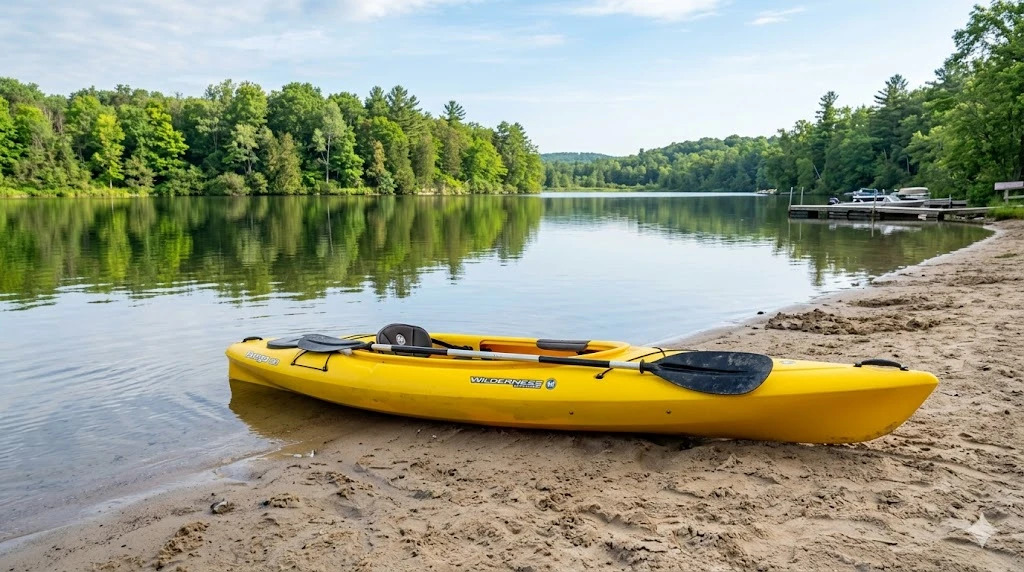
Walking poles on sand: the engineering, the upper-body recruitment, and when they help
Why poles change the energy distribution of beach walking, the gait studies that quantify the upper-body share, and the populations that ben…
 Training & Exercise
What 7,000 Steps a Day Really Does to Your Body
A evidence-based look at walking dose-response: how step counts from 4,000 to 12,000 a day affect mortality, dementia risk, cardiovascular h…
 Training & Exercise
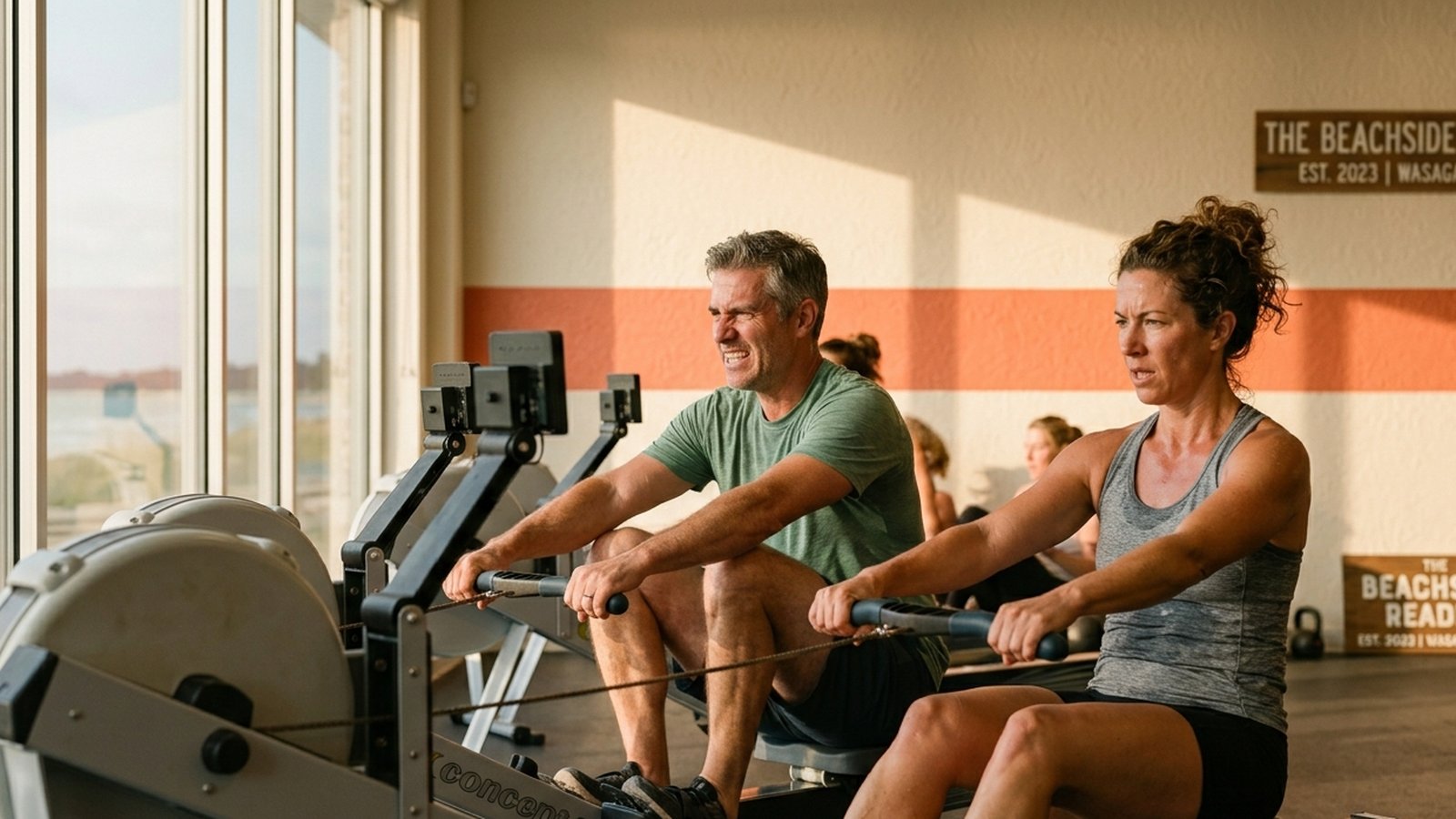
What Two Minutes of HIIT Does to Your Heart
Two decades of research from McMaster, the Tabata lab, and major cardiac-rehab trials show short, intense intervals match the cardiovascular…
Looking for something specific? Browse every article in the library →